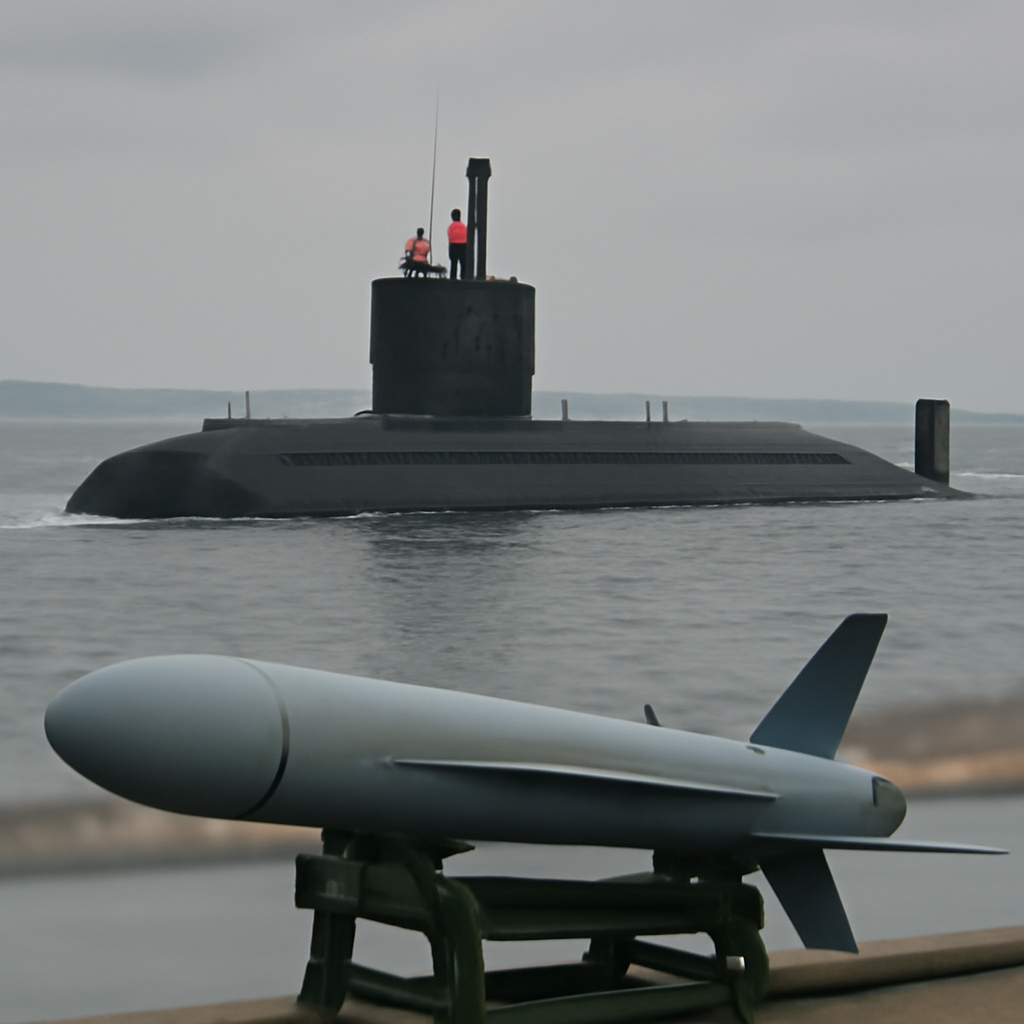
What does it mean for a nation to permit blanket access to its skies? A recent report in international media says a classified US defence document proposes exactly that: blanket access for US military aircraft through Indonesian airspace. The reporting warns this proposal risks compromising Indonesia’s sovereignty and national security, and argues that Indonesia should not accept such terms.
Background: a classified proposal in public view
International media this week reported the existence of a classified US defence document that, according to the reporting, proposes blanket access for US military aircraft through Indonesian airspace. The published reporting characterizes the proposal as creating significant risks to Indonesia’s sovereignty and national security.
Current situation: the concern at the center
The core concern presented in the reporting is straightforward: granting open, unconditional access to a foreign military’s aircraft would, the reporting says, risk compromising a nation’s sovereign control over its own airspace and create national-security vulnerabilities. The reporting concludes that Indonesia should not give such blanket access.

This site is the portfolio.
OSINTSights runs on Cloudflare Workers, D1, R2, and Vectorize, with an AI pipeline on Hetzner ARM. Nubivance designed, built, and operates it. We do the same for clients.
See what we buildWhy it matters: sovereignty, control and precedent
At its most basic level, control of national airspace is a sovereign function. The reporting frames the proposed arrangement as one that could dilute that control. Beyond the principle, the piece points to national security as the practical dimension at stake: a blanket access arrangement, the reporting warns, could create operational and strategic risks for Indonesia.
Perspective and choice
The reporting presents the matter as a choice for Indonesian decisionmakers: accept a classified proposal that would grant broad operating rights to a foreign military, or preserve tighter, conditional control over national airspace. The report’s position is emphatic — that Indonesia should not give blanket airspace access to the US — leaving the question of trade-offs and oversight for policymakers to settle.
How a country balances alliance considerations against the fundamentals of sovereignty and security is rarely straightforward. In this case, the reporting urges Jakarta to protect the latter.
https://www.aspistrategist.org.au/indonesia-shouldnt-give-blanket-airspace-access-to-the-us/