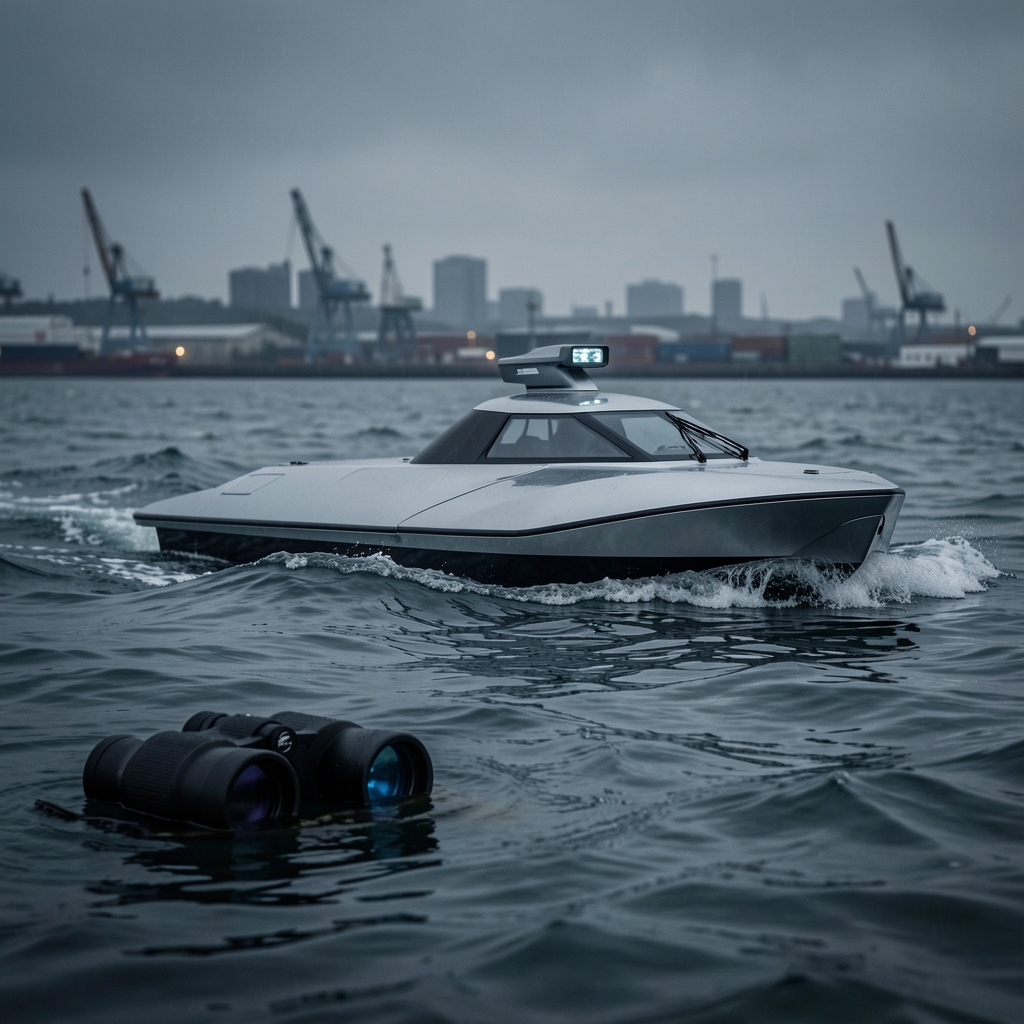
Who builds the ships that build ships — and who will decide how they are used? Two companies have taken a step toward answering that question, signing an agreement that could reshape how naval vessels are designed, built and deployed.
The deal in brief
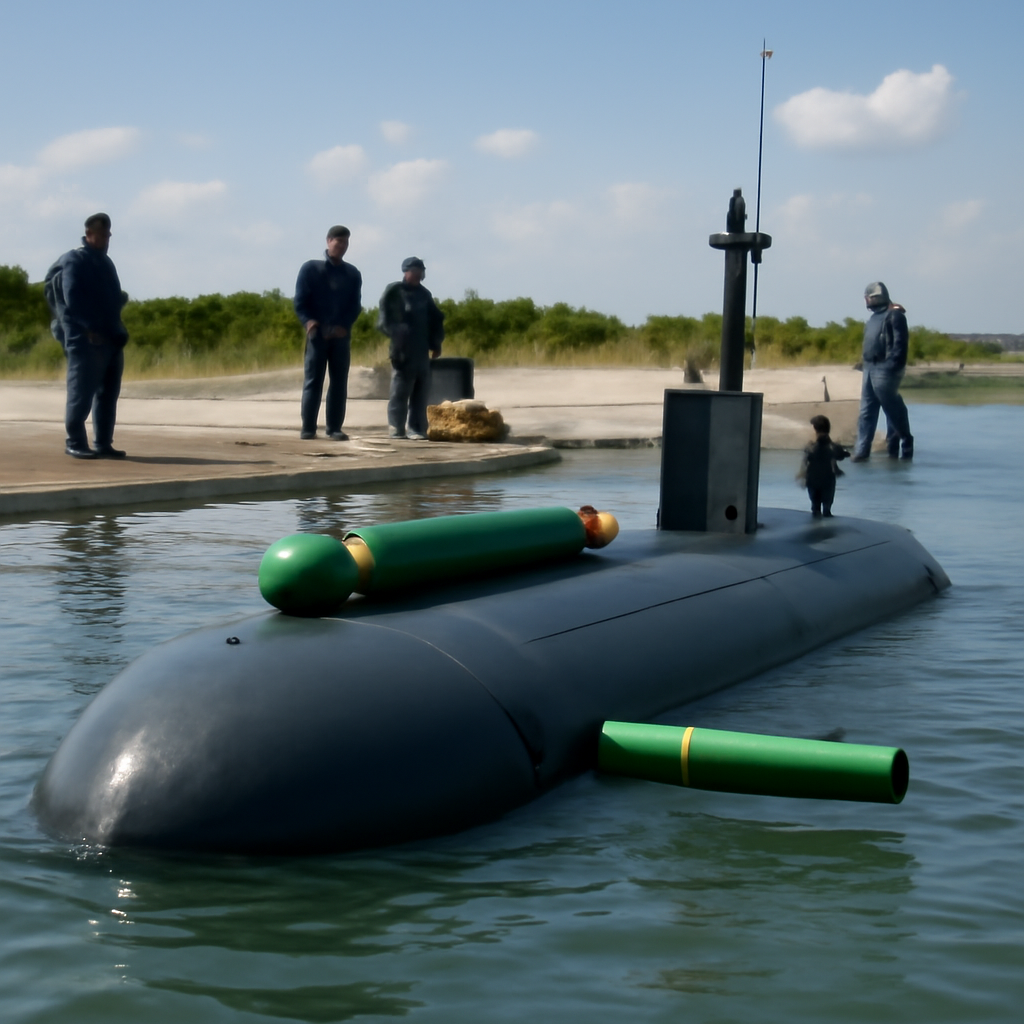
Hanwha and Magnet Defense are signing a Memorandum of Understanding (MOU) to work on crafting a 38‑meter MUSV and to partner on building MUSVs and robotic shipyards. The announcement frames the arrangement as a collaborative effort to develop an unmanned surface vessel of a specific length and to explore automated yard capabilities.
Context and immediate significance
At its core, the MOU commits two industrial players to a targeted design effort: a 38‑meter MUSV. That single specification — a vessel of fixed length — signals an intent to move beyond conceptual studies into concrete engineering choices. The joint work on robotic shipyards further indicates an interest not only in the vessels themselves but in automated means of producing, maintaining, and possibly reconfiguring them.

This site is the portfolio.
OSINTSights runs on Cloudflare Workers, D1, R2, and Vectorize, with an AI pipeline on Hetzner ARM. Nubivance designed, built, and operates it. We do the same for clients.
See what we buildWhy it matters
- Industrial innovation: Combining vessel development with robotic shipyard concepts suggests a push to couple platform design and production methods, potentially shortening build cycles and lowering labor intensity.
- Operational flexibility: A dedicated development effort around a 38‑meter MUSV implies a platform designed for specific missions or roles, and pursuing production automation could affect fleet sustainment and surge capacity.
- Regulatory and governance questions: As companies move toward autonomous platforms and automated yards, regulators and policymakers will face questions about safety standards, export controls, and oversight of novel production techniques.
- Competitive signaling: Partnerships that integrate design and manufacturing may prompt competitors — whether other firms, navies, or states — to reassess procurement, doctrine, and industrial investments.
Different lenses on the partnership
Technologists will likely view the MOU as an engineering challenge: marrying vessel design to manufacturing automation. Policymakers will see a chain of questions about certification, industrial policy, and the norms that should govern unmanned systems and automated shipyards. Operators and end users may weigh the tradeoffs between new capabilities and the risks introduced by novel platforms and production methods. Adversaries, observing partnerships that combine hardware and automated production, will have to consider how such developments alter timelines for deployment and how they affect strategic calculations.
Looking ahead
The MOU between Hanwha and Magnet Defense marks a defined step: an agreement to work on a 38‑meter MUSV and on robotic shipyard concepts. What remains to be seen is how far that collaboration will go — from prototype to production, from technical feasibility to operational adoption — and how quickly regulators and end users will adapt. If the tools that build ships become increasingly automated, who sets the rules for those tools?