Comprehensive Analysis of the Necessity of 300K MEMS IMUs in Global Defense Systems
Introduction
In recent years, military operations have undergone a transformative shift, driven by advancements in intelligence, surveillance, and reconnaissance (ISR) technologies. The integration of low-range effectors has further altered traditional paradigms regarding standoff distances and the operational use of modern weapons systems. This analysis explores the critical role of Micro-Electro-Mechanical Systems (MEMS) Inertial Measurement Units (IMUs) in enhancing the capabilities of global defense systems, emphasizing the necessity for 300,000 units across various military applications.
The Evolution of Military Operations
The battlefield landscape has evolved significantly, influenced by technological advancements that have redefined engagement strategies. Historically, military operations relied heavily on conventional warfare tactics, which emphasized direct confrontations and long-range artillery. However, the advent of ISR technologies has enabled forces to gather real-time intelligence, allowing for more precise targeting and reduced collateral damage.
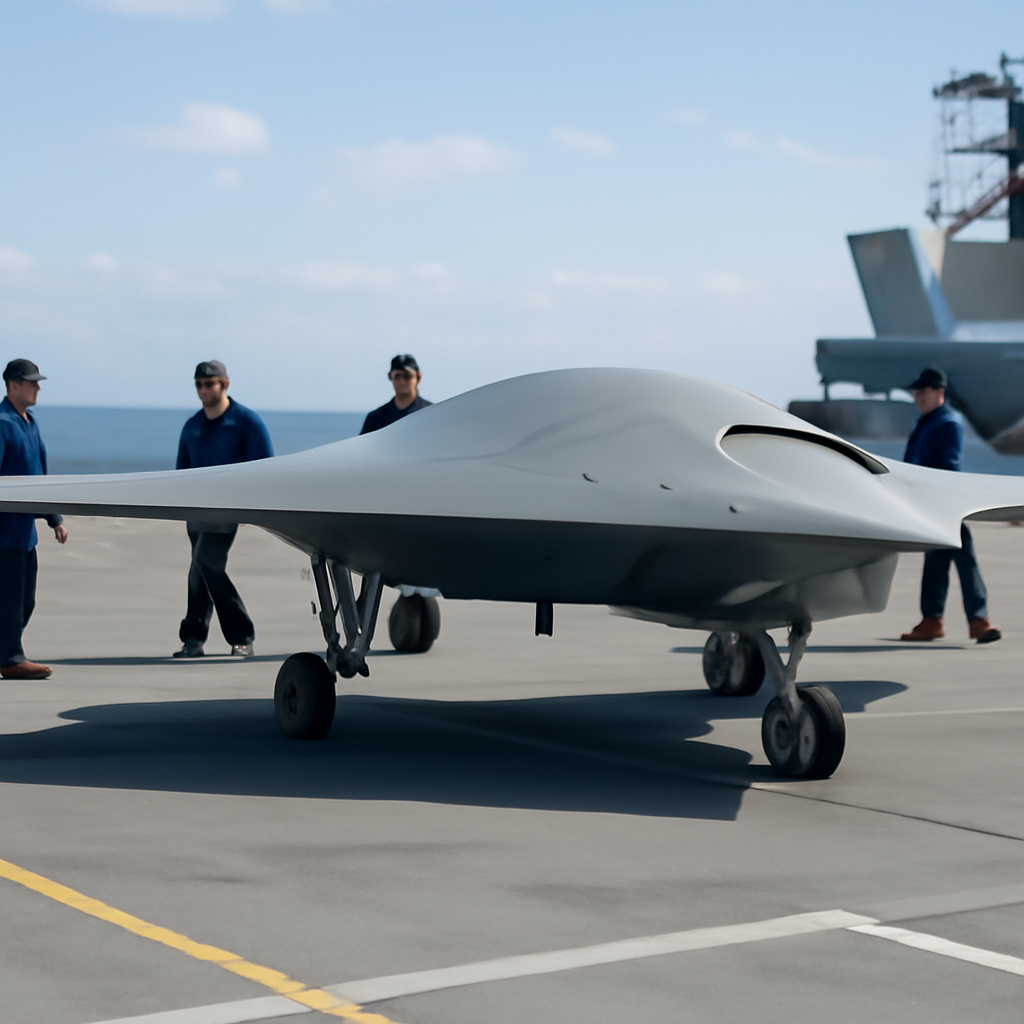
For instance, during recent conflicts, the use of drones equipped with advanced ISR capabilities has allowed military forces to conduct operations with unprecedented accuracy. This shift has necessitated the integration of sophisticated guidance systems, such as MEMS IMUs, to enhance the precision of various weapon systems.
Understanding MEMS IMUs
MEMS IMUs are compact devices that measure and report a body’s specific force, angular rate, and magnetic field surrounding the body. These sensors are crucial for navigation and control in various applications, including aerospace, automotive, and military systems. The technology behind MEMS IMUs has advanced significantly, leading to smaller, lighter, and more cost-effective units that can be integrated into a wide range of military platforms.
Key features of MEMS IMUs include:
- High Precision: MEMS IMUs provide accurate measurements essential for navigation and targeting.
- Compact Size: Their small form factor allows for integration into various platforms, including missiles, drones, and ground vehicles.
- Cost-Effectiveness: Advances in manufacturing have reduced costs, making them accessible for widespread military use.
Strategic Importance of 300K MEMS IMUs
The requirement for 300,000 MEMS IMUs across global defense systems stems from several strategic considerations:
- Enhanced Targeting Capabilities: The integration of MEMS IMUs into weapon systems allows for improved accuracy in targeting, reducing the risk of collateral damage and increasing mission success rates.
- Operational Flexibility: With the ability to deploy various platforms equipped with MEMS IMUs, military forces can adapt to diverse operational environments and scenarios.
- Increased Autonomy: MEMS IMUs enable autonomous navigation for unmanned systems, allowing for operations in contested environments where human operators may be at risk.
Economic and Military Implications
The economic implications of adopting MEMS IMUs in military applications are significant. The defense sector is increasingly focused on cost-effective solutions that enhance operational capabilities without exorbitant expenditures. The mass production of MEMS IMUs can lead to economies of scale, reducing costs for military procurement.
Moreover, the military applications of MEMS IMUs extend beyond traditional weapon systems. They are also critical in logistics, reconnaissance, and surveillance operations, contributing to a more integrated and efficient military framework. The ability to track assets and personnel accurately can lead to improved resource allocation and mission planning.
Technological Advancements and Future Trends
The future of MEMS IMUs in defense systems is promising, with ongoing research and development aimed at enhancing their capabilities. Emerging trends include:
- Integration with AI: The combination of MEMS IMUs with artificial intelligence can lead to smarter navigation systems that adapt to changing environments and threats.
- Improved Sensor Fusion: Advances in sensor fusion techniques will enhance the accuracy and reliability of MEMS IMUs, making them even more effective in complex operational scenarios.
- Miniaturization: Continued miniaturization of MEMS technology will enable even smaller and lighter units, expanding their applicability across various platforms.
Security Implications
The widespread adoption of MEMS IMUs in military applications raises several security considerations. As these technologies become more integrated into defense systems, the potential for cyber threats increases. Ensuring the integrity and security of data collected by MEMS IMUs is paramount, as adversaries may seek to exploit vulnerabilities in these systems.
Furthermore, the proliferation of MEMS IMUs across global defense systems could lead to an arms race in precision-guided munitions, prompting nations to invest heavily in countermeasures and advanced technologies to maintain strategic advantages.
Conclusion
The necessity of 300,000 MEMS IMUs in global defense systems is underscored by their critical role in enhancing military capabilities, operational flexibility, and economic efficiency. As military operations continue to evolve in response to technological advancements, the integration of MEMS IMUs will be essential for maintaining strategic advantages on the battlefield. The implications of this technology extend beyond military applications, influencing economic trends and security considerations in the global defense landscape.