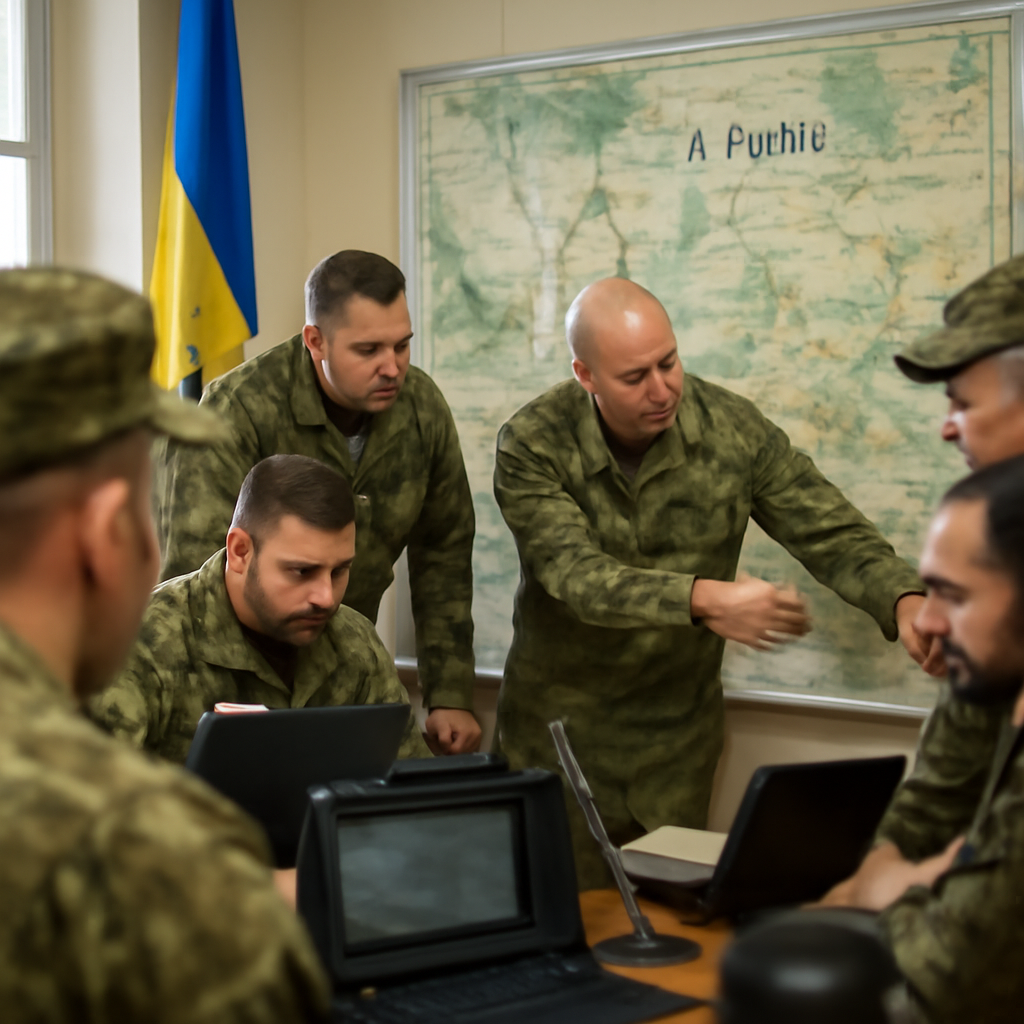
In 2024, the Australian Department of Defence ended its procurement of a single-orbit, GEO-based SATCOM system after determining that accelerating space technologies and evolving threats meant the approach no longer met its strategic priorities.
Australia’s pivot to multi-orbit resilience
That cancellation was not a curiosity but a signal. Australia’s decision—followed by the 2026 Integrated Investment Program identifying a resilient and secure multi-orbit communications system as an investment priority—frames a clear shift: resilience is being recast as architectural choice, not simply redundancy of the same path. Where a single geostationary link once sufficed, Canberra now prioritizes capability across orbital regimes to keep missions connected as conditions change.
France’s hybrid model: NEXUS and CENTAURE (2025–June 2026)
France pursued a different, complementary route. In 2025 it launched the NEXUS program to pair its sovereign SYRACUSE GEO satellites with low Earth orbit capabilities from Eutelsat’s OneWeb constellation. In June 2026 France signed the CENTAURE contract, giving French forces priority access to OneWeb LEO capacity and beginning the process of securing and integrating those commercial services into military communications. The French approach illustrates a hybrid model: sovereign capability plus commercial LEO, intended to expand resilient, secure connectivity.

Audit-ready is a season. It shouldn't be.
Evidence in spreadsheets, controls drifting between audits, frameworks multiplying on flat headcount. Nubivance runs continuous compliance on Rapid7 Cyber GRC - SOC 2, HIPAA, ISO 27001, PCI, CMMC.
End the scrambleSoftware-defined modems: the iDirect Government 450 SDM example
One practical enabler the source highlights is software-defined technology. Moving functionality into software creates flexibility to accommodate new waveforms, networks, and mission requirements without rebuilding physical platforms. The 450 software-defined modem (SDM) from iDirect Government is cited as an example: configurable hardware with software-defined capabilities and third‑party waveform support. Such platforms do not make hardware irrelevant, the article notes; they create a buffer between long-lived physical systems and changing mission demands.
Intuition, cloud-native ground systems, and orchestration
Constellations and satellites capture attention, but the piece stresses that the ground segment must not be an afterthought. Cloud-native, modular ground systems—represented in the article by products such as Intuition—are presented as the orchestration layer that makes multi-orbit, multi-network communications practical. When ground systems are standards-based, modular, and adaptable they can integrate different networks, services, and access technologies, turning a menu of connectivity options into usable alternatives for missions in shifting environments.
What this means for technologists, procurement leaders, and military planners
- Technologists and security teams: invest in software-defined waveforms, modular interfaces, and the ability to support third-party capabilities on platforms such as the 450 SDM; plan for rigorous interoperability testing even as software raises adaptability.
- Procurement leaders: evaluate not only current capability requirements but which components will change over a platform’s life, and favor architectures that allow hardware refreshes and software upgrades without wholesale redesign.
- Military communications planners: treat resilience as the ability to change how systems operate—if a network or waveform becomes unusable, the architecture must permit switching to alternate orbits, networks, or services such as those France is integrating through CENTAURE.
The through-line is straightforward: planners can no longer assume a single-path SATCOM acquisition will remain fit for purpose years into operation. Instead, the article argues, acquisitions should bake in adaptability—open interfaces, cloud-native ground orchestration, and software-defined elements—so platforms can absorb new waveforms, commercial services, and mission needs as they appear. As the source puts it, "The goal is not to predict exactly what the future of space communications will look like. It is to build the flexibility to adapt when it arrives."