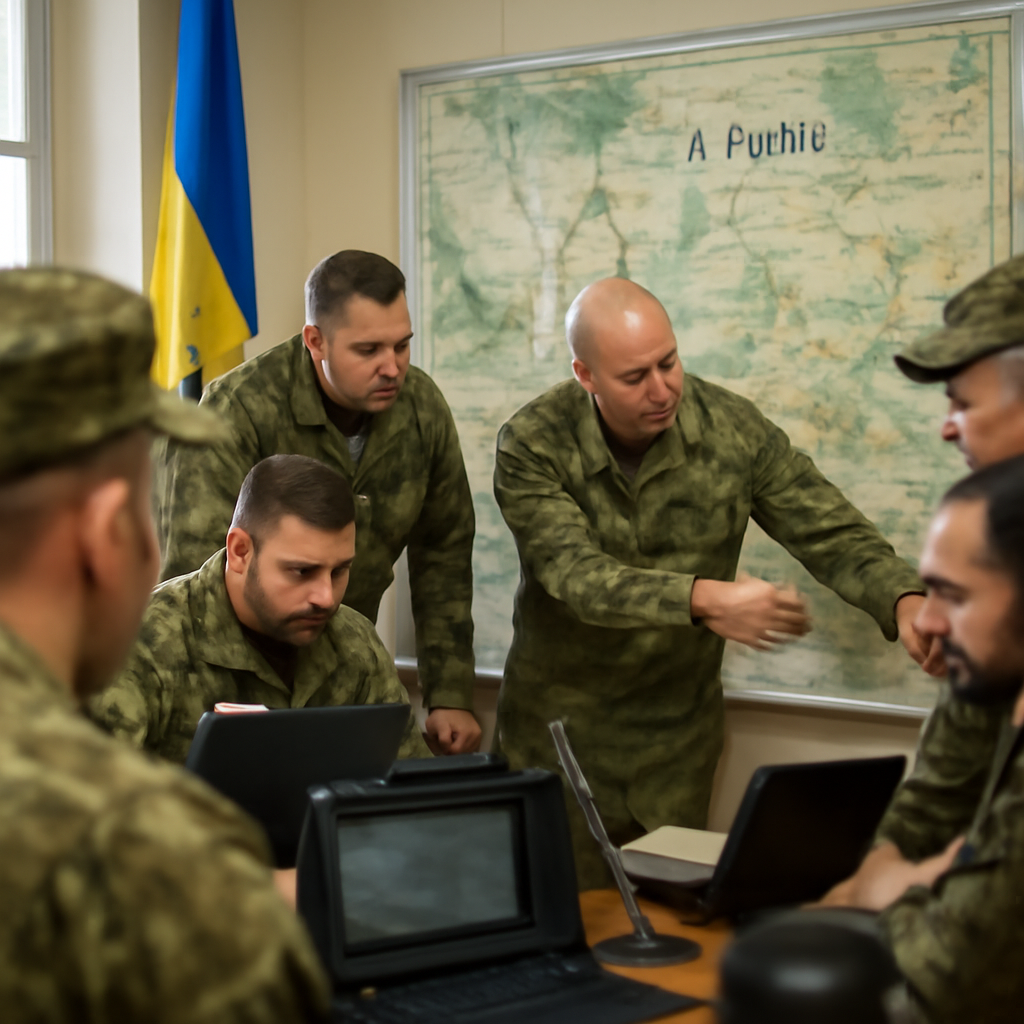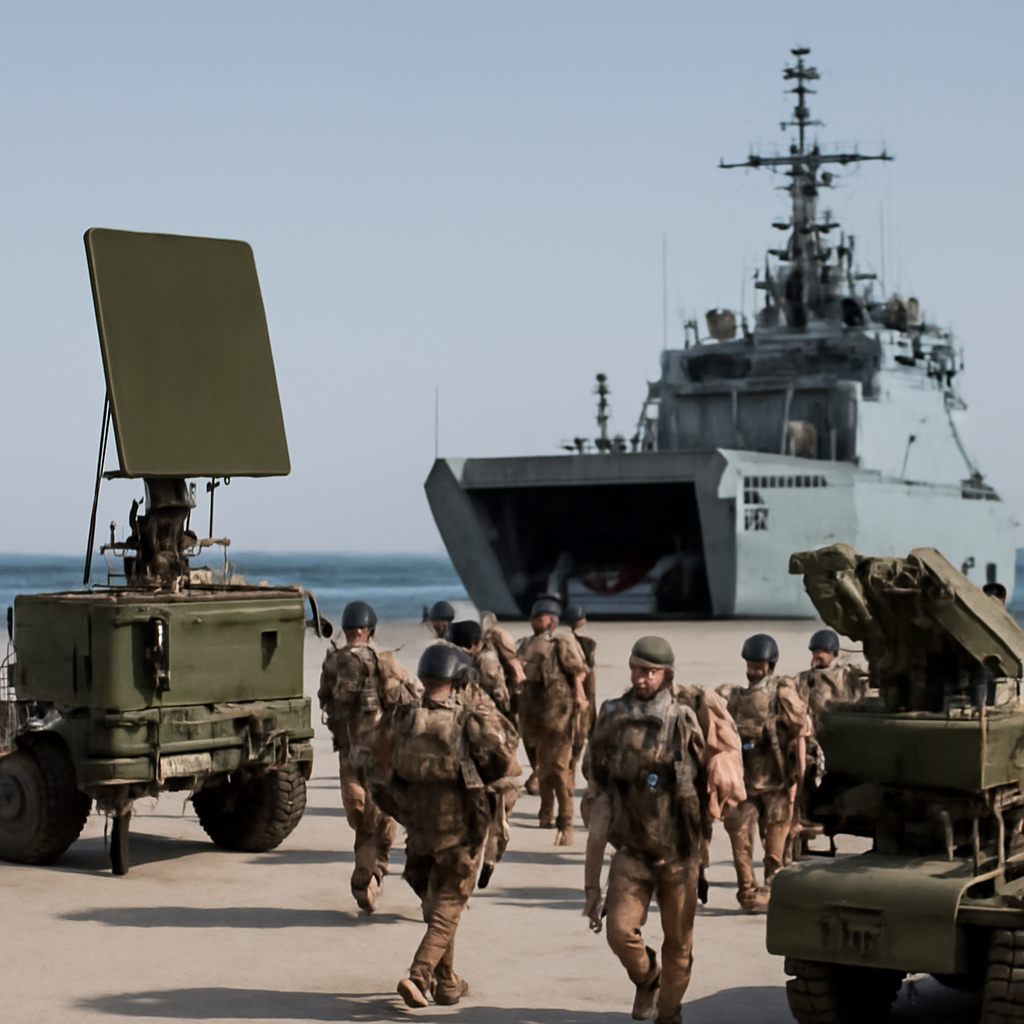
“We are going to send military resources, that is to say, soldiers, radar systems and defense systems, to protect this site — not to get us involved in any conflicts, but to protect this site,” French President Emmanuel Macron said in a live television interview Thursday night, announcing a deployment to guard Saudi Arabia’s Yanbu energy hub.
Macron’s announcement: scope, purpose, and limits
President Macron said France will deploy an unspecified number of troops and equipment to Saudi Arabia to protect the Yanbu oil facilities on the Red Sea. He framed the move explicitly as defensive — “not to get us involved in any conflicts, but to protect this site” — and said the deployment responds to the risk that attacks could choke a vital oil lifeline. Macron did not provide details on the exact equipment, the number of personnel, arrival dates, or rules for responding to casualties or damage to French forces and materiel. TWZ said it had reached out to the French Embassy for further details.
Yanbu, the East‑West pipeline, and the stakes for oil flows
The source describes Yanbu as a key installation because Saudi Arabia has redirected millions of barrels per day through pipelines to the Red Sea port in order to minimize shortages caused by fighting around the Persian Gulf. Iranian-backed strikes have previously damaged the East‑West pipeline that feeds Yanbu; satellite imagery in the report shows the pipeline after it was damaged, and the pipeline reportedly reopened after being shut down following a long‑range drone attack. The article stresses the consequence: if Red Sea export nodes or the pipeline were disabled for months while the Strait of Hormuz remained largely closed, Europe’s remaining major oil lifeline from the region could be cut off — a scenario the report calls a “nightmare.”

Audit-ready is a season. It shouldn't be.
Evidence in spreadsheets, controls drifting between audits, frameworks multiplying on flat headcount. Nubivance runs continuous compliance on Rapid7 Cyber GRC - SOC 2, HIPAA, ISO 27001, PCI, CMMC.
End the scrambleRecent Houthi claims and reported strikes
The Houthis claimed two further waves of attacks on Saudi targets before Macron’s announcement, including a strike on the Saudi Aramco facility in Yanbu “using a number of ballistic and cruise missiles, as well as drones,” and said they hit Riyadh; there was no immediate Saudi confirmation of an attack on the capital, and Saudi civil defense did not issue an emergency alert for Riyadh on Thursday. Earlier the same day the Houthis said they struck sites in Jizan. The Saudi‑led coalition said it had shot down six ballistic missiles fired by the Iran‑backed Houthi militia, and Maj. Gen. Turki al‑Maliki, a coalition spokesman, claimed the missiles were aimed at Taif and Yanbu. The report notes TWZ could not independently verify the competing claims.
Regional escalation and allied responses: the U.K., the U.S., Pakistan and Turkey
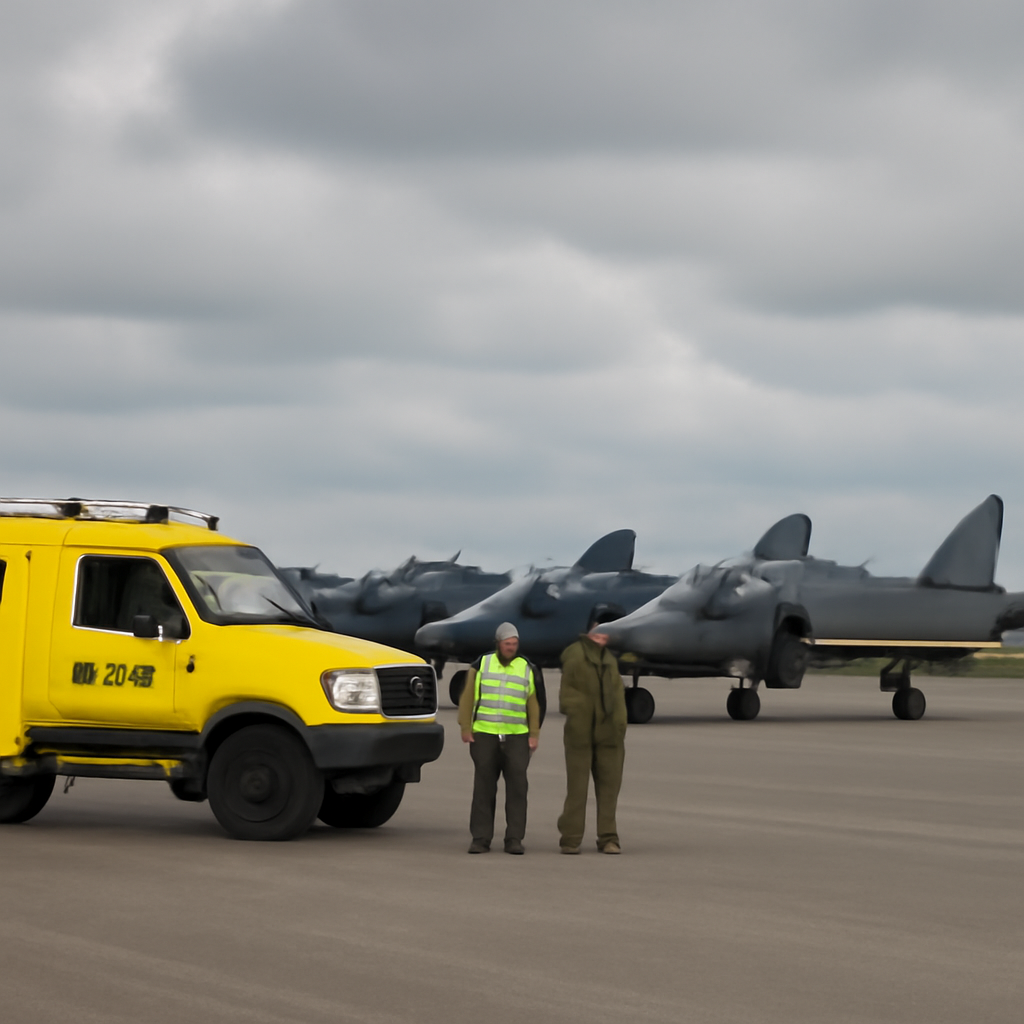
The French deployment follows a contemporaneous move by the United Kingdom’s Royal Air Force to send one of its Voyager aerial refueling jets to help Saudi Arabia defend against Houthi attacks. The U.K. Defense Ministry said the deployment reflects national interests tied to energy prices and supply; the jet will operate from a U.K. air base in Cyprus and was expected to begin air‑to‑air refueling operations “in the coming days,” the BBC reported. By contrast, the report says the United States and other nations have chosen not to become militarily involved in the Saudi‑Houthi fight. It adds that U.S. President Donald Trump recently turned down a direct Saudi plea to attack the Houthis, and that Pakistan and Turkey — both signatories to the Mecca Joint Defense Agreement with Saudi Arabia — have yet to provide direct military aid.
What this means for France, Saudi Arabia, and European energy security
- France: The deployment signals direct French military involvement to defend a foreign energy hub; Macron emphasized diplomatic efforts — meetings with leaders in Saudi Arabia, Iraq and Nigeria — and said France had replenished gas and oil stocks to maintain supply volumes, according to France 24.
- Saudi Arabia: France’s and the U.K.’s protective measures aim to keep Yanbu and other Red Sea nodes operational while Saudi forces continue to counter strikes and blockades that have targeted shipping and terminals.
- European energy security: The report connects the deployments to concern about disruptions to oil flowing to Europe, noting Brent crude rose to nearly $107 per barrel by Thursday evening Eastern time, after falling below $100 just two days earlier, and stressing the strategic risk if both the Strait of Hormuz and Red Sea export routes were simultaneously impaired.
The French decision to send soldiers, radars and unspecified defense systems to Yanbu brings Western militaries closer to protecting energy infrastructure in the Red Sea — a move the source frames as narrowly defensive but leaves unresolved several practical and legal questions the French president declined to answer on air. Whether the deployments will deter further Houthi or proxy strikes, or instead widen the number of external forces directly involved around Yemen’s maritime approaches, is an immediate and tangible question rooted in the facts reported: the missile and drone threat to Yanbu, the prior damage to the East‑West pipeline, rising oil prices, and public warnings by regional actors about opening “a new front” by targeting energy supplies in the Red Sea.
Original report: https://www.twz.com/news-features/france-sending-forces-to-help-defend-saudi-arabias-red-sea-oil-facilities