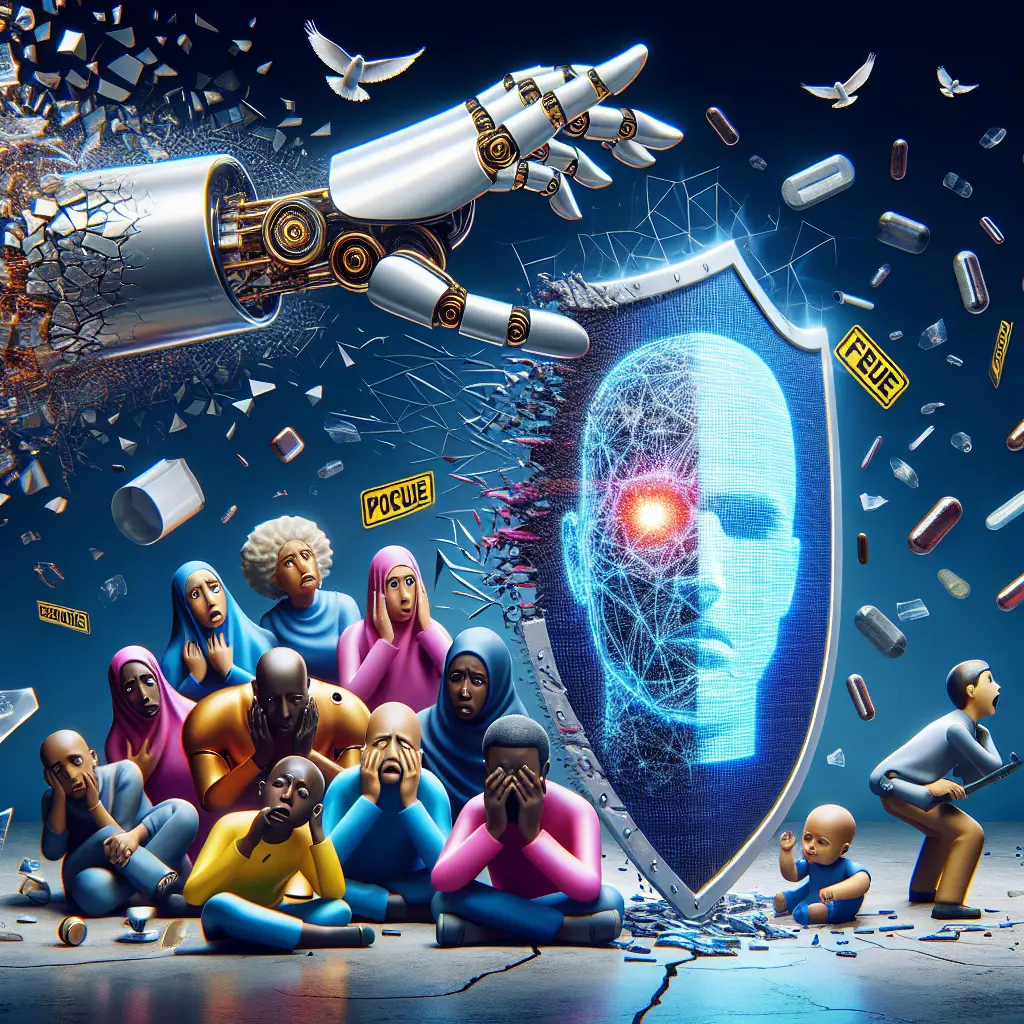
Trust at Risk: The Erosion of Public Confidence in AI and Its Implications for National Security
As artificial intelligence continues to integrate into every facet of modern life, from healthcare to national security, a troubling sentiment is emerging among the public: a growing distrust of the very technology meant to enhance our capabilities. Recent surveys reveal that nearly two-thirds of Americans express concerns over the potential risks of AI, particularly its implications for privacy, job displacement, and decision-making autonomy. In an age when trust in technology is paramount, one must ponder: could the burgeoning partnership between AI firms and government entities be the remedy needed to restore public faith?
The roots of this skepticism can be traced back several years, as high-profile missteps—such as biased algorithms in hiring tools and data breaches involving sensitive personal information—eroded confidence in tech’s promise. Furthermore, incidents like autonomous vehicle accidents and the unsettling rise of deepfake technology have contributed to a narrative steeped in fear rather than optimism. The portrayal of AI in popular media often exacerbates this anxiety; dystopian narratives abound that forecast an unchecked technological takeover.
Currently, AI firms are increasingly seeking collaborations with federal and local governments. As part of this trend, initiatives such as the Department of Defense’s Project Maven aim to harness AI for military applications while simultaneously navigating ethical considerations. In parallel, recent government regulations call for increased transparency and accountability from tech companies—a response to public demand for more responsible governance over advanced technologies.
This shift is essential not only for the future of technology but also for national security. A lack of public confidence can hinder efforts to implement AI solutions effectively within critical areas like defense and emergency response. If citizens fear these systems will act unpredictably or without oversight, their acceptance will dwindle—potentially stalling vital advancements in security operations.
Experts emphasize that rebuilding trust hinges on demonstrable accountability measures from both government and industry players. For instance, ethical audits and independent assessments can serve as crucial checkpoints in ensuring AI systems align with societal values. As noted by Dr. Fei-Fei Li, co-director of Stanford University’s Human-Centered AI Institute, “Transparency isn’t just a best practice; it’s a cornerstone for regaining public trust.”
Looking ahead, stakeholders should watch closely for regulatory developments that may emerge as a direct consequence of these public sentiments. New policies aimed at enhancing transparency or bolstering data protection laws may become more common as legislators respond to constituents who demand safeguards against misuse. Additionally, how governments choose to engage with private AI entities will likely evolve; partnerships that prioritize ethical considerations could set precedents that enhance public acceptance.
The crux remains: Can the tech industry pivot swiftly enough to address public fears while maintaining innovation? Or will this widening chasm between technological promise and societal apprehension continue to threaten both collaboration opportunities and national security? Trust in artificial intelligence is not merely an issue of corporate responsibility; it resonates deeply within our shared future—a future we must navigate carefully.