Embracing Disruption: The Role of the SATELLITE Conference in Driving American Innovation
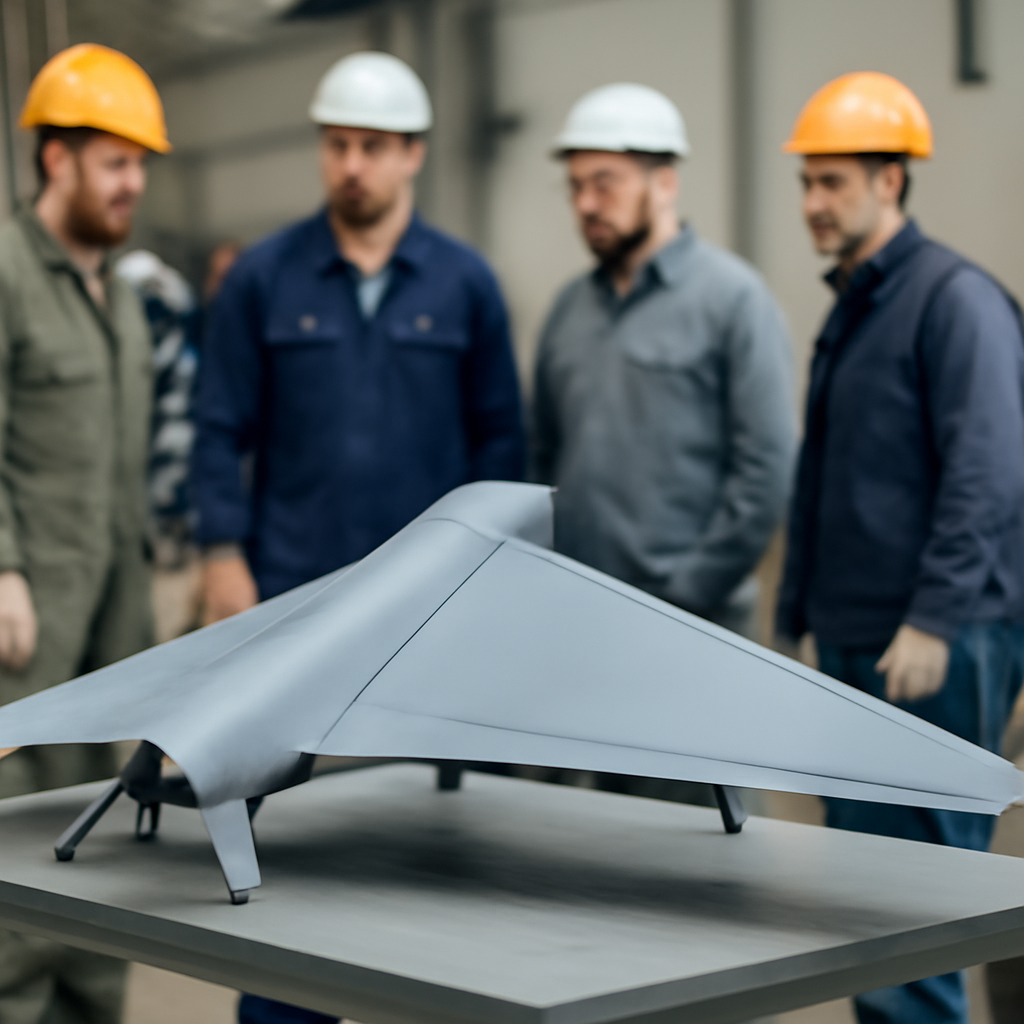
The SATELLITE Conference, held annually in Washington D.C., serves as a pivotal gathering for industry leaders, government officials, and innovators in the satellite and space technology sectors. In a time marked by rapid technological advancements and shifting geopolitical landscapes, this year’s conference highlighted the resilience and adaptability of American innovation. Exhibitors and attendees, including prominent companies like Thales and Tampa Microwave, showcased their latest advancements while engaging in discussions that reflect the current state of the industry and its future trajectory. This analysis explores the implications of the conference on various domains, including security, economic growth, military applications, and diplomatic relations.
The Current Landscape of Satellite Technology
The satellite industry is undergoing significant transformation, driven by advancements in technology and increasing demand for connectivity. The rise of low Earth orbit (LEO) satellite constellations, exemplified by companies like SpaceX’s Starlink and OneWeb, has revolutionized global communications. These developments are not only enhancing internet access in remote areas but also providing critical infrastructure for military and governmental operations.
According to a report by the Satellite Industry Association, the global satellite industry generated over $271 billion in revenue in 2020, with a projected growth rate of 5% annually. This growth is fueled by the increasing reliance on satellite technology for various applications, including telecommunications, earth observation, and navigation.
Security Implications of Satellite Technology
As satellite technology evolves, so do the security challenges associated with it. The increasing number of satellites in orbit raises concerns about space debris and the potential for collisions, which could disrupt services and pose risks to national security. Moreover, the reliance on satellite communications for military operations makes these systems attractive targets for cyberattacks.
During the SATELLITE Conference, discussions centered on enhancing cybersecurity measures for satellite systems. Experts emphasized the need for robust encryption protocols and the implementation of advanced threat detection systems to safeguard against potential vulnerabilities. The collaboration between private companies and government agencies is crucial in developing comprehensive security frameworks that address these challenges.
Economic Impact and Innovation
The SATELLITE Conference serves as a catalyst for economic growth by fostering innovation and collaboration among industry stakeholders. Companies like Thales and Tampa Microwave are at the forefront of developing cutting-edge technologies that enhance satellite capabilities. For instance, Thales has been instrumental in advancing satellite payload technologies, which are essential for improving data transmission and processing capabilities.
Furthermore, the conference provides a platform for startups and emerging companies to showcase their innovations. This year, several startups presented novel solutions aimed at addressing specific challenges within the satellite industry, such as miniaturized satellite components and advanced propulsion systems. The emphasis on innovation not only drives competition but also attracts investment, further propelling the industry forward.
Military Applications and Geopolitical Considerations
The military applications of satellite technology are vast, ranging from reconnaissance and surveillance to secure communications. The U.S. Department of Defense (DoD) has increasingly recognized the strategic importance of satellite systems in maintaining national security. The SATELLITE Conference highlighted the collaboration between private sector companies and the DoD in developing next-generation satellite systems that enhance military capabilities.
Geopolitically, the competition for dominance in space technology has intensified, particularly with the emergence of state actors like China and Russia investing heavily in their satellite capabilities. The U.S. must continue to innovate and invest in its satellite infrastructure to maintain its competitive edge. The discussions at the conference underscored the importance of public-private partnerships in achieving these goals.
Diplomatic Relations and International Collaboration
The global nature of the satellite industry necessitates international collaboration and diplomacy. The SATELLITE Conference provided a forum for discussions on regulatory frameworks and standards that govern satellite operations across borders. As countries increasingly rely on satellite technology for various applications, establishing cooperative agreements becomes essential to ensure the responsible use of space.
Moreover, the conference highlighted the role of satellite technology in addressing global challenges, such as climate change and disaster response. Collaborative efforts among nations to leverage satellite data for environmental monitoring and humanitarian assistance can strengthen diplomatic ties and promote global stability.
Conclusion: The Future of American Innovation in Satellite Technology
The SATELLITE Conference serves as a microcosm of the broader trends shaping the satellite industry and American innovation. As exhibitors and attendees embrace disruption, they are not only advancing technology but also addressing the multifaceted challenges that come with it. The interplay between security, economic growth, military applications, and diplomatic relations underscores the importance of a cohesive strategy that leverages the strengths of both the public and private sectors.
Looking ahead, the continued evolution of satellite technology will require ongoing investment in research and development, robust security measures, and international collaboration. By fostering an environment that encourages innovation and addresses emerging challenges, the United States can maintain its leadership position in the global satellite industry and drive forward the next wave of technological advancements.