Dutch and German Troops Conduct Major Joint Field Exercise
Overview
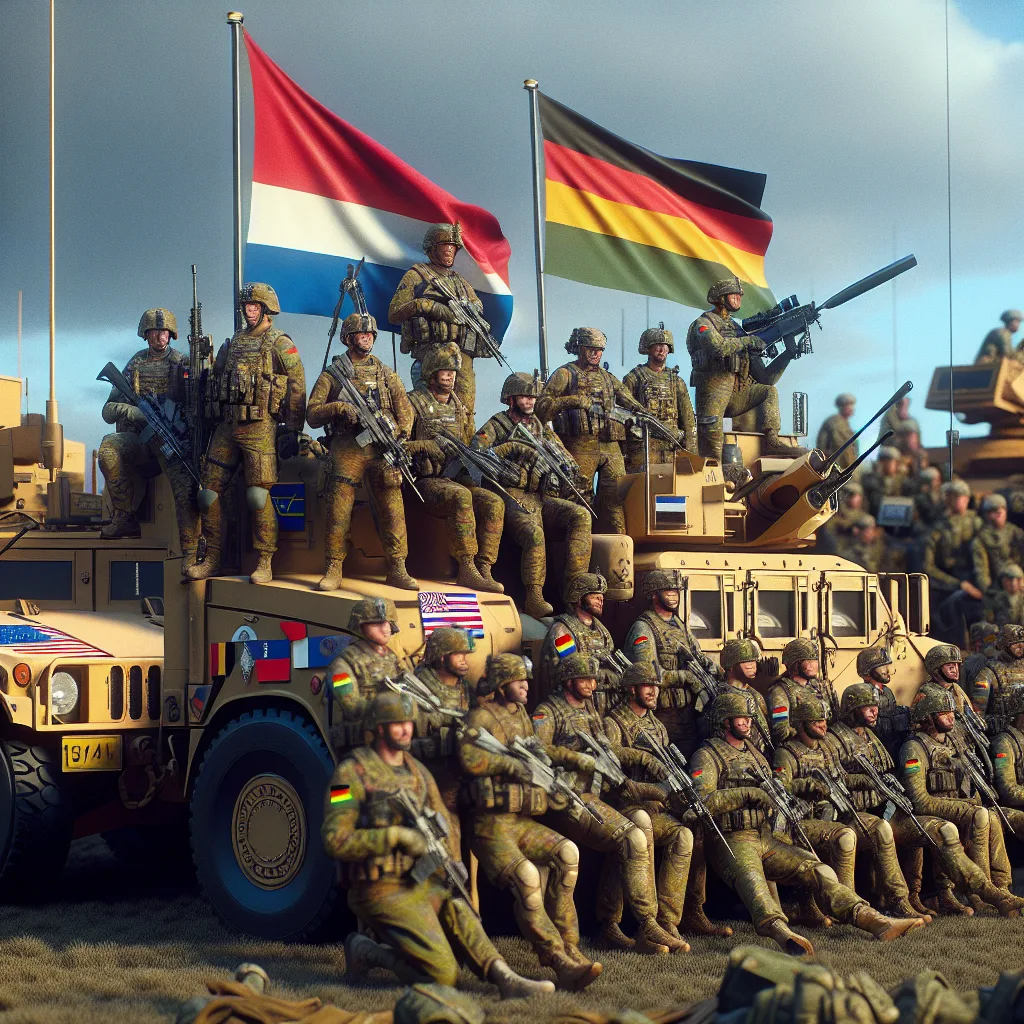
The recent joint field exercise, Bastion Lion, conducted by Dutch and German armed forces, represents a significant milestone in military collaboration within Europe. With over 4,000 troops and 1,800 military vehicles participating, this exercise not only showcases the operational capabilities of both nations but also underscores the strategic importance of multinational military cooperation in an increasingly complex global security environment. The implications of this exercise extend beyond mere tactical training; they touch upon the broader themes of deterrence, interoperability, and the evolving nature of European defense policy.
Background & Context
The historical context of Dutch and German military cooperation dates back to the post-World War II era, where both nations sought to rebuild their armed forces within the framework of NATO. The establishment of the NATO alliance in 1949 was pivotal in fostering a collaborative defense posture among member states. In recent years, the geopolitical landscape has shifted dramatically, with rising tensions in Eastern Europe, particularly due to Russia’s actions in Ukraine, prompting NATO members to reassess their defense strategies.
In this context, the Bastion Lion exercise is particularly relevant. It is not merely a routine training operation; it is a response to the changing security dynamics in Europe. The exercise reflects a commitment to collective defense and the necessity for NATO allies to enhance their readiness and interoperability. The timing of this exercise, amidst ongoing discussions about defense spending and military modernization across Europe, highlights the urgency of these issues.

Audit-ready is a season. It shouldn't be.
Evidence in spreadsheets, controls drifting between audits, frameworks multiplying on flat headcount. Nubivance runs continuous compliance on Rapid7 Cyber GRC - SOC 2, HIPAA, ISO 27001, PCI, CMMC.
End the scrambleCurrent Landscape
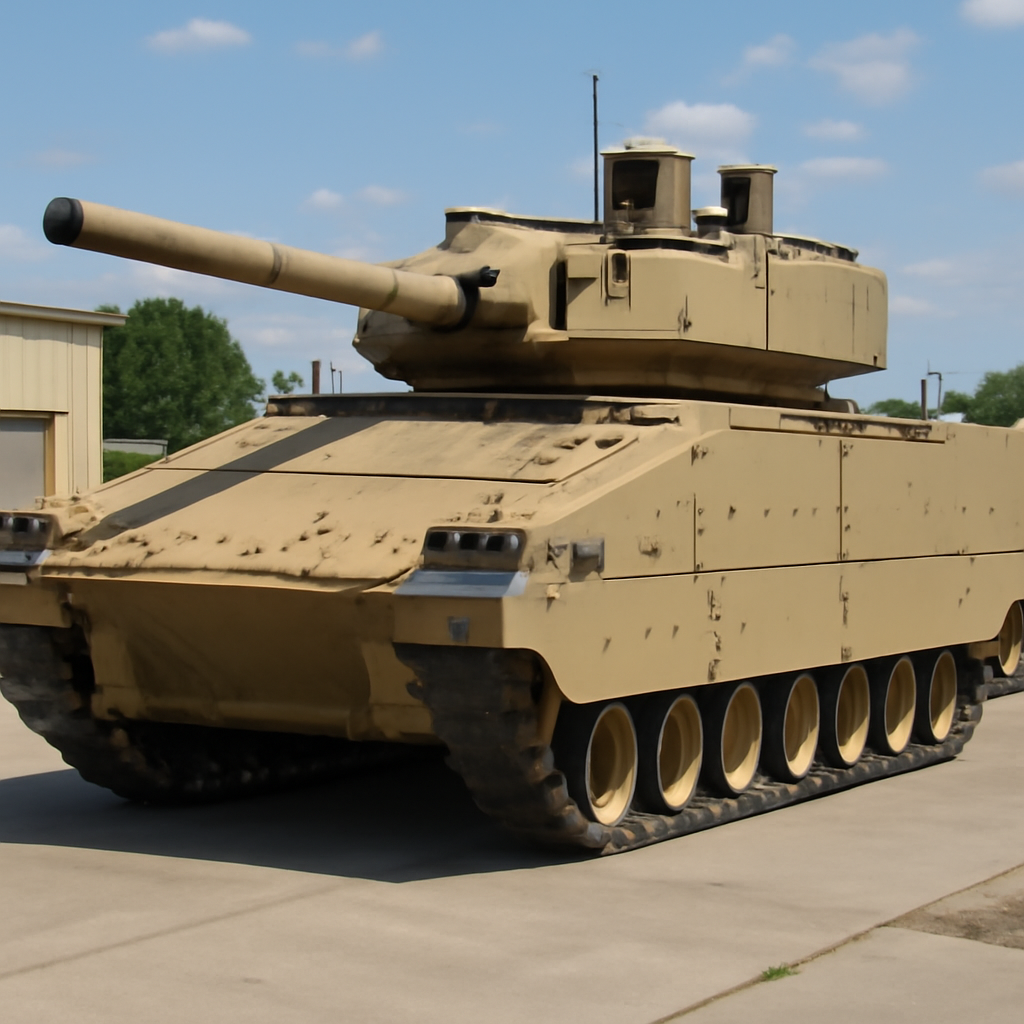
The Bastion Lion exercise is taking place at the Güz Altmark training area in Germany, a site known for its extensive facilities that support high-intensity combat training. The scale of this operation is noteworthy, involving a diverse array of military assets, including infantry, armored units, and air support. This joint exercise is designed to test and improve the operational capabilities of both Dutch and German forces in a realistic combat environment.
Key facts about the exercise include:
- Scale of Participation: Over 4,000 troops and 1,800 military vehicles are involved, marking one of the largest Dutch-led tactical movements in recent years.
- Operational Focus: The exercise emphasizes high-intensity combat scenarios, enhancing the readiness of forces to respond to potential threats.
- Logistical Coordination: Months of detailed logistical planning have been required to ensure the successful execution of the exercise, highlighting the complexities of multinational military operations.
This exercise is not an isolated event; it is part of a broader trend of increasing military collaboration among European nations. The European Union’s Global Strategy and NATO’s Enhanced Forward Presence are both initiatives that aim to bolster collective defense capabilities in response to external threats.
Strategic Implications
The implications of the Bastion Lion exercise extend far beyond the immediate tactical outcomes. From a strategic perspective, this exercise serves several critical functions:
- Deterrence: By demonstrating military readiness and operational capability, the exercise sends a clear message to potential adversaries about the commitment of NATO allies to collective defense.
- Interoperability: Joint exercises like Bastion Lion are essential for improving interoperability between allied forces. The ability to operate seamlessly together is crucial in any future conflict scenario.
- Political Significance: The exercise reinforces the political will of both nations to collaborate on defense issues, which is vital for maintaining unity within NATO and the EU.
Moreover, the exercise highlights the importance of logistics and supply chain management in modern military operations. The successful execution of such a large-scale exercise requires meticulous planning and coordination, which can serve as a model for future multinational operations.
Expert Analysis
From an analytical perspective, the Bastion Lion exercise can be seen as a reflection of the shifting paradigms in European defense. The increasing frequency of joint exercises among NATO allies indicates a recognition of the need for enhanced collective security measures. As geopolitical tensions rise, particularly with Russia’s assertive posture, the necessity for robust military readiness becomes paramount.
Furthermore, the exercise may also signal a shift in defense spending priorities among European nations. As countries like Germany and the Netherlands invest in modernizing their armed forces, there is a growing expectation for increased military collaboration. This trend could lead to a more integrated European defense framework, potentially reducing reliance on U.S. military support in the long term.
However, challenges remain. The varying levels of military capability and readiness among NATO allies can complicate joint operations. Additionally, political considerations, such as public opinion on defense spending and military engagement, may influence the extent of future collaborations. Thus, while the Bastion Lion exercise is a step in the right direction, it is essential to remain vigilant about the underlying dynamics that could impact future military cooperation.
Recommendations or Outlook
Looking ahead, several actionable steps can be taken to build on the momentum generated by the Bastion Lion exercise:
- Enhance Joint Training Programs: Expanding joint training exercises among NATO allies can further improve interoperability and readiness. Regularly scheduled exercises should be prioritized to maintain high levels of preparedness.
- Invest in Logistics and Infrastructure: Continued investment in logistics and infrastructure is crucial for supporting large-scale military operations. This includes enhancing supply chain capabilities and ensuring that training facilities can accommodate multinational forces.
- Foster Political Will: Engaging with policymakers to emphasize the importance of military collaboration can help secure necessary funding and support for future exercises and initiatives.
In terms of plausible future scenarios, we may see an increase in joint exercises not only among NATO allies but also with partner nations. This could lead to a more cohesive security architecture in Europe, capable of addressing a range of threats from conventional military challenges to hybrid warfare tactics.
Conclusion
The Bastion Lion exercise represents a critical juncture in the evolution of military cooperation between the Netherlands and Germany. As geopolitical tensions continue to shape the security landscape in Europe, the importance of joint exercises cannot be overstated. They serve not only as a means of enhancing military readiness but also as a powerful symbol of unity among NATO allies. As we reflect on the outcomes of this exercise, it is essential to consider the broader implications for European defense policy and the future of multinational military collaboration. Will Europe rise to the challenge and solidify its defense posture, or will it falter in the face of emerging threats? The answer may well depend on the actions taken in the wake of exercises like Bastion Lion.