Dronivka’s Rise: A Franco-Ukrainian Pivot in the Military Drone Arena
In the wake of evolving conflicts and transformative advances in unmanned systems, a new force in military drone innovation has emerged. Dronivka, a joint initiative bridging French aerospace expertise and Ukrainian operational acumen, is positioning itself as a game changer. As modern battlefields increasingly lean on drones for intelligence and combat roles, the establishment of Dronivka presents both a strategic partnership and a harbinger of the new era in military technology.
The genesis of Dronivka can be traced to the confluence of two distinct yet complementary defense traditions. France, with its storied history of advanced aeronautics and rigorous defense research, has long been at the forefront of unmanned system development. Across Europe, Ukraine’s conflict-hardened experience in leveraging drone technology for reconnaissance and ground support—particularly notable during protracted regional conflicts—has pushed operational innovation. The union of these two traditions forms the backbone of Dronivka’s mission: to deliver drones that are not only technologically sophisticated but also battle-tested.
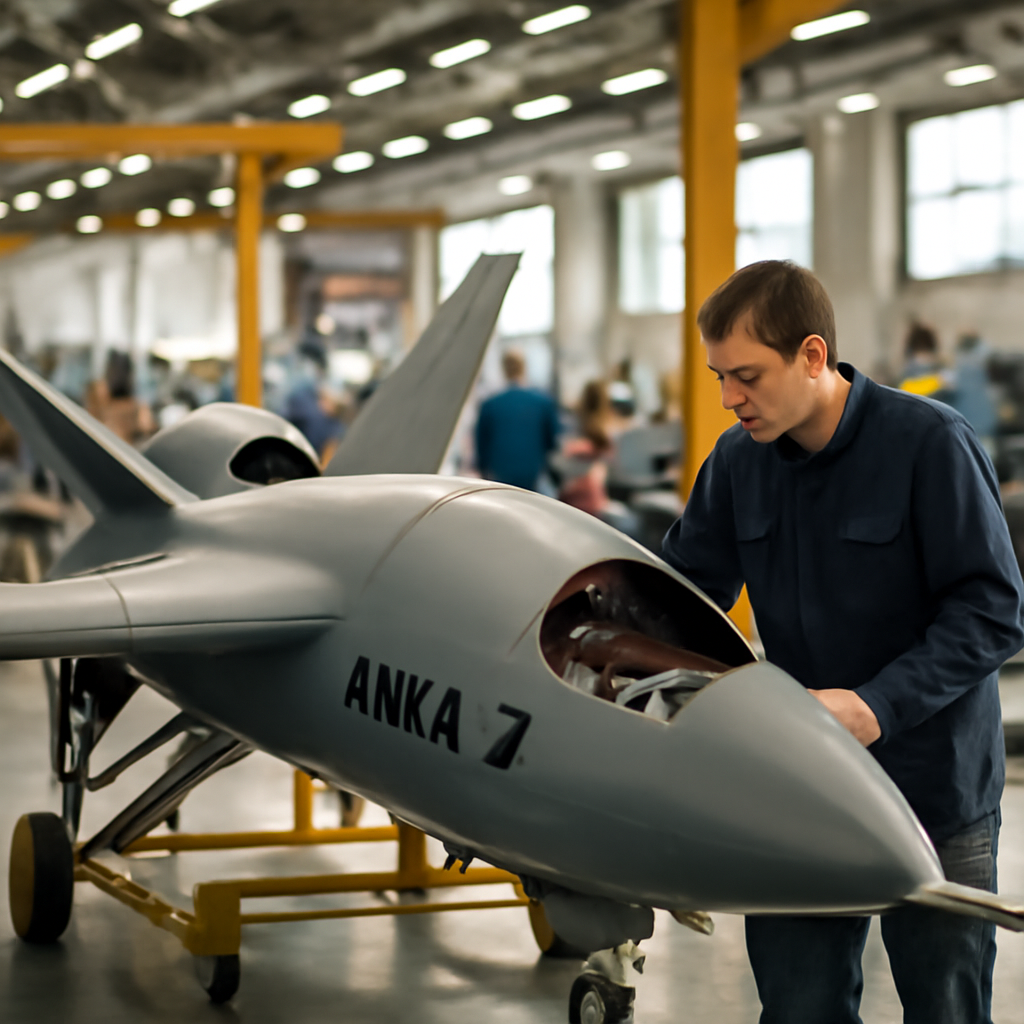
Recent intelligence, corroborated by defense market analysts familiar with both French industrial strategy and Ukrainian military initiatives, indicates that Dronivka is being developed with facilities strategically located between Paris and Ukrainian operational hubs. While details remain guarded due to the sensitive nature of military projects, sources close to the venture confirm that initial prototypes have already been successfully trialed under controlled conditions on the outskirts of Paris. Though official statements have been sparse, insiders note that the initiative is progressing rapidly amid heightened global interest in unmanned aerial combat systems.
The strategic significance of Dronivka cannot be overstated. In today’s multifaceted security environment, technological supremacy in the drone sector is rapidly becoming a cornerstone of national defense. By integrating French technological rigor with Ukrainian field experience, Dronivka’s platform is expected to bridge the gap between cutting-edge innovation and practical battlefield utility. Such collaborations not only offer a competitive edge over established American, Israeli, and Chinese competitors, but also signal an evolving paradigm in multinational defense enterprise.
Defense experts have long stressed the value—and the challenges—of international cooperation in high-tech arms development. Analysts at the International Institute for Strategic Studies (IISS) and reports from the RAND Corporation emphasize that while the pooling of resources and expertise can accelerate innovation, it also necessitates stringent controls over technology transfer and intellectual property. This balance is paramount in ensuring that while allies benefit mutually, sensitive technologies do not inadvertently fall into adversarial hands.
- Innovation and Integration: By marrying France’s advanced avionics with Ukraine’s combat-proven technologies, Dronivka may well set new performance benchmarks in durability, agility, and real-time data processing.
- Geopolitical Implications: The project mirrors broader NATO interests and represents a tangible strengthening of Franco-Ukrainian ties, potentially influencing defense policies across the European Union and its allies.
- Security and Regulation: Given the sensitive nature of military technology, stakeholders are watching closely to see how robust cybersecurity measures, export controls, and adherence to international arms regulations will be maintained.
Looking forward, several critical developments are on the horizon. While specific timelines remain classified, industry veterans predict that initial operational models could be fielded within the next 12 to 18 months. Observers believe that this move may provoke a recalibration among other global players in the arms market, spurring further alliances and competitive innovation. In this volatile intersection of technology and geopolitics, the Dronivka model is being scrutinized for its potential to redefine collaborative defense manufacturing.
Recent assessments by experts, including commentary from retired defense strategists associated with the RAND Corporation, suggest that while multinational ventures such as Dronivka can offer significant gains in operational efficiency and rapid technological deployment, they also necessitate transparent oversight. The dual pressures of maintaining national security standards and managing transnational intellectual property rights underscore a complex regulatory challenge that will test both French and Ukrainian administrations.
Within the corridors of Europe’s defense ministries, Dronivka has already sparked discussions regarding future procurement strategies and bilateral agreements. French defense officials, who have previously overseen high-profile projects under the aegis of the Direction générale de l’armement (DGA), underscore that any such venture must ultimately adhere to established oversight frameworks. Ukrainian military innovation, increasingly recognized for its dynamic approach and resilience under pressure, complements this philosophy, fostering an environment where shared risk is countered by mutual accountability.
At its core, Dronivka embodies more than just a new competitor in the drone marketplace. It represents a deliberate effort to merge diverse national strengths at a time when rapid technological adaptation is not simply an advantage but a necessity. For military planners, industry stakeholders, and policymakers, the company’s emergence is a clarion call to reexamine the future of warfare and the critical importance of cross-border collaboration in securing a competitive edge.
As conflicts evolve and nations scramble to harness new capabilities, one must ask: Will Dronivka’s Franco-Ukrainian model herald a new norm in defense innovation, or will it expose unforeseen vulnerabilities in an increasingly interconnected security landscape? Only time will reveal if this bold initiative can navigate the intricate balance between rapid technological progress and the stringent demands of global regulation.