"It is not sustainable to defeat hundred-dollar drones with million-dollar interceptors." — Sam Mehta, President of the Space & Mission Systems and Communications & Spectrum Dominance segments, L3Harris Technologies.
Adapt, Scale, Accelerate — the new demand signal
The Department of War (DoW) and allied nations are pressing for "capability that is proven, scalable and ready now," and that demand is reshaping how defense suppliers think about development and delivery. The source lays out three imperatives for industry: adapt to rapidly shifting operational needs; scale production to the quantities that modern operations require; and accelerate the pace at which capability moves from concept to fielded systems. Those priorities are presented not as optional improvements but as operational necessities driven by conflicts where adversaries adapt faster than traditional acquisition cycles.
Drones are changing the cost equation — and tactics
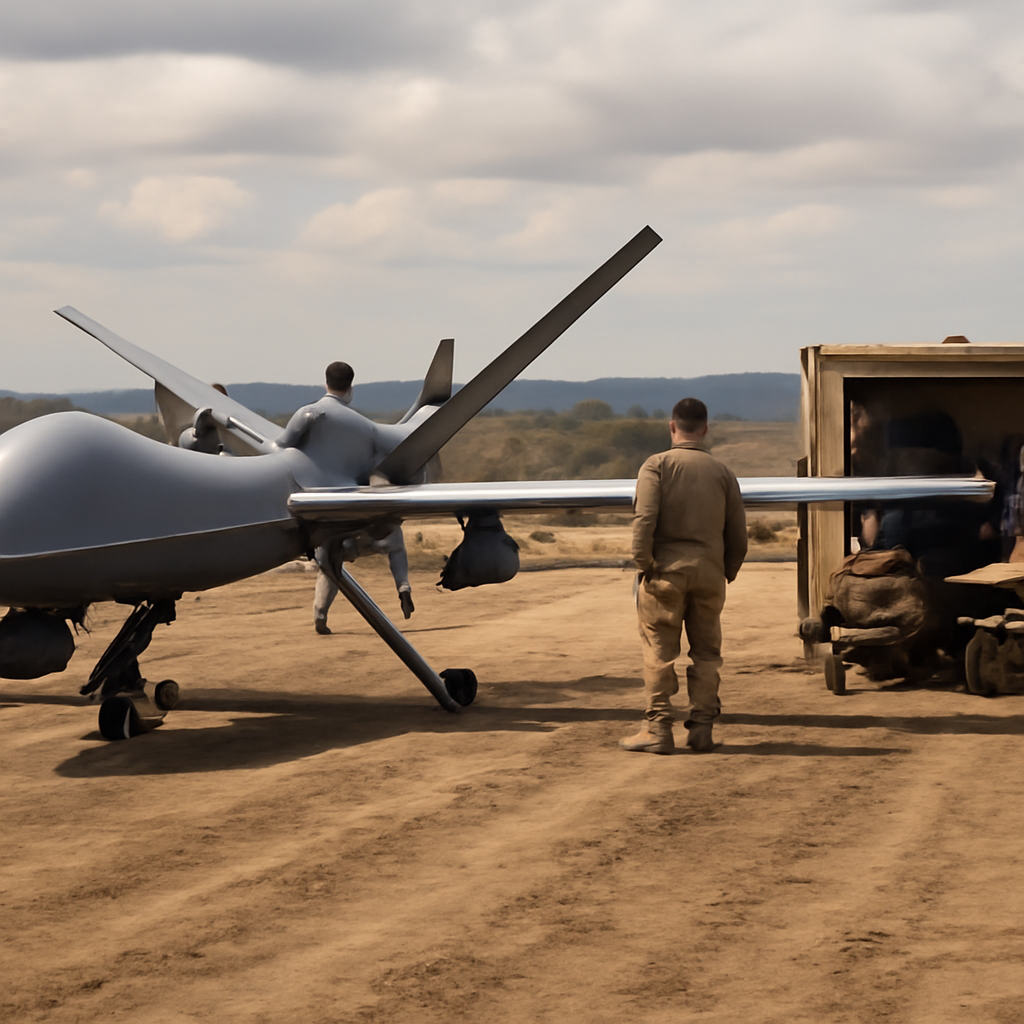
Low-cost unmanned systems deployed in numbers are the clearest example of why capacity now equals capability. The piece argues that "countering drones is the new asymmetric warfare" because saturating attacks can overwhelm defenses tailored to higher-value threats. L3Harris positions a family of integrated counter-unmanned systems — VAMPIRE, Drone Guardian and Wraith Shield — as built for distributed defense, rapid deployment and lower-cost engagement against small and mid-size drone threats. The company says it is increasing production of counter-drone systems to meet rising demand.

This site is the portfolio.
OSINTSights runs on Cloudflare Workers, D1, R2, and Vectorize, with an AI pipeline on Hetzner ARM. Nubivance designed, built, and operates it. We do the same for clients.
See what we buildCommunications must hold under pressure
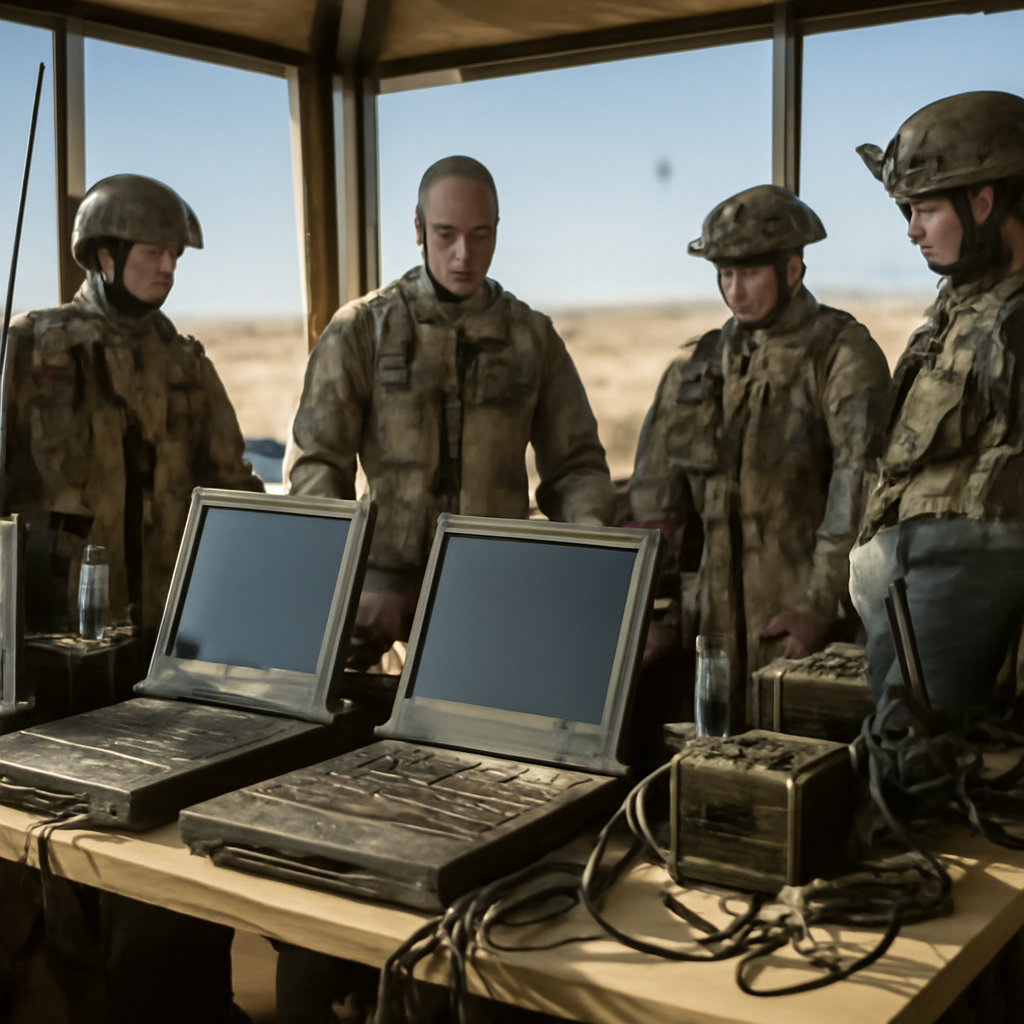
The source describes contested communications — the deliberate targeting of battlefield connectivity — as central to future fight dynamics. It lists specific capabilities now considered foundational for contested operations: anti-jam radios, adaptive waveforms, mission data links and hybrid satellite architectures. The argument is practical: "High data rates do not matter if communication devices are jammed, isolated or exposed." L3Harris states it has applied a commercial business model to its software-defined radio business to "field ahead of need, deliver urgent capability in hours and adapt based on real-time battlefield feedback."
Night operations require full-force capability
Degraded-visibility operations are singled out as an enduring pressure point. The source asserts that too many soldiers still lack modern night vision capability and that legacy systems were designed for a different era, creating "unnecessary operational risk." To close that gap, L3Harris highlights its NOVA night vision goggle system and says it has "invested significantly, and are scaling production now — these systems are ready for fielding." The company reports delivering over 800,000 night vision systems to U.S. and allied forces.
What this means for the DoW, Congress, and frontline operators
- For the Department of War: the DoW and allied nations are demanding systems that match evolving operational realities — in ISR, assured communications and space-based capability — and want them proven and scalable now.
- For Congress and the administration: procurement levers are described as already in play — multi-year procurement, accelerated contracting pathways and digital engineering initiatives are cited as tools being used to treat industrial capacity as a national security priority.
- For frontline operators: the practical need is for resilient, adaptable systems that can be updated in the field and pushed software updates directly into in-service equipment; the source stresses "production speed is now combat power" and the value of delivering urgent capability "in hours."
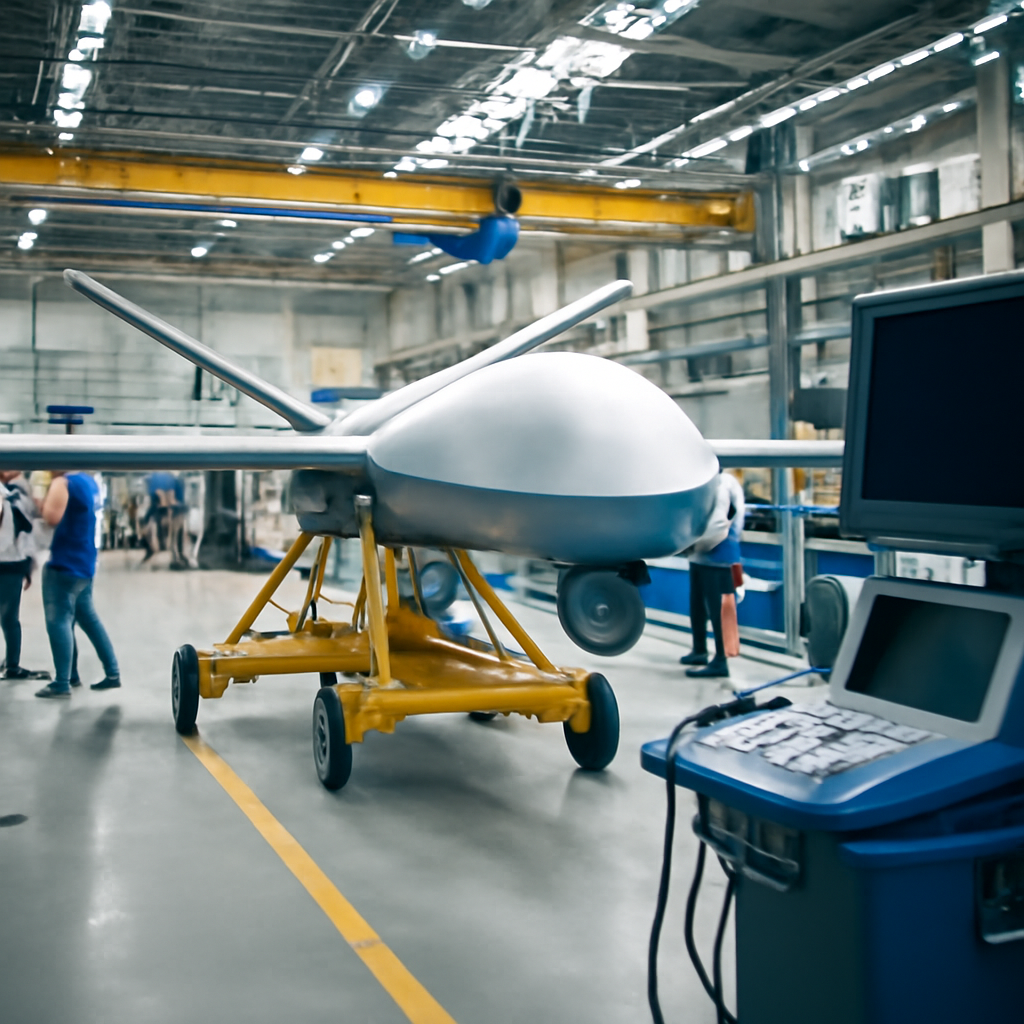
The article anchors its case in concrete production claims: L3Harris says it has delivered more than 1.2 million radios and 8,400 sensor turrets, in addition to the night vision totals. Those figures are presented as evidence that scaling and rapid delivery are achievable objectives when industry aligns itself with operational tempo.
Taken together, the argument is straightforward: modern conflict—characterized here by drone swarms, contested communications and operations in degraded visibility—favours capacity and rapid adaptability as much as individual technical edge. The DoW and allied governments are shifting procurement and policy to reflect that reality; the supplier cited in this account places its bets on volume, software-enabled flexibility and a family of systems designed for distributed defense. The central unresolved question the piece leaves on the table is whether the broader industrial base can sustain the production speed and operational responsiveness the DoW now requires.
https://breakingdefense.com/2026/06/capacity-is-the-new-capability/