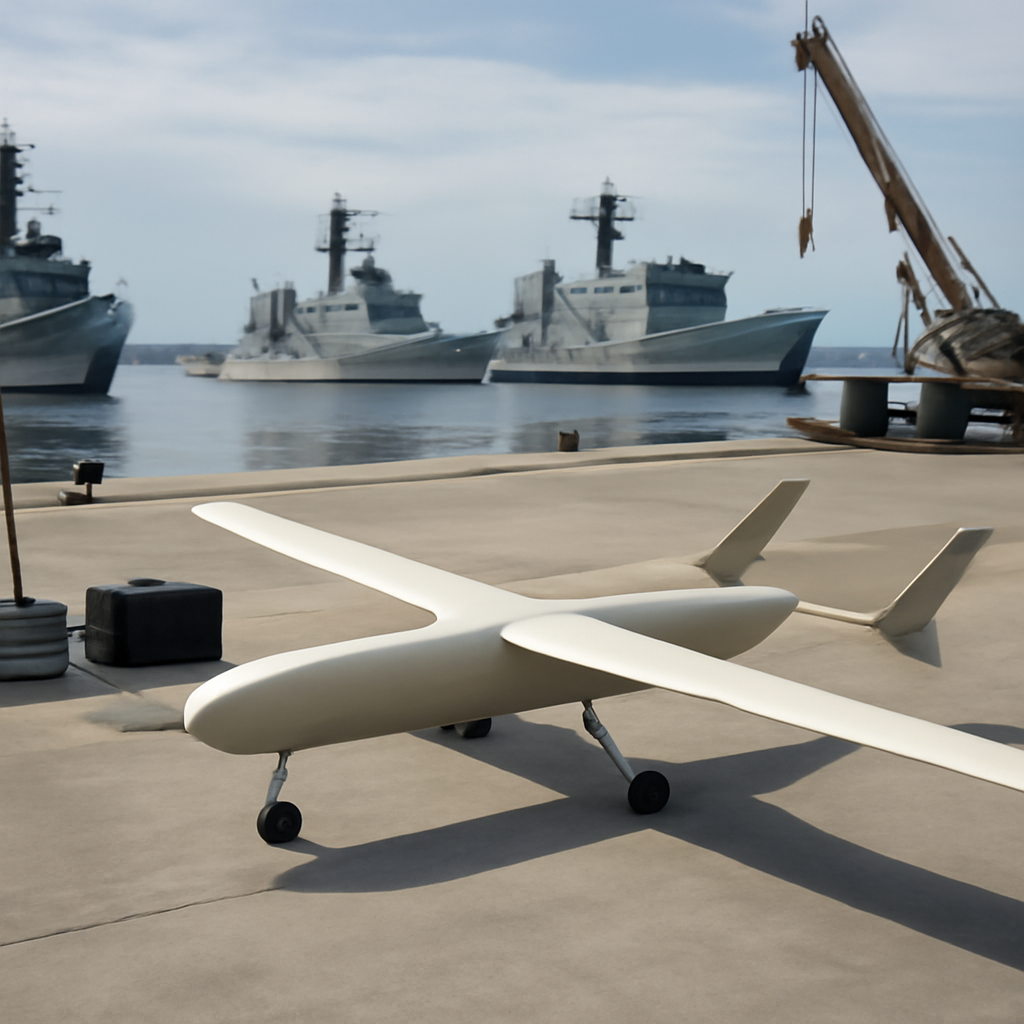
Czech Drone Receives NATO Mission Certification
Overview
The recent certification of the Czech drone manufacturer Primoco UAV SE’s One 150 unmanned aircraft for NATO missions marks a significant milestone in the realm of military aviation and unmanned systems. This achievement not only underscores the growing capabilities of Czech defense technology but also highlights the evolving landscape of NATO’s operational readiness and interoperability. As global security dynamics shift, the implications of this certification extend beyond mere technological advancement; they touch upon national security, defense collaboration, and the future of unmanned aerial systems (UAS) in military operations.
Background & Context
The journey to NATO certification for the One 150 drone has been a rigorous five-year process, characterized by extensive testing and verification. This drone is designed for a diverse array of military and civilian missions, showcasing its versatility. The significance of this certification lies in its dual recognition: it is the first drone to receive both NATO military certification and European civilian approval. This duality is crucial as it reflects a growing trend towards integrating military and civilian technologies, a necessity in modern warfare where the lines between combat and non-combat operations are increasingly blurred.
Historically, NATO has emphasized the importance of interoperability among its member states, particularly in the context of joint operations. The certification of the One 150 drone aligns with NATO’s strategic objectives to enhance collective defense capabilities and ensure that member nations can operate seamlessly together. As geopolitical tensions rise, particularly in Eastern Europe, the need for advanced, reliable, and interoperable military technologies has never been more pressing.

Audit-ready is a season. It shouldn't be.
Evidence in spreadsheets, controls drifting between audits, frameworks multiplying on flat headcount. Nubivance runs continuous compliance on Rapid7 Cyber GRC - SOC 2, HIPAA, ISO 27001, PCI, CMMC.
End the scrambleCurrent Landscape
The current state of unmanned aerial systems is marked by rapid technological advancements and increasing adoption across military and civilian sectors. The One 150 drone, with its medium size and multi-mission capabilities, is positioned to meet the demands of modern warfare. It can perform reconnaissance, surveillance, and even logistical support, making it a valuable asset for NATO forces.
According to recent data, the global drone market is projected to grow significantly, with military applications leading the charge. The integration of artificial intelligence (AI) and machine learning into drone operations is transforming how military forces conduct missions, enhancing decision-making processes and operational efficiency. The One 150’s certification is a testament to this trend, as it incorporates advanced technologies that align with NATO’s operational requirements.
Moreover, the geopolitical landscape is increasingly characterized by hybrid warfare tactics, where state and non-state actors employ a mix of conventional and unconventional strategies. Drones like the One 150 are essential in this context, providing real-time intelligence and operational flexibility. The certification not only validates the drone’s capabilities but also positions the Czech Republic as a key player in the European defense industry.
Strategic Implications
The certification of the One 150 drone carries profound strategic implications for NATO and its member states. Firstly, it enhances NATO’s operational capabilities by introducing a new asset that can be deployed in various mission scenarios. This diversification of capabilities is crucial as NATO adapts to evolving threats, particularly in Eastern Europe, where tensions with Russia remain high.
Secondly, the certification underscores the importance of collaboration between member states in developing and integrating advanced military technologies. As countries face budget constraints and the need for modernization, partnerships like those between Primoco UAV SE and NATO can lead to more efficient resource allocation and innovation.
Furthermore, the One 150’s certification may influence defense procurement strategies across Europe. Countries may look to adopt similar technologies to enhance their own military capabilities, leading to a ripple effect in the defense industry. This could foster a more competitive environment, driving innovation and reducing costs for military technologies.
Expert Analysis
From an analytical perspective, the certification of the One 150 drone represents a pivotal moment in the evolution of NATO’s approach to unmanned systems. It signals a shift towards greater reliance on advanced technologies that can operate in complex environments. The integration of drones into NATO operations is not merely a trend; it is a strategic necessity.
Moreover, the implications extend beyond military applications. The dual certification for civilian use opens avenues for broader applications of drone technology in areas such as disaster response, environmental monitoring, and infrastructure inspection. This versatility could lead to increased investment in drone technology across various sectors, further solidifying its role in modern society.
However, challenges remain. The rapid proliferation of drone technology raises concerns about regulation, security, and ethical considerations. As more countries develop their own unmanned systems, the potential for misuse or escalation of conflicts increases. NATO must navigate these complexities while ensuring that its member states can effectively leverage drone technology for defense purposes.
Recommendations or Outlook
To capitalize on the momentum generated by the One 150’s certification, several actionable steps can be recommended:
- Enhance Collaboration: NATO should foster greater collaboration among member states to share best practices and technological advancements in drone operations. Joint exercises and training programs can facilitate interoperability and build trust among allies.
- Invest in Research and Development: Continued investment in R&D for unmanned systems is essential. NATO should prioritize funding for innovative projects that explore new applications of drone technology, particularly in hybrid warfare scenarios.
- Establish Regulatory Frameworks: As drone technology evolves, NATO must work towards establishing comprehensive regulatory frameworks that address security, privacy, and ethical concerns. This will help mitigate risks associated with the proliferation of unmanned systems.
- Promote Civil-Military Integration: Encouraging the integration of military and civilian drone applications can lead to more efficient use of resources and foster innovation. This approach can also enhance public acceptance of drone technology.
Conclusion
The certification of the Czech One 150 drone for NATO missions is a landmark achievement that reflects the evolving nature of military operations and the increasing importance of unmanned systems. As NATO navigates a complex geopolitical landscape, the integration of advanced technologies like the One 150 will be crucial for maintaining operational readiness and effectiveness.
Ultimately, this development challenges conventional thinking about defense capabilities and underscores the need for continuous innovation and collaboration among member states. As we look to the future, one must ponder: how will the integration of drones reshape the battlefield and redefine the nature of warfare in the years to come?