"Everybody wants to rule the world," Tears for Fears told us in 1985.
A line from a song, and a tension at IMARC in Sydney
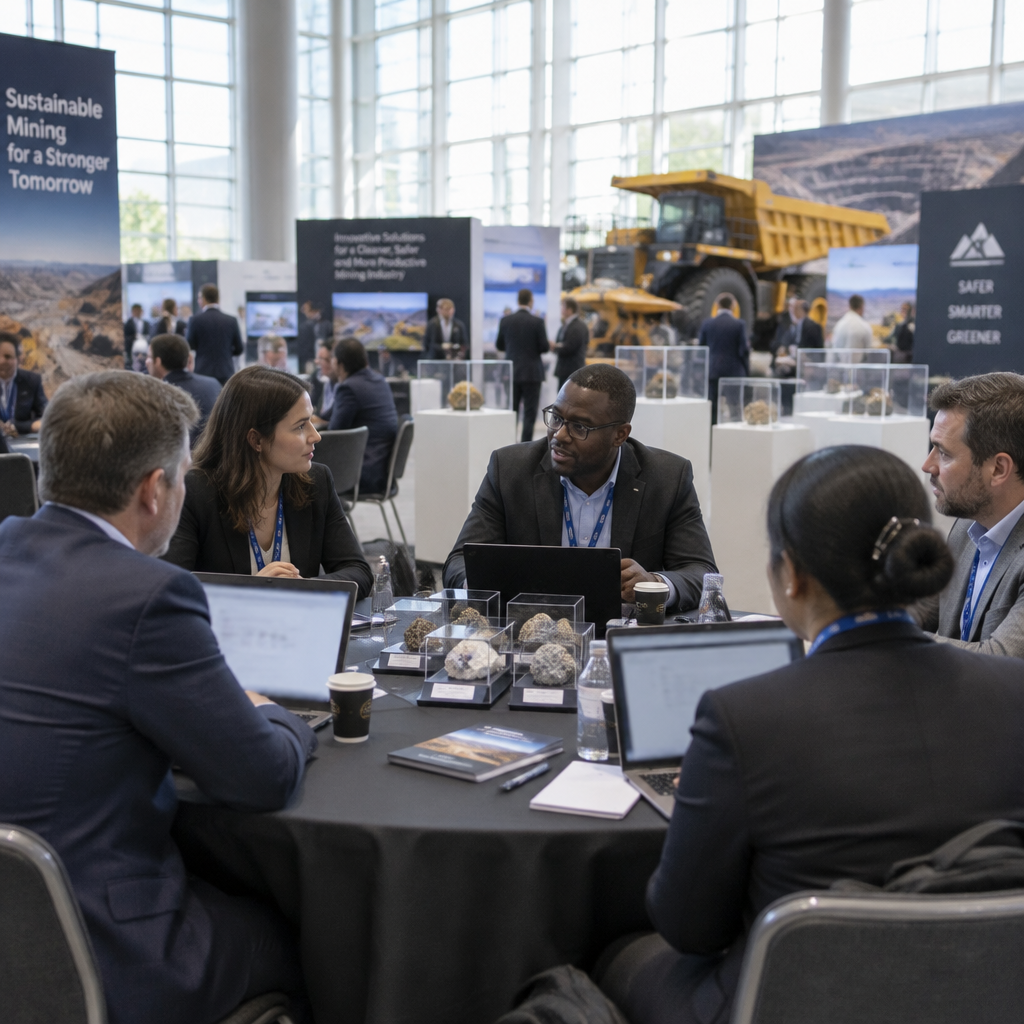
At the International Mining and Resources Conference (IMARC) in Sydney last month, miners, investors, manufacturers and governments gathered to debate how to turn raw deposits into resilient supply chains for critical minerals. Conversations there exposed a practical and conceptual gap: industry participants often see markets adapting and alternative suppliers emerging, while governments remain concerned about guaranteed access during geopolitical or commercial disruption. Both assessments can be true because they measure different things — existence of supply versus durability and accessibility in a crisis.
International Energy Agency: US$65 billion in 2025, but private investment fell
The International Energy Agency reports that public finance commitments for critical minerals in advanced economies reached about US$65 billion (A$92 billion) in 2025, more than four times their 2023 level. At the same time, investment by major critical minerals companies declined 9 percent in 2025. Those two figures — big public commitments and falling private investment — underline a central problem described repeatedly at IMARC: public ambition alone cannot substitute for the bankable, durable demand that commercial projects need to survive downturns.

This site is the portfolio.
OSINTSights runs on Cloudflare Workers, D1, R2, and Vectorize, with an AI pipeline on Hetzner ARM. Nubivance designed, built, and operates it. We do the same for clients.
See what we buildMarkets, governments, and the limits of adding more facilities
Developing processing capacity takes years, proven technology, substantial finance and customers prepared to qualify new products. Higher prices will attract investment, but when markets turn new projects are often the first to struggle. A new refinery might provide an alternative source of supply today, yet whether it survives a prolonged downturn depends on commercial conditions; and even if it survives, there is no guarantee its output will remain accessible during a geopolitical crisis. Increasing the number of suppliers therefore only partly addresses resilience.
Governments have several tools — underwriting some demand, sharing qualification costs or paying a premium for assured supply — but the right choice depends on the specific security benefit being purchased. The central test, as the IMARC discussions framed it, is whether an intervention preserves access and industrial capability through changing commercial and geopolitical conditions rather than simply adding another facility to the global production map.
Defence and rare earth magnets: procurement can't carry the whole industry
At IMARC, Defence-focused conversations illustrated another structural mismatch. Military procurement may need specialised materials — rare earth magnets were cited as essential to some systems — yet civilian demand from vehicles, electronics and industrial equipment is much larger. Defence’s dependence on a mineral can be far greater than its share of the market, meaning Defence procurement alone cannot sustain an entire processing and manufacturing industry.
That reality pushes governments toward blended approaches: targeted defence purchases where security benefits justify expense, combined with broader commercial demand creation so facilities operate at scale. Otherwise, governments risk subsidising facilities that remain below commercial scale or that are later closed when market conditions shift.
What this means for Defence, Manufacturers, and Australian miners
- Defence: Should expect that procurement can improve assurance for specific systems but is unlikely to underpin whole processing chains; Defence will need to define where paying a premium is justified and where shared, multilateral arrangements are preferable.
- Manufacturers: May welcome a second supplier but still buy from cheaper incumbents; without credible, durable purchasing commitments, manufacturers’ short-term buying behaviour can leave alternative capacity commercially unviable.
- Australian miners and policymakers: Face both a risk and an opportunity — risk that partner countries’ preferences for reserving production (for example, new American processing facilities prioritising American manufacturers) could make global processing more diverse without making it more accessible to partners; and opportunity to sell mining, processing and industrial expertise to countries willing to pay for security, provided Australia engages early with partners’ industrial strategies.
The policy implication is clear in the IMARC conversations: negotiating investment, security cooperation and market access as separate tracks risks locking supply into preferential arrangements that exclude other suppliers. Joint purchasing commitments, shared qualification arrangements and negotiated allocation rules for periods of disruption can create the bankable demand new projects need while protecting partners’ access. But those are deliberate, politically fraught choices, not automatic by-products of building more mines or refineries.
I left IMARC more optimistic about markets’ capacity to adapt, but less willing to equate new production with lasting resilience. The danger is that governments secure their own supplies while weakening the international markets on which their partners depend — and commercial reality will decide whether the surge in public finance in 2025 translates into durable, accessible capacity when it matters.
https://www.aspistrategist.org.au/more-mines-dont-always-mean-more-resilience/