Tensions in the Skies: A Near-Miss over China’s Coastal Airspace
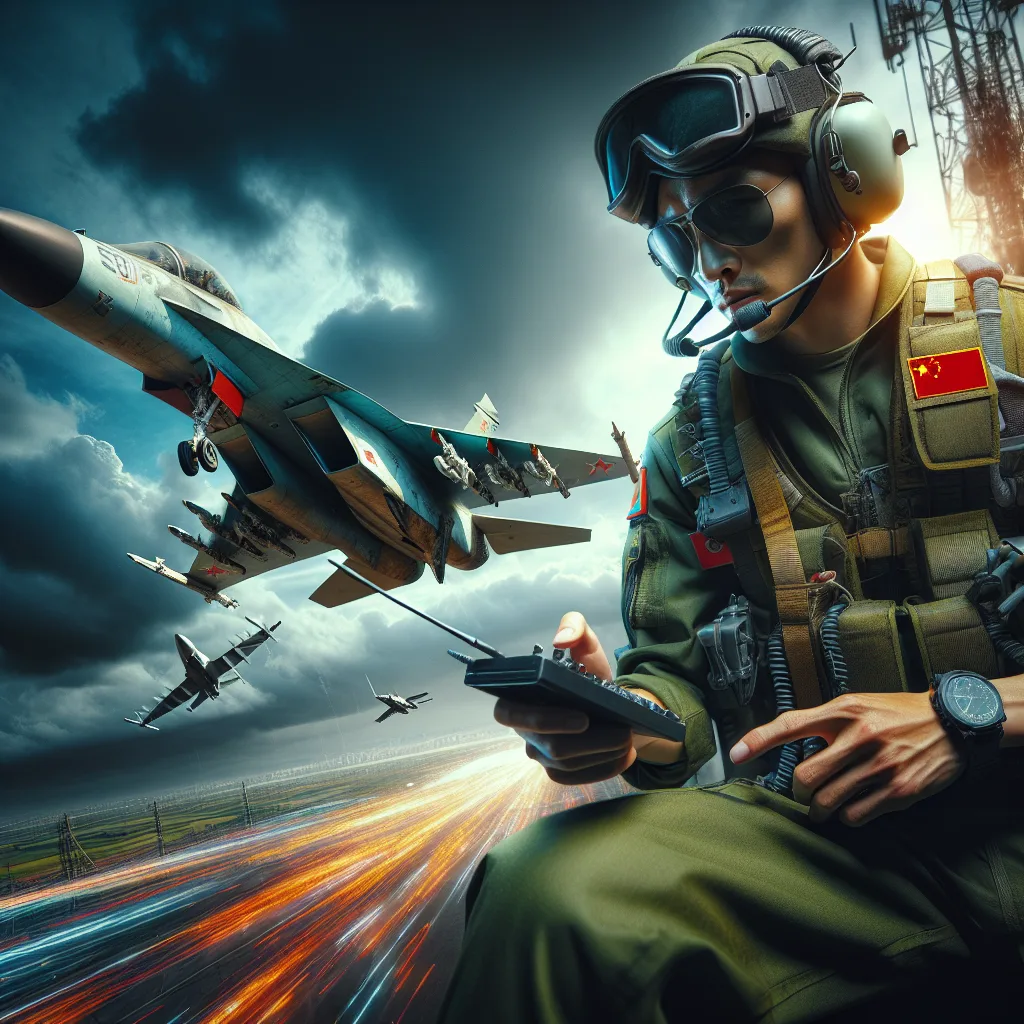
On a brisk day along China’s eastern seaboard, a Chinese Army pilot described an encounter that has since captured global attention—a nerve-wracking 10-meter gap between his aircraft and an unidentified foreign jet. In a statement relayed through PLA-affiliated media, pilot Wang Ling of an Army aviation brigade detailed how his unit, operating under the Eastern Theater Command, conducted 11 combat scrambles in the span of just 10 days. Each scramble was a direct response to what Chinese military sources characterize as repeated provocations by foreign forces near China’s coastline.
The pilot’s recollection, which first appeared on Defence Blog, paints a picture of high-stakes maneuvering amid an environment where routine patrols and intercepts have now taken on an increasingly aggressive posture. The confrontation, described with measured precision by Wang Ling, underlines both the operational intensity of China’s aerial defense strategy and the razor-thin margin for error in these tense encounters.
Historically, the region’s airspace has been a theater of complex military interactions as nations assert their sovereignty and strategic interests. Over the past decade, as China has significantly ramped up its military capabilities, there has been a notable increase in scramble missions to intercept unidentified or hostile aircraft. This pattern is observed not only along China’s coastline but also across the contested areas of the South and East China Seas, where freedom of navigation and the right to operate have become flashpoints in regional security debates.
In recent days, the Eastern Theater Command has come under particular scrutiny after Chinese military officials confirmed that its aviation units executed a series of rapid-response missions. These scrambles were reportedly prompted by the repeated incursions of foreign military aircraft operating in close proximity to Chinese airspace. Although specific details about the identities and nationalities of the provocative jets remain less transparent, the incident involving a mere 10-meter gap between Wang Ling’s craft and a foreign interceptor indicates a level of operational risk that experts warn could escalate unintentionally.
This incident is more than a dramatic anecdote; it is symptomatic of an evolving military landscape where the stakes are exceptionally high and miscalculations are perilously close. The close encounter highlights the urgent need for clear communication channels between military establishments to prevent isolated incidents from spiraling into larger conflicts—a sentiment echoed by defense analysts and strategic scholars alike.
From an operational perspective, the Chinese military has long maintained that its conduct in such scrambles is strictly defensive, aimed solely at safeguarding its airspace sovereignty. However, the frequency of these engagements has drawn critical attention from global policymakers, who worry that such close brush-offs could trigger a misinterpretation of intent in the heat of the moment. Given the heightened sensitivity of airspace around China’s coastal regions—a space shared by multiple regional powers—the implications extend well beyond a single military unit’s report.
Some observers at institutions such as the RAND Corporation note that the tactical use of combat scrambles as a deterrent strategy has historical precedents. Yet, the razor-thin margins involved in these operations, where a separation of a few meters can mean the difference between safety and catastrophe, underscores an inherent risk in contemporary aerial confrontations. As Michael Swaine of the Carnegie Endowment for International Peace has remarked in prior analyses, “Such close encounters, whether accidental or deliberate, serve as stark reminders of the complex interplay of deterrence and escalation in modern military operations.” While these comments do not directly quote the current incident, they provide valuable context for understanding the operational pressures at play.
Beyond the technical details and the immediacy of the scramble campaigns, the human element of such incidents remains particularly noteworthy. For frontline pilots like Wang Ling, each mission carries the burden of responsibility—not only for national defense but also for preventing inadvertent escalation that might otherwise lead to broader international conflict. These servicemen and women operate in a space where precision and calm under pressure are not merely professional traits; they are requisites for averting disasters. Their narratives underscore a universal truth: in the arena of modern aerial warfare, human judgment becomes as critical as technological sophistication.
Looking ahead, defense strategists suggest that similar encounters are likely to increase, especially in regions where multiple national interests converge. As national militaries continue to modernize and enhance their operational doctrines, the risk of miscommunication or miscalculation will remain a focal point for international diplomatic engagement. Military analysts advocate for transparent communication protocols and crisis de-escalation mechanisms—a call echoed in various strategic reviews by institutions like the Brookings Institution and the International Institute for Strategic Studies.
For policymakers in Beijing and abroad, the incident is a stark reminder of the delicate balance between deterrence and provocation. While the Chinese military claims that its actions are only defensive, the repeated pattern of close scrambles raises essential questions about escalation pathways should these encounters inadvertently cross turning points. Both Western defense departments and regional security bodies are closely monitoring the situation, emphasizing the importance of maintaining open lines of communication among adversarial forces. The short distance of 10 meters, in this context, becomes a metaphor for how thinly separated are the realms of normal military operations and full-scale conflict.
Critics and supporters alike will likely scrutinize future developments with equal measures of urgency and caution. As China continues to assert its presence along vulnerable airspace corridors, the international community is reminded that while technology and strategy evolve, the human factor in military engagements remains a potent variable. The invaluable experience of pilots like Wang Ling provides an insider’s glimpse into an operational reality fraught with high risks and the constant pressure of split-second decisions.
In a world where aerial skirmishes can create ripple effects across global security frameworks, the recent report of a near-miss over China’s coast serves as a compelling case study in modern military dynamics. It invites us to consider: how many inches of separation are too few when national pride, military readiness, and international security hang in the balance?