“China now leads in 66 of the 74 technologies tracked,” writes Rebecca Fannin — a stark metric that frames her central claim: China’s technology companies are no longer imitators but competitors and, in many fields, leaders.
From Baidu–Alibaba–Tencent to ByteDance, Mituan and Xiaomi
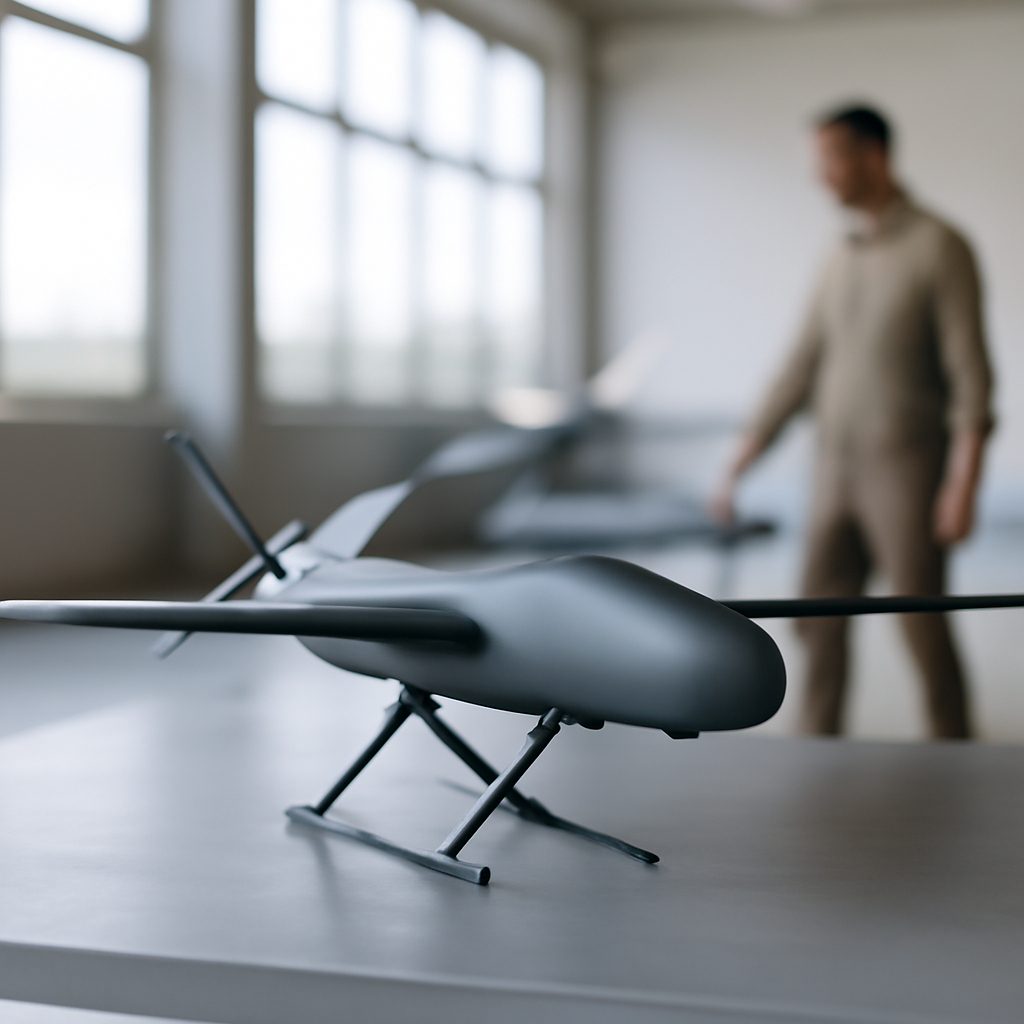
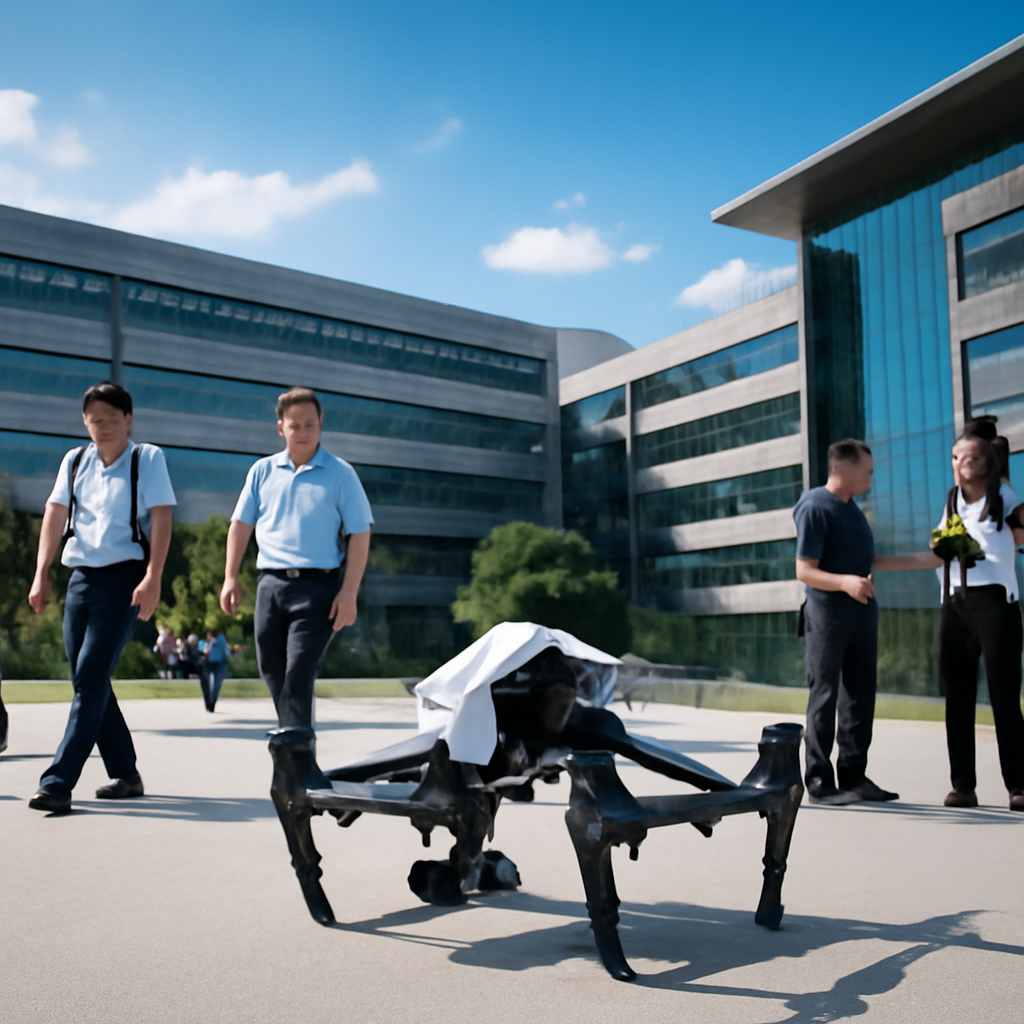
Fannin traces a clear evolution in China’s tech landscape. The early narrative, dominated by Baidu, Alibaba and Tencent, has given way to a broader cast of firms that have leveraged China’s vast mobile internet to scale rapidly: ByteDance, Mituan and Xiaomi are singled out as leaders in this next wave. These newer entrants have moved aggressively into emerging technologies including drones, robotics, advanced manufacturing and AI, narrowing the gap with Western firms and in some cases overtaking them in global market share.
Silicon Valley, 'sea turtles', and the cross-border ecosystem
Fannin emphasizes that China’s rise was not achieved in isolation. Silicon Valley supplied talent and capital — enabling US listings, mergers and acquisitions, and joint R&D — while returning students, known as 'sea turtles', brought skills and networks home. That cross-border ecology powered rapid growth and innovation, a partnership that has frayed as US–China competition hardened.

This site is the portfolio.
OSINTSights runs on Cloudflare Workers, D1, R2, and Vectorize, with an AI pipeline on Hetzner ARM. Nubivance designed, built, and operates it. We do the same for clients.
See what we buildUS pushback: export controls, market restrictions and unintended effects
The United States has pursued multiple measures to slow China’s technological rise: cracking down on Silicon Valley investment in China, imposing barriers to imports and exports, and restricting Chinese access to semiconductors and other high‑tech components. Fannin argues these policies have produced a paradox: rather than halting progress, some restrictions have stimulated Chinese innovation and efforts toward technological independence.
Corporate concerns — notably over intellectual property and regulatory tilts that favour domestic firms — have fed US pushback. Fannin cites prominent cases, such as the blocking of Facebook’s possible entry into China, and points to instances where American companies faltered by not adapting to local conditions. She also documents a period of domestic Chinese regulation: a 2021–2023 crackdown aimed at curbing monopolistic behaviour in big tech, which she says Xi Jinping later tempered as the government reasserted a clear ambition for China to become the world’s tech leader.
Electric vehicles: China’s global dominance and blocked US access
China’s EV sector, Fannin writes, is a textbook example of successful industrial policy. Driven by government ambition to dominate global markets—as it did with solar panels—Chinese EVs now lead worldwide. Yet the United States has "virtually barred the entry of Chinese EVs into the American market," mainly citing data privacy concerns. That exclusion exists even as Chinese EVs sell in Canada and Mexico, and despite the ironies Fannin notes: Tesla operates its largest global manufacturing and export hub in China, while Chinese EVs are effectively excluded from the US market.
Fannin highlights Xiaomi’s pivot from smartphone leadership toward producing EVs as emblematic of Chinese firms’ rapid diversification and scale. She suggests the US market may eventually open to Chinese EVs and warns that Detroit should be prepared for that possibility.
DeepSeek‑R1, open‑weight models and the AI race
On AI, Fannin maintains that the US still leads in R&D, but China is closing the gap and leads in adoption and commercialisation. A flashpoint came in 2025 when a Chinese startup launched DeepSeek‑R1, a powerful AI model that, Fannin says, "rattled the US." She notes a structural difference in model deployment: many Chinese AI models are open‑weight — downloadable, modifiable and runnable independently — a characteristic she believes fosters faster innovation compared with more closed US models.
These dynamics align with ASPI’s Critical Technology Tracker, which Fannin cites to show China’s advantage across a broad set of research areas.
What this means for technologists, policymakers, and automakers
- Technologists and security teams: expect faster innovation cycles where open‑weight models and domestic component development are available; the shift may require new approaches to interoperability and risk assessment.
- Policymakers and regulators: face difficult trade‑offs — restrictions on chips and tech can spur domestic alternatives and deepen decoupling pressures, yet political and regulatory concerns about data and IP remain drivers of market denial.
- Automakers and supply‑chain planners: must reckon with Chinese EVs’ growing global footprint and government‑backed scale; firms tied to traditional markets should consider scenarios in which US access shifts and competition intensifies.
Fannin closes on a note of frustration and potential: she despairs at the current lack of cooperation between China and the United States, yet hopes the "immense potential for cooperation can be realised." The record she assembles — rapid industrial policy‑driven scaling, cross‑border talent flows, targeted Western pushback, and a decisive Chinese pivot into open, commercialised AI — leaves one concrete question: if substantial decoupling is extremely difficult, will competition reshape into a durable strategic rivalry, or will the pressure to cooperate on shared technological risks eventually prevail?