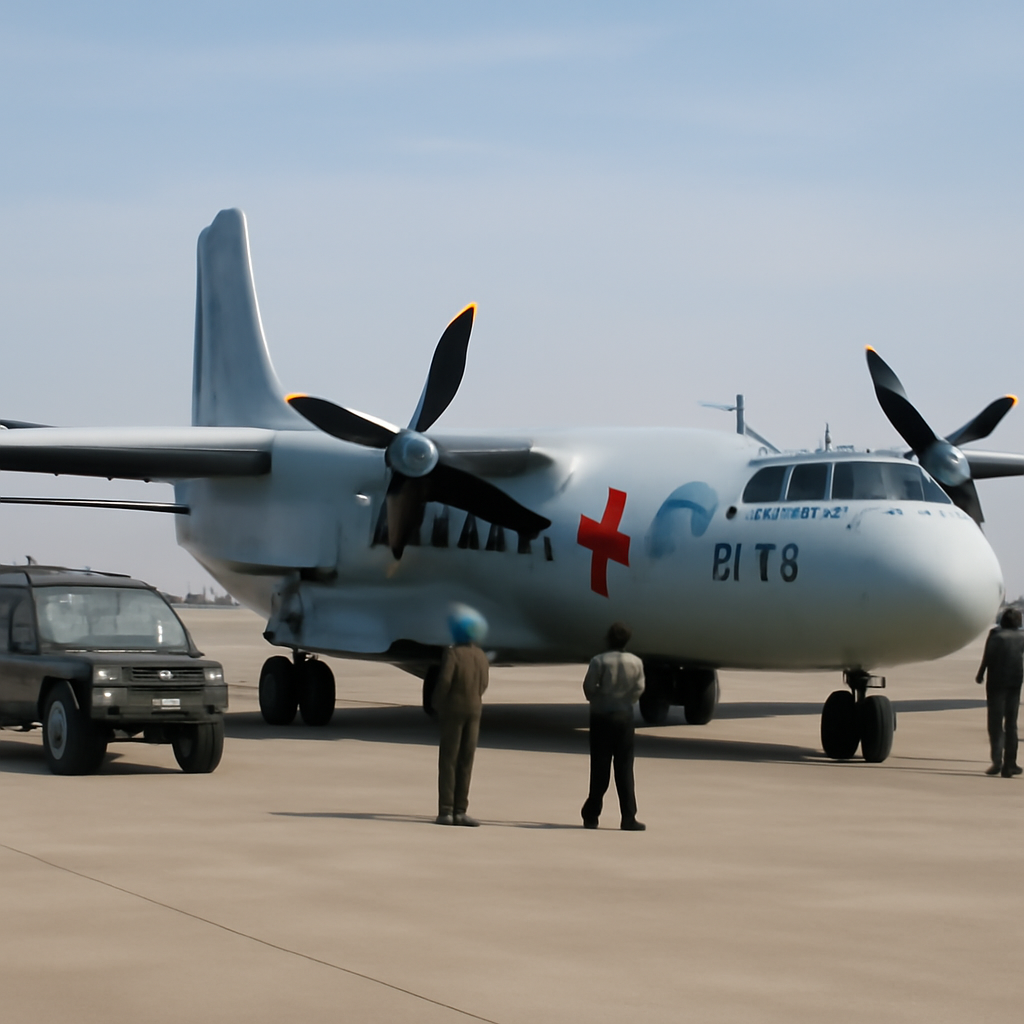
The 4th Transportation and SAR Brigade operates 11 Y‑7G transports, confirmed by serials of (55×1×).
Central Theater Command Air Force drill: routine, low‑key, familiar
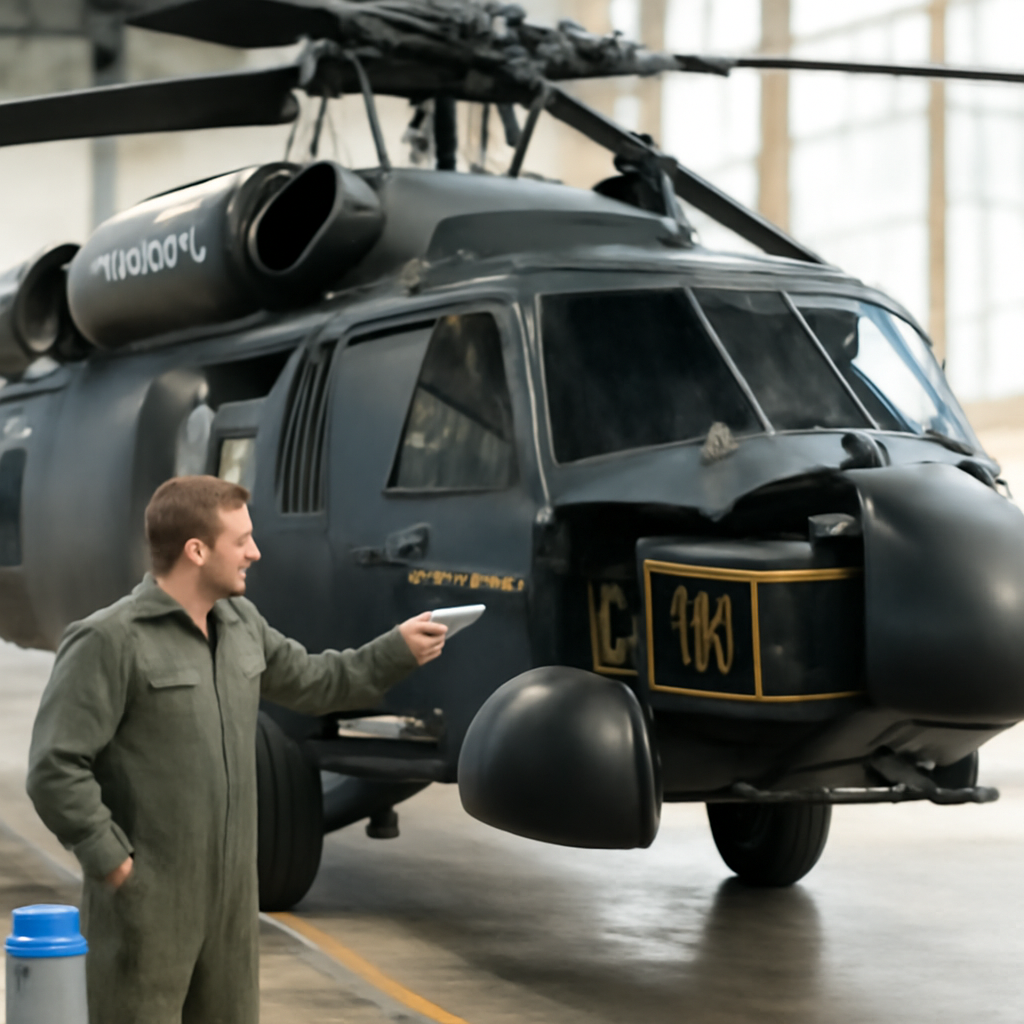
What played out was deliberately unremarkable: a standard search‑and‑rescue drill run as a MOOTW (Military Operations Other Than War) scenario. The exercise featured Z‑8K and Z‑9 helicopters in the familiar 'bread‑and‑butter' training that rarely draws attention. According to the report, nothing flashy or dramatic occurred — the sort of day‑to‑day readiness activity that keeps crews sharp without making headlines.
Y‑7G surfaces in a medevac role for the first time in a while
The detail that broke the routine was the presence of a Y‑7G military transport configured for medevac duties. The report notes this is the Y‑7G's first noticeable public appearance in that role in some time. Footage accompanying the account does not show the interior, so the medical fit‑out, equipment, or stretcher/load configuration remain unobserved; the record is limited to the airframe performing medevac‑style movements in the background.

This site is the portfolio.
OSINTSights runs on Cloudflare Workers, D1, R2, and Vectorize, with an AI pipeline on Hetzner ARM. Nubivance designed, built, and operates it. We do the same for clients.
See what we buildHelicopter work remains central: Z‑8K and Z‑9 employment
The exercise reinforced the enduring role of rotary assets in MOOTW scenarios. Z‑8K and Z‑9 helicopters conducted the usual SAR tasks under the established operational pattern for non‑combat contingencies. The report frames these helicopters as the "usual suspects," underscoring that this brigade’s capability mix still leans on rotary platforms for close‑in search and casualty evacuation work.
Fleet context: Y‑7 numbers, lineage, and replacements
The Y‑7 is portrayed in the report as an aging workhorse. Production for the type began in 1977, yet the fleet is small by comparison with later designs: fewer than 100 Y‑7s remain in PLA service overall. The 4th Transportation and SAR Brigade’s 11 Y‑7G transports therefore represent a substantial share of the type’s remaining numbers. The account characterizes the Y‑7 program as never having been considered a major success, noting that the Y‑9 has effectively replaced the Y‑7 in the tactical transport role while the Y‑20 has become the backbone of strategic lift. In that framing, the Y‑7 endures because it must, not because it is the preferred solution.
What this means for the 4th Transportation and SAR Brigade, PLA transport planners, and regional observers
- The 4th Transportation and SAR Brigade — Operating 11 Y‑7G airframes, the brigade will continue to rely on those older transports for medevac and transport tasks until newer platforms fill roles at scale; their public use in drills suggests they remain part of the unit’s operational toolkit.
- PLA transport planners — The reported replacement of the Y‑7 by the Y‑9 for tactical lift and the Y‑20 for strategic lift frames force‑structure choices: planners must balance limited numbers of older airframes against the rollout pace of successors when assigning medevac, transport, and SAR responsibilities.
- Regional observers — The Y‑7G’s visible medevac appearance, and the serials confirming 11 in one brigade, provide tangible data points for analysts tracking platform distribution and capability handoffs from legacy types to newer transports.
The drill was unremarkable by design, but the Y‑7G’s quiet return to a medevac role is the sort of incremental evidence that shapes longer‑term assessments. Eleven Y‑7Gs in one brigade — out of fewer than 100 Y‑7s service‑wide — highlights how older platforms are still pressed into routine duties even as the Y‑9 and Y‑20 assume more prominent transport roles. Whether the Y‑7G will remain a visible part of public drills or increasingly recede as replacements proliferate is a small but telling question the record now leaves on the table.
Original story: https://china-defense.blogspot.com/2026/06/plaaf-unit-of-day-4th-transportation.html