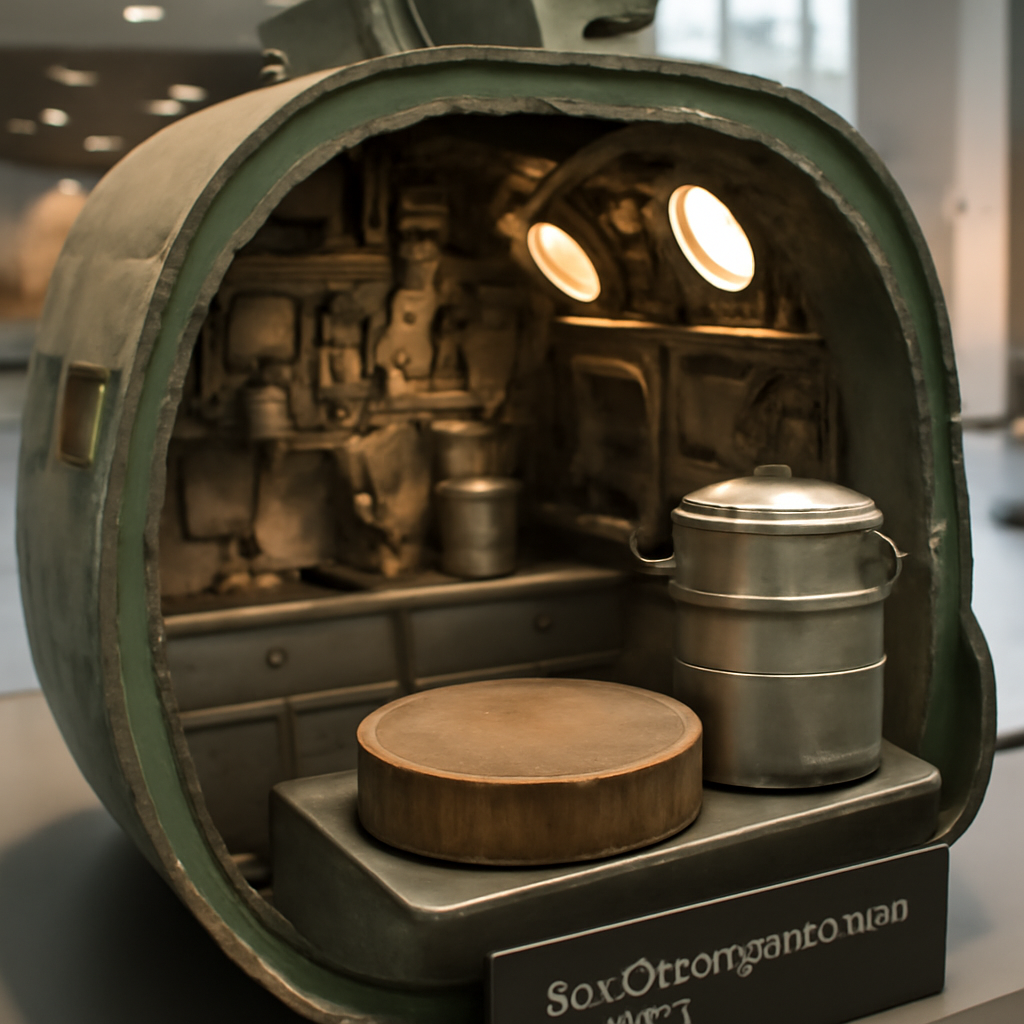
"The galley is very Chinese thanks to the oversized round chopping block that shows up anywhere serious Chinese cooking is done," observed a February 14, 2026 post in a close photographic look at a Type 035G Ming‑class submarine now on display as a museum piece.
The galley on the Type 035G: domestic details amid naval lineage
The image-driven note about the galley is precise and particular: oversized round chopping block and stainless‑steel steamer pots give the boat an unmistakably domestic Chinese kitchen feel. The blog post uses those features to underline a contrast: "So yes, the 035G may trace its lineage to the old Soviet Romeo class, but judging by the galley alone, that influence clearly stopped at the watertight door." The observation is a useful reminder that even cold‑steel platforms carry cultural and practical choices visible in their smallest spaces.
The Type 035G fleet: from a peak of twelve to disappearance from service
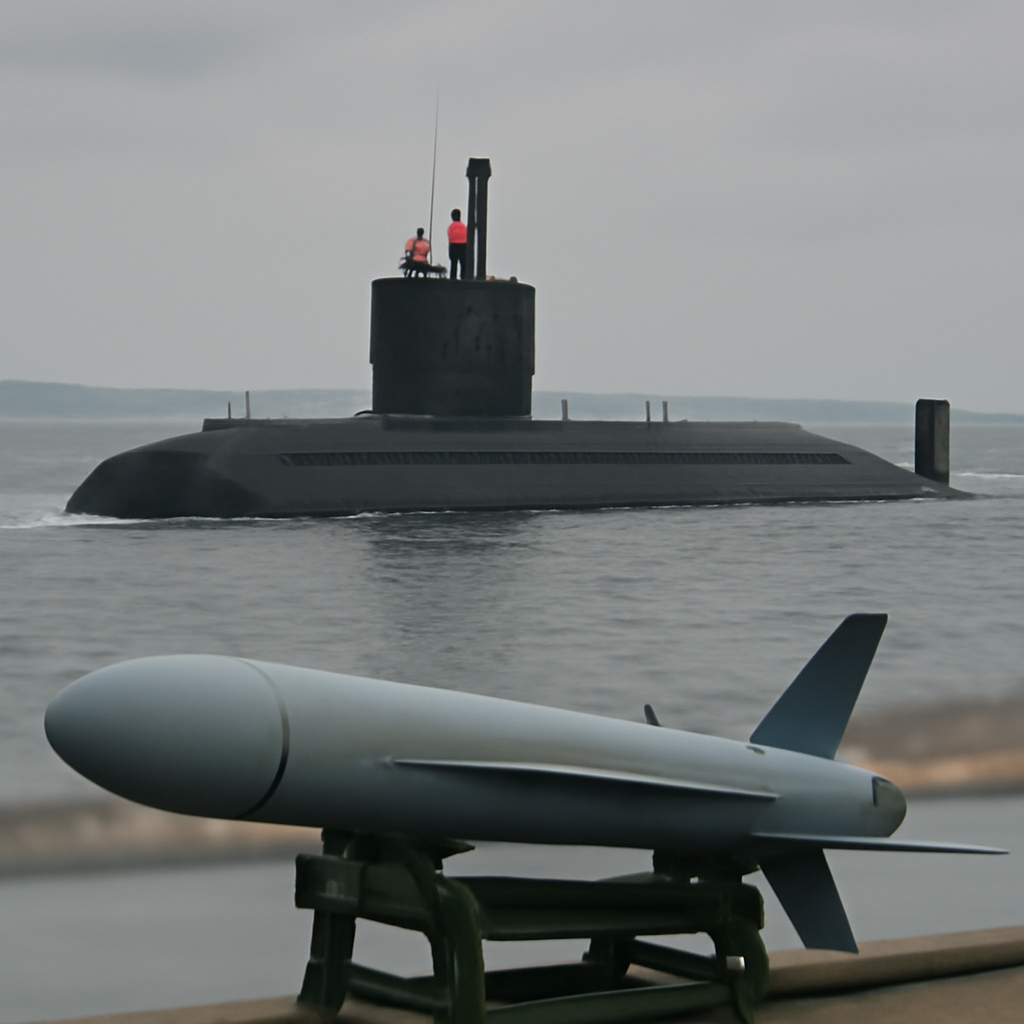
At one time the Type 035G Ming class reached a peak of twelve boats. According to the same reporting, however, the class has "effectively disappeared from the PLAN service." The lifecycle described in the source is stark: two boats were sold to the Bangladesh Navy in 2013, two were converted into museum or theme‑park attractions, and the remaining boats are "currently being scrapped." That sequence captures an entire operational arc—acquisition, foreign transfer, preservation, and dismantling—within a single sentence of inventory.

This site is the portfolio.
OSINTSights runs on Cloudflare Workers, D1, R2, and Vectorize, with an AI pipeline on Hetzner ARM. Nubivance designed, built, and operates it. We do the same for clients.
See what we buildBangladesh's acquisition: ceremony, names, and the transfer timeline
Coverage cited a Dhaka Tribune item and an Inter Services Public Relations Directorate (ISPR) release around the 2016 period. The Dhaka Tribune reported that Bangladesh "took delivery on Monday of its first submarines, bought from China," and that the delivery occurred in the presence of Bangladesh navy chief Admiral Nizamuddin Ahmed at Liao Nan Shipyard in Liaoning province’s Dalian city. The ISPR release, signed by ISPR spokeswoman Syed Taposhi Rabeya, stated that the Type 035G class submarines "will become part of the country’s naval fleet at the beginning of next year." The two boats were named BNS Nabajatra and BNS Joyjatra respectively. The blog piece also states that two boats were sold to Bangladesh in 2013, a detail that sits alongside the reporting of the delivery and naming ceremonies in 2016.
Museum conversion and scrapping: where the Ming class lives on
Two Type 035G hulls have been repurposed as museum or theme‑park attractions, turning former warships into public displays. One of those boats is the subject of the close photographic look published February 14, 2026. The post’s focus on interior elements such as the galley uses the museum context to show what visitors now see: domestic fixtures, familiar cookware, and the cramped but characterful environment of a diesel‑electric submarine made legible to a civilian eye. Meanwhile, the remainder of the class is being dismantled; according to the report, they are "currently being scrapped," signaling a phase‑out rather than an extended reserve life.
How the PLAN, the Bangladesh Navy, and museum visitors respond
- People’s Liberation Army Navy (the PLAN): The reported pattern—sales abroad, conversions to museums, and scrapping of remaining units—indicates a deliberate drawdown of the Type 035G from active service.
- Bangladesh Navy: By receiving and naming two Type 035G boats (BNS Nabajatra and BNS Joyjatra), Bangladesh formalized the transfer and planned to integrate them "at the beginning of next year" according to the ISPR release cited in contemporary reporting.
- Museum visitors and the public: The converted boats offer a tangible, domestic view of submarine life—the galley’s chopping block and steamer pots are the kinds of details that make naval hardware feel familiar rather than abstract.
The Type 035G’s passage from a dozen‑boat fleet to museum piece and scrap pile is concrete and fully traceable in the public record cited here: two sold to Bangladesh, two preserved for visitors, and the rest dismantled. The photograph and its descriptive caption shift attention from the technical genealogy of a submarine class—its link to the Soviet Romeo—to the human scale of its interior, raising a simple, specific question the facts leave open: will more of the class be preserved as public artifacts, or will scrapping finish the story for most of those twelve hulls?
https://china-defense.blogspot.com/2026/06/plan-035g-mingclass-submarine-now.html