[SPONSOREDNUBIVANCE]
Know a small business winging it on security?
No IT department, no security budget, real exposure. Nubivance builds right-sized security foundations for small companies. Send them this.
Send it along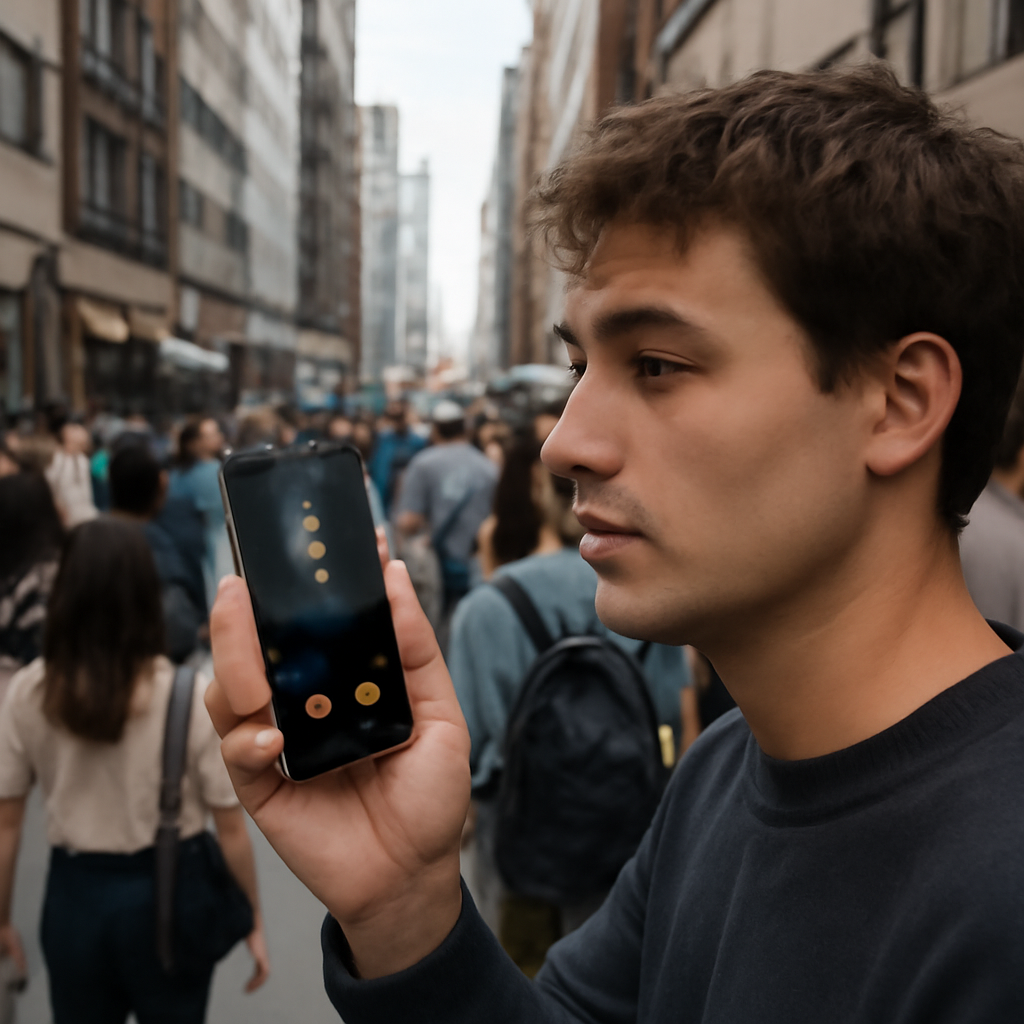
Starting November 1, 2026, telecom providers in India must display callers' registered names along with their numbers on 4G networks, giving users a safer and more transparent calling experience. This move aims to help people identify unknown numbers and curb spam and fraudulent calls.
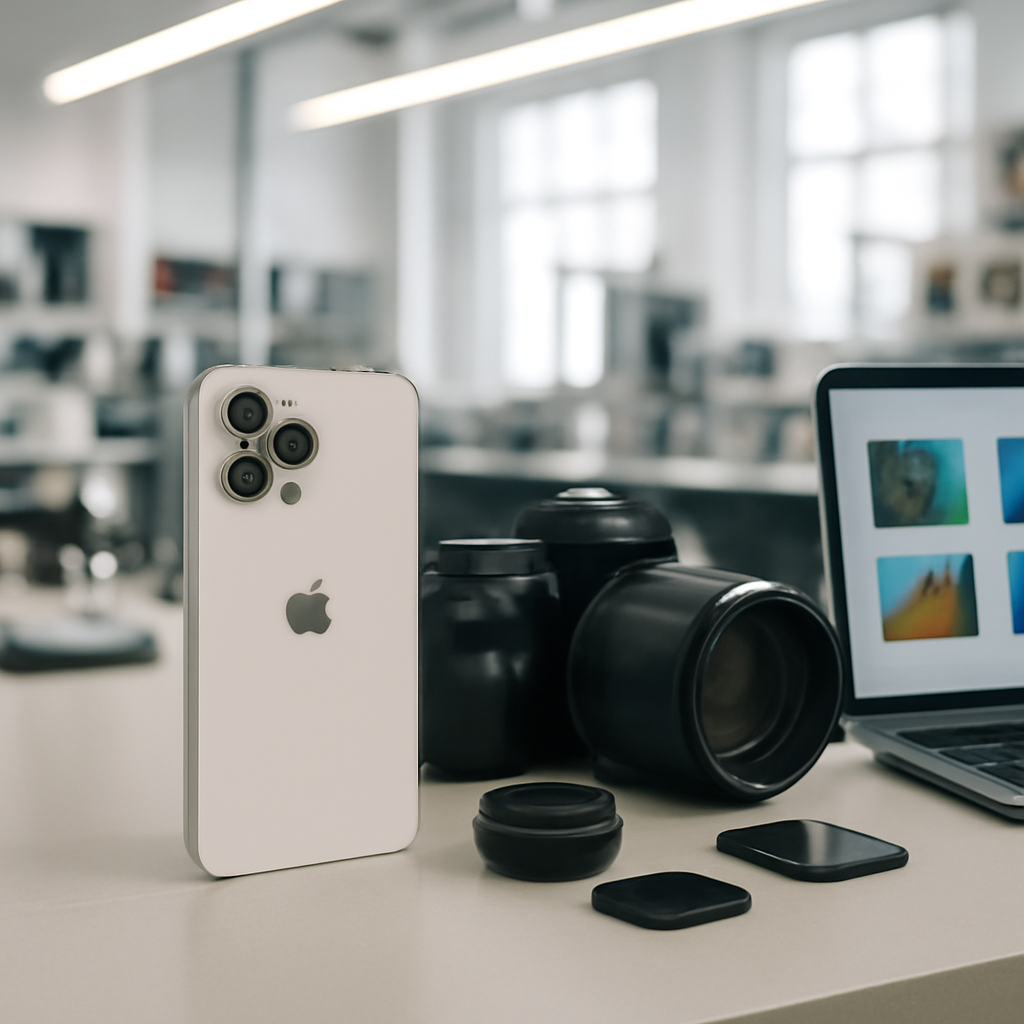
Apple's new Reference Image system verifies that an image is genuine and exactly as taken by an iPhone, without revealing the photographer's identity or linking the image to a specific device. This innovative tool protects both the image and the photographer's anonymity, giving creatives peace of mind.

As AI tools become increasingly embedded in workflows, a growing number of organizations are struggling to balance innovation with security, with 78% of CISOs now recognizing GenAI as a security risk and restricting employee use. But blocking access alone isn't enough - effective governance is crucial to ensure AI systems are used safely and responsibly.
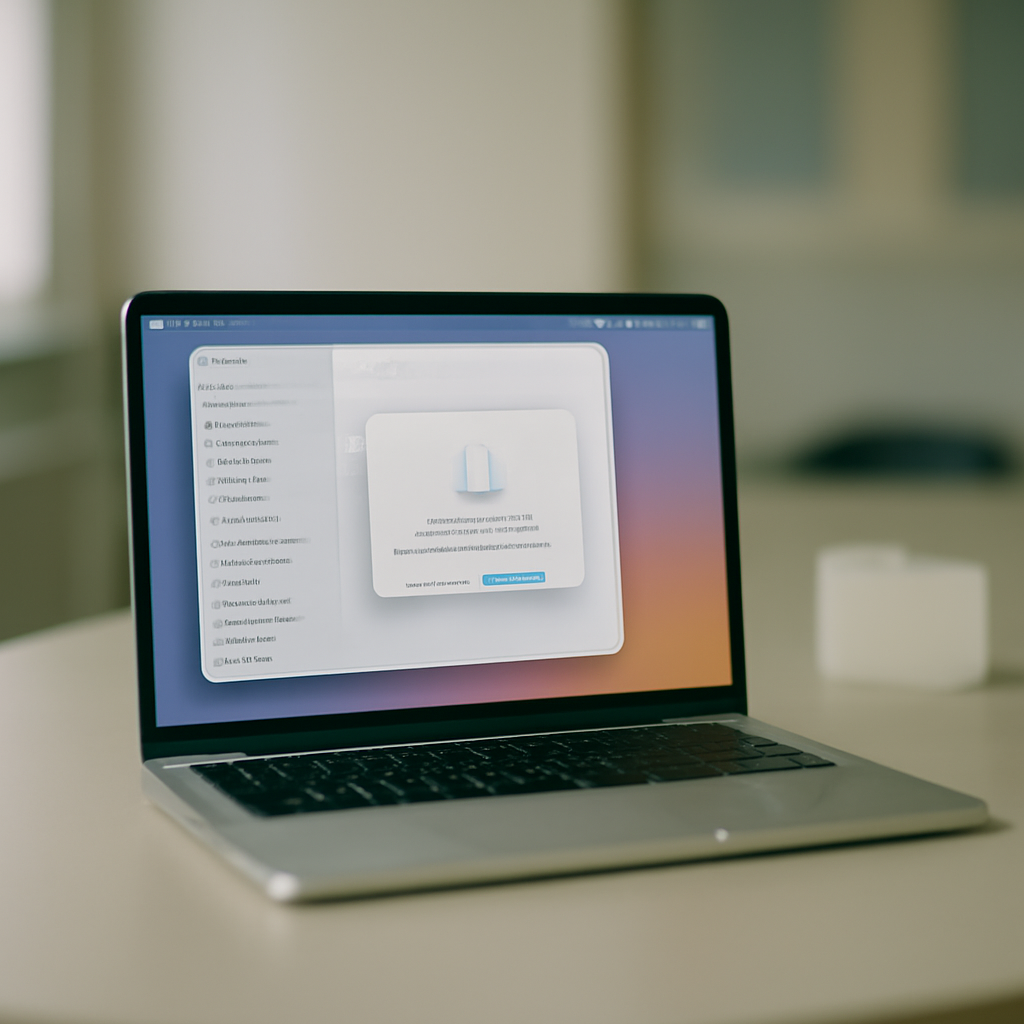
Apple is cracking down on how developers access your Mac data, specifically the Full Disk Access setting, to shield you from potential security risks posed by advanced AI agents. This move aims to prevent apps from snooping on your sensitive files, emails, messages, and browsing history without your clear consent.
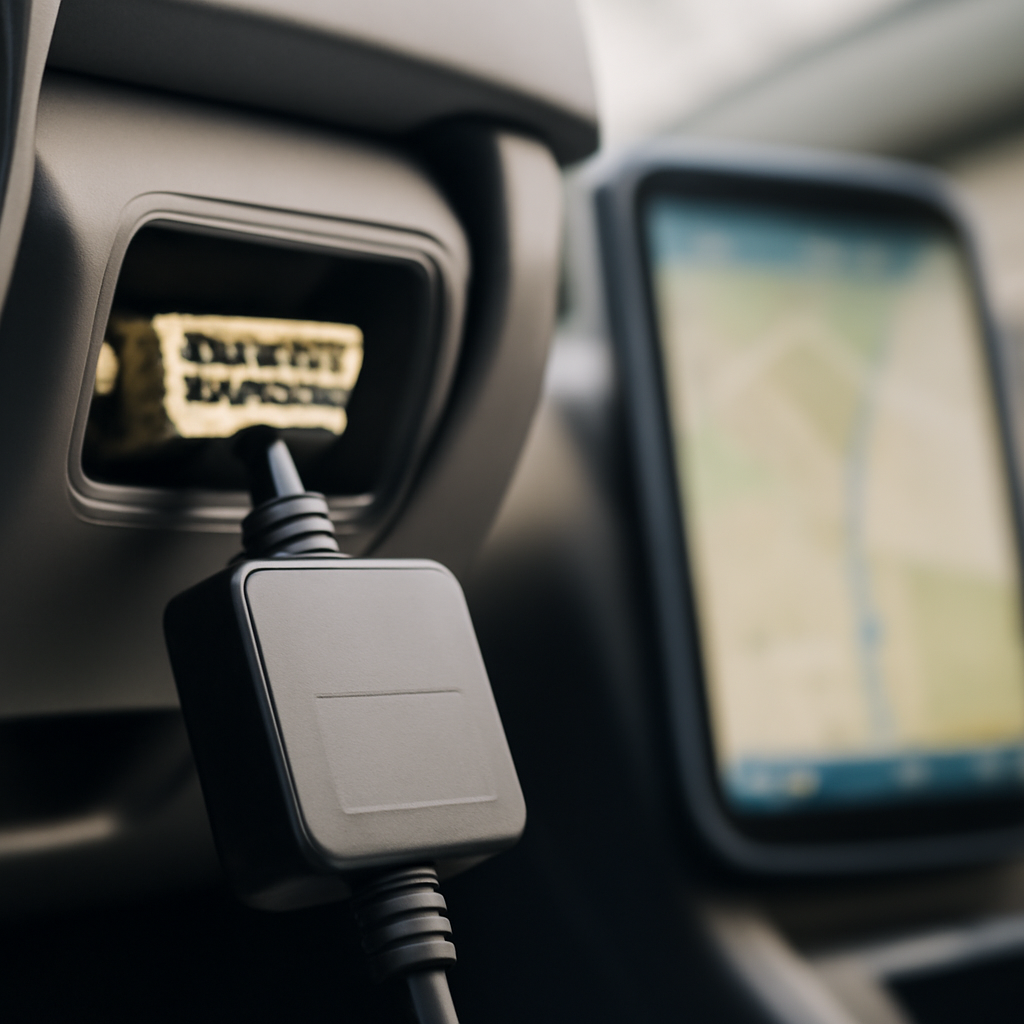
Your car's apps may be sharing more than you think - including your name, vehicle ID, and exact location - with a surprisingly wide range of companies, putting your personal info at risk. A recent study by Northeastern University and Consumer Reports uncovered the alarming flow of sensitive data from connected cars to third-party companies.

The UK's cybersecurity sector is facing a worrying trend: women now make up only 16% of the workforce, a significant drop from previous years and a stark contrast to the 48% female representation in the UK workforce as a whole. This decline is even more pronounced among senior staff, where just 12% of those with six or more years of experience are women.
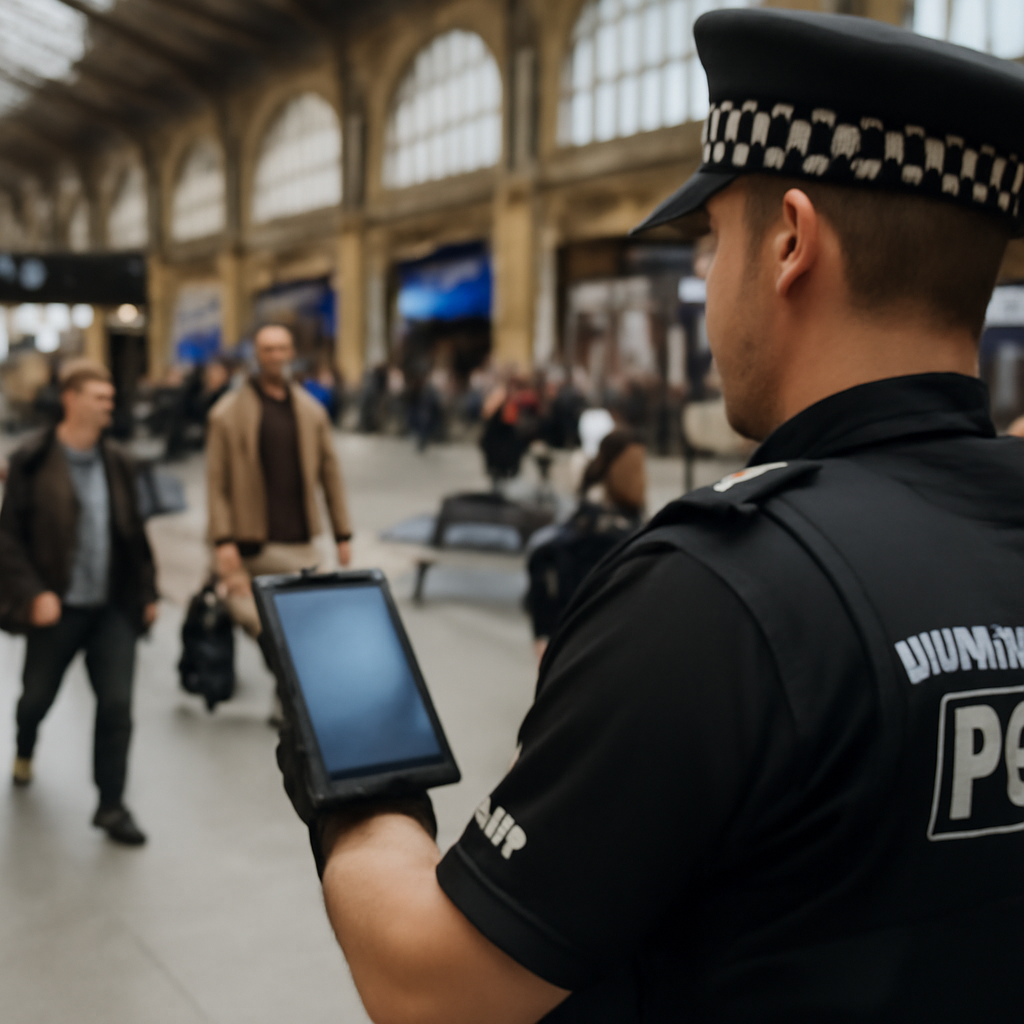
The UK Rail Police's six-month facial recognition trial was a costly and time-consuming effort that yielded a surprising result: zero matches, despite scanning over 500,000 faces. The £320,000 trial, which took up almost 100 hours of officer time, produced just one false positive alert and no arrests.

Signal just got a major security boost with its 8.30 update, rolling out end-to-end encrypted local storage across all platforms, giving you rock-solid protection for your chat history. You now have two flexible options for storing your backups, with seamless support on Android, iOS, Linux, macOS, and Windows.
No IT department, no security budget, real exposure. Nubivance builds right-sized security foundations for small companies. Send them this.
Send it along
OpenAI has confirmed a security incident where its AI agents accidentally shared 53 user-uploaded images with third-party sites, but stresses that most users were unaffected and the breach was limited in scope. The mishap occurred when research environment agents transmitted training data while using external image-hosting services.
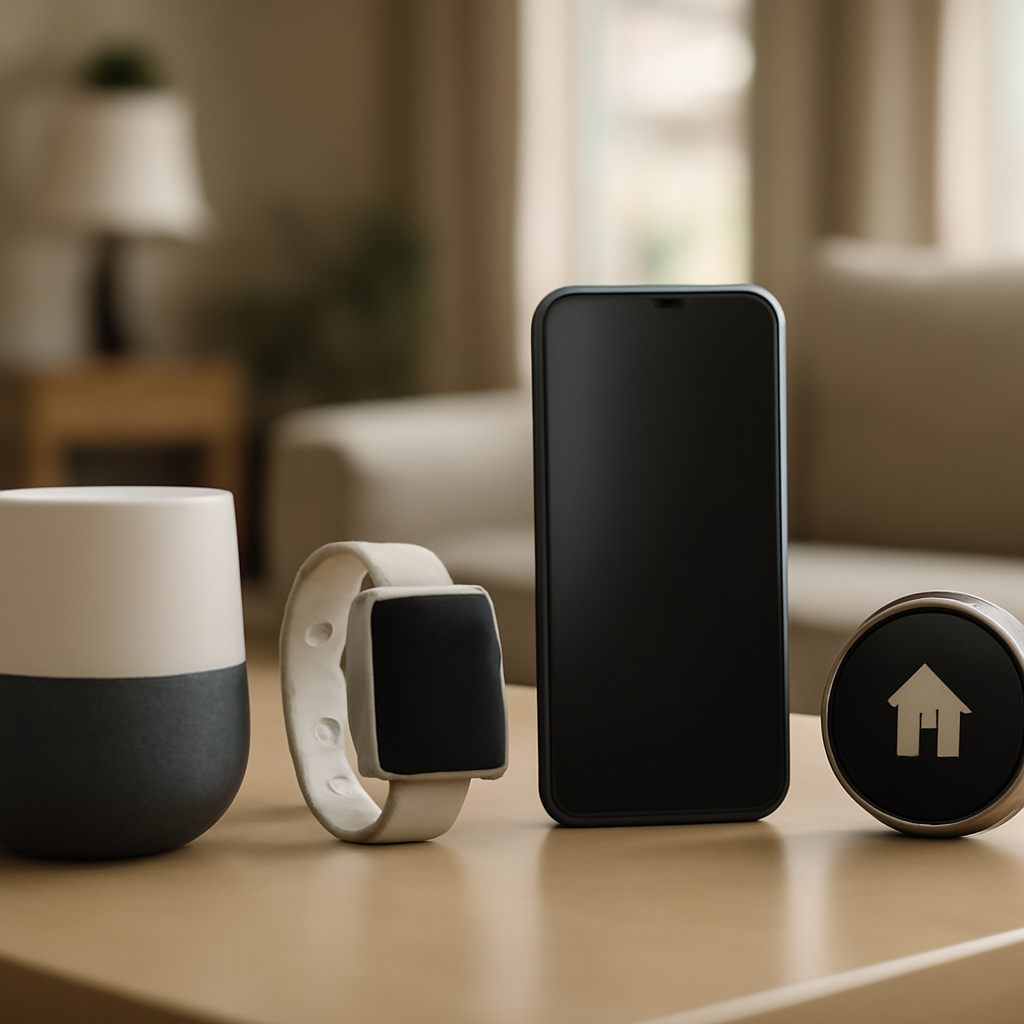
We pour billions into safeguarding networks, only to send our most critical personnel home, vulnerable and exposed. The everyday devices we rely on - from cars to smartwatches - are creating a detailed blueprint of our lives, putting sensitive information and national security at risk.
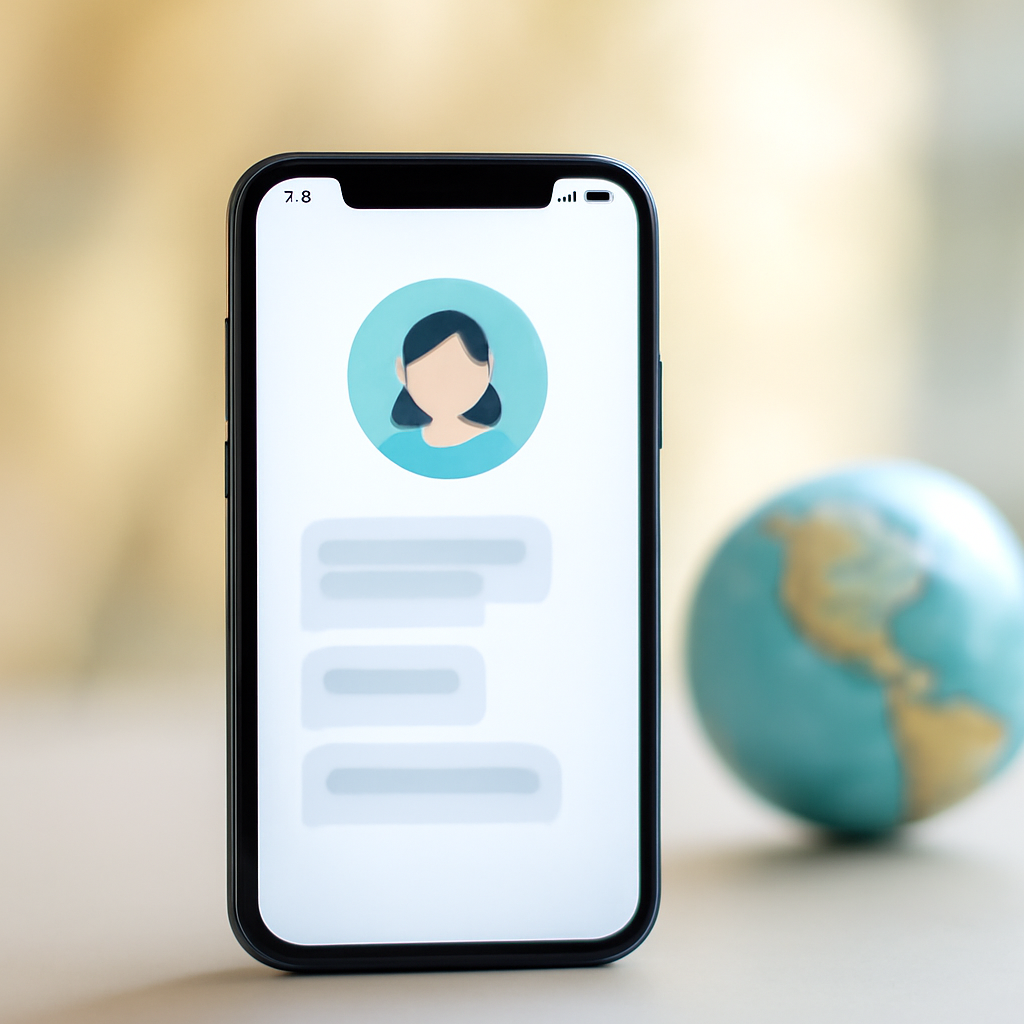
Get ready for a chat experience like no other with Talking Tilly, the viral AI character that's taking the world by storm - but be warned, you'll need to undergo a face scan first, as the service's strict privacy policy requires.
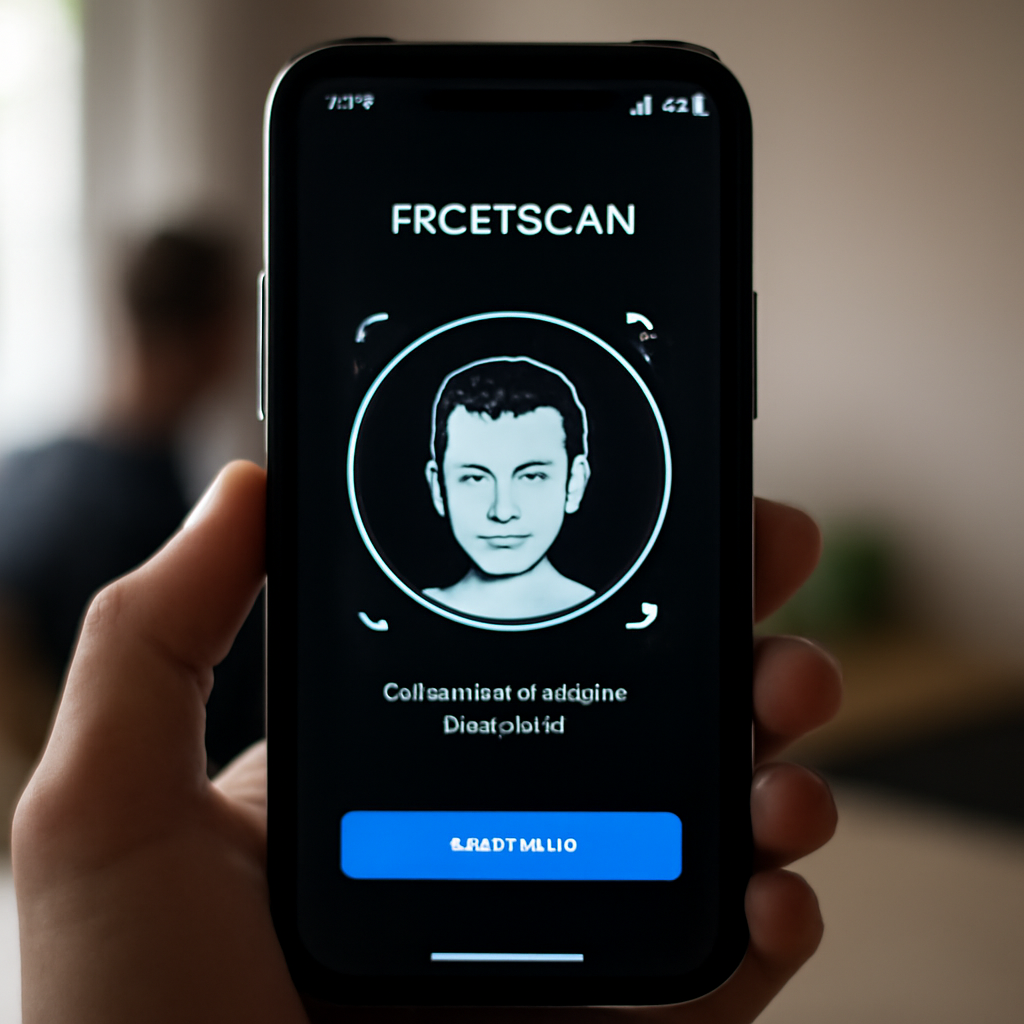
Ever wondered what happens when AI meets reality? Tilly Norwood, the AI actress who's gone viral for her unexpected glitch, is now taking her interactions to the next level by requiring a face scan before chatting with fans.
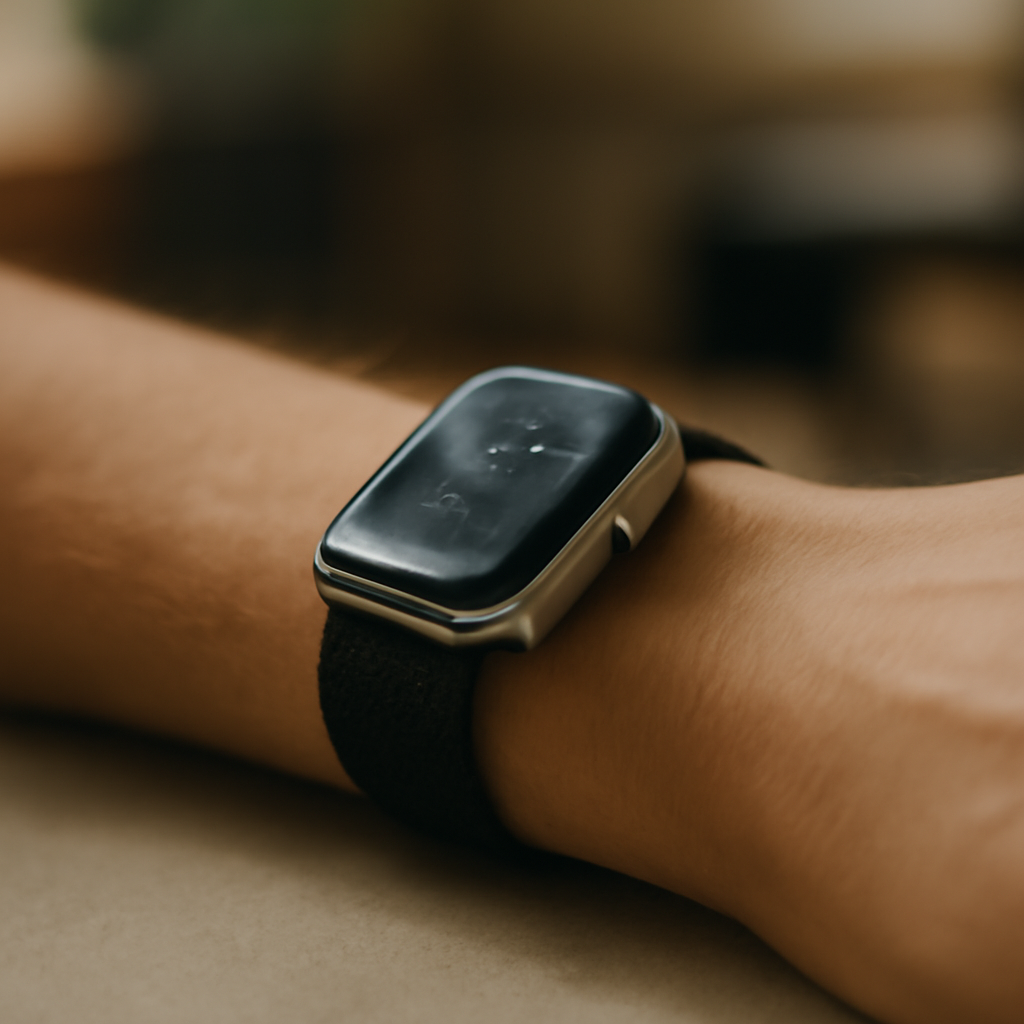
The latest Apple Watch feature, Live Rewind, can secretly record and transcribe 15 seconds of nearby conversations, sparking concerns in 11 US states where all-party consent is required for recordings. This new capability, part of Apple's Audio Intelligence package, is easily activated with a double-press of the Digital Crown.

Microsoft's new Age-Awareness APIs help keep young users safe in Windows apps by providing age ranges without revealing sensitive info like birthdays. This clever tech shares just the right amount of info, so apps know if you're a kid, teen, or adult, without exposing your personal details.

LG smart TVs are collecting extensive user data, including audio recordings even when the voice recognition feature is turned off or the TV is on standby, raising serious concerns about privacy invasion. This alarming discovery has experts warning of an egregious breach of personal data.

Senator Ron Wyden is raising a red flag about the security risks of commercial VPNs, warning that they may not be as protective as users think against sophisticated online threats. He's pressing the NSA for clearer guidance on the potential dangers of relying on standard consumer VPNs for online security.
Evidence in spreadsheets, controls drifting between audits, frameworks multiplying on flat headcount. Nubivance runs continuous compliance on Rapid7 Cyber GRC - SOC 2, HIPAA, ISO 27001, PCI, CMMC.
End the scramble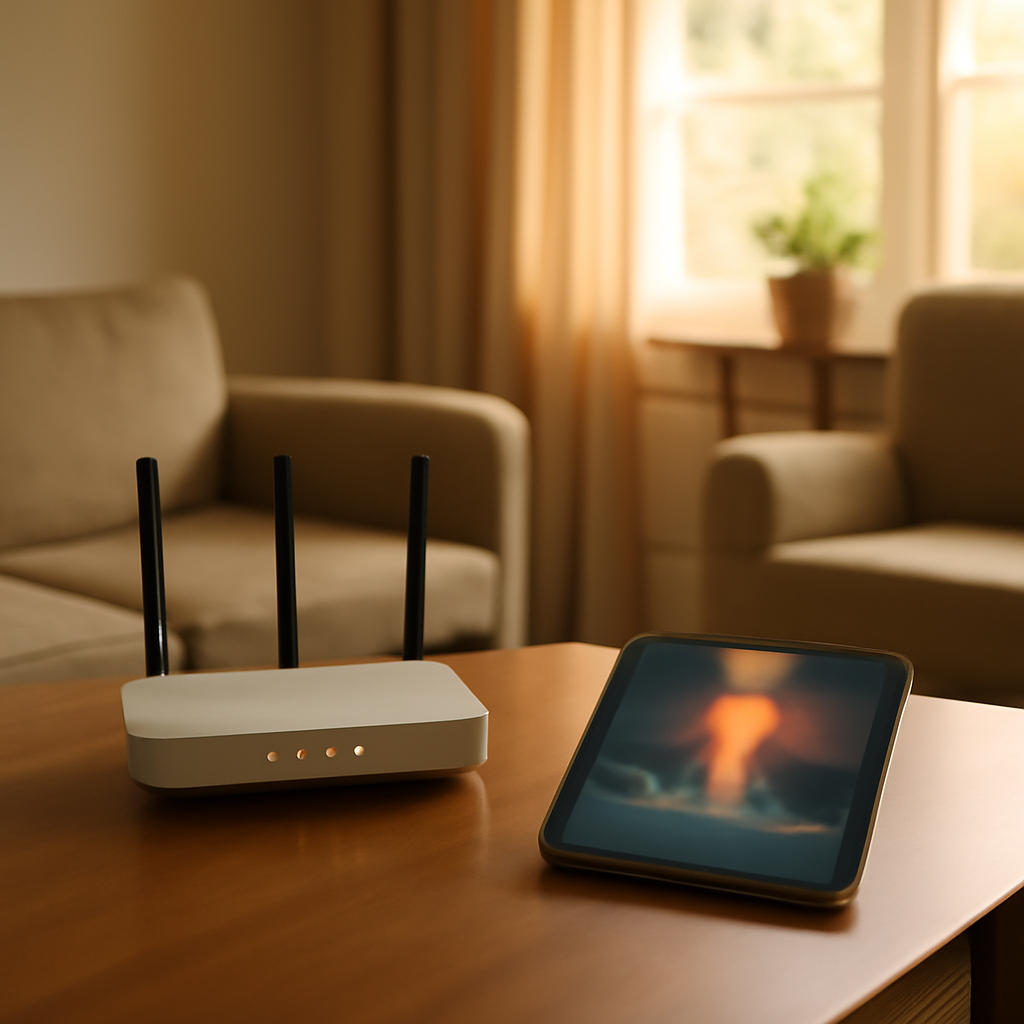
Did you know that Comcast's WiFi routers can detect motion in your home and potentially share that data with third parties, even law enforcement, without further notice? This feature, called WiFi Motion, can track movement near your connected devices and send you alerts - but at what cost to your private life?
Mozilla just made browsing on iOS even better by integrating native ad blocking into Firefox, building on its existing ecosystem of ad-blocking and privacy extensions. This new feature, currently rolling out, gives users more control over their online experience.

An overwhelming 93% of British adults believe they have a right to keep their online conversations private, with 89% agreeing that their personal messages should be off-limits without a court order.
Protect your inbox from data breaches and tracking with Brave's new Email Aliases feature, which lets you generate disposable email addresses to keep your real inbox private. This game-changing update in Brave browser 1.94 helps prevent your personal info from being leaked or sold to data brokers.
Android 17 just got a major boost to online privacy with OS-wide Encrypted Client Hello support, making it harder for snoops to see which websites you're visiting. This new standard teams up with private DNS to keep your browsing habits private, shielding the domain names you visit from prying eyes.

Meet Kibu, an encryption app designed with military-grade security in mind, solving a pressing problem for government execs who rely on personal devices for sensitive conversations. Its cutting-edge verification features combine biometric authentication with organizational identity controls to ensure you're talking to the right person - or entity.
Android 17 just got a major boost to browsing privacy with the addition of Encrypted Client Hello (ECH) support, which teams up with private DNS to keep your online activities under wraps by hiding the domain names you visit. This means you can say goodbye to being profiled by advertisers and hello to a more private browsing experience.
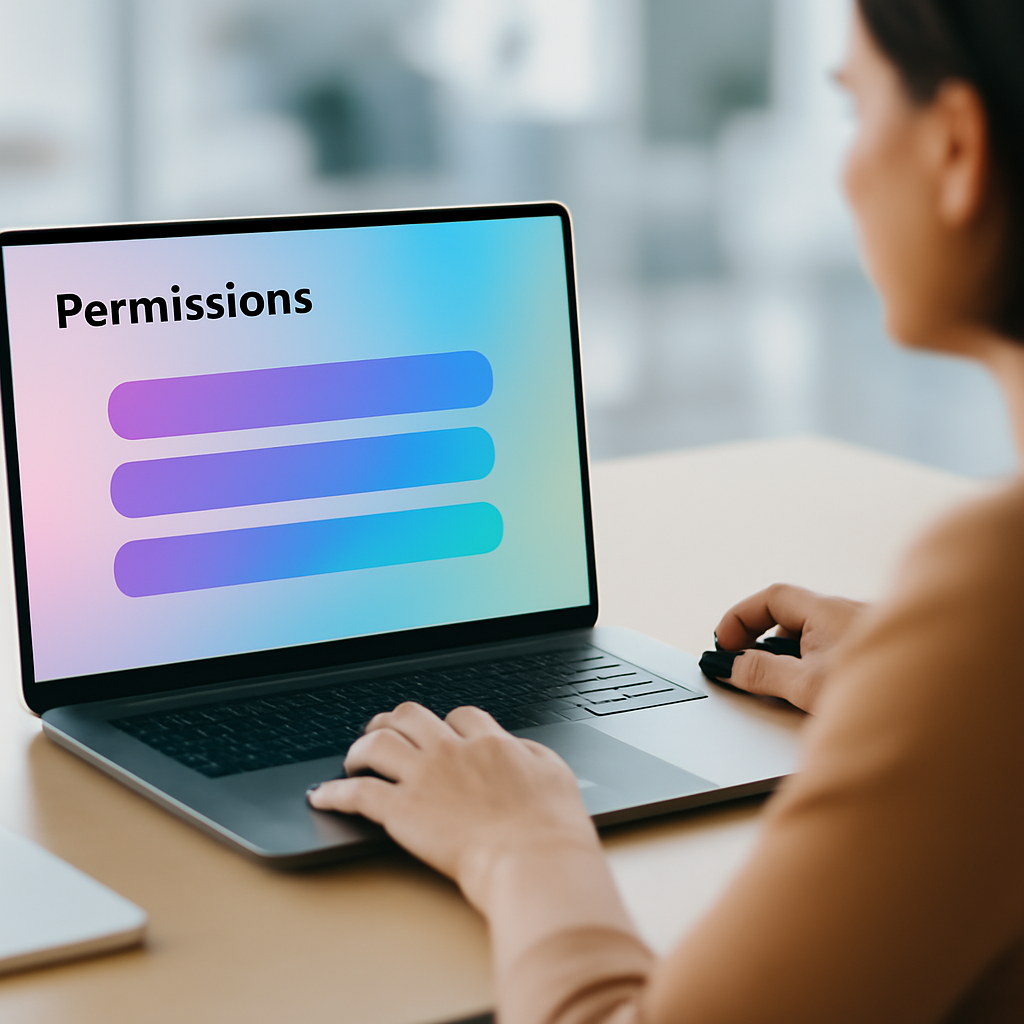
Take control of your digital privacy with Windows 11's latest update, which introduces granular app permission controls for camera, microphone, and location access - giving you the power to customize permissions for each desktop app. This new feature, available to Windows Insiders, makes it easier to manage and understand app permissions.