[SPONSOREDNUBIVANCE]
Know a small business winging it on security?
No IT department, no security budget, real exposure. Nubivance builds right-sized security foundations for small companies. Send them this.
Send it along
Japan is racing to harness the power of autonomous weapons to counter China's growing military presence, and is rapidly advancing its use of uncrewed platforms to stay ahead in the game. With new policies already in place and more on the horizon, the country is making a strategic pivot towards a more autonomous military.

With artillery at the forefront of modern combat, India's shortage of lethal firepower exposes a glaring vulnerability on the battlefield. The Indian Army's current 226 field artillery regiments, set to increase to 270, raise critical questions about preparedness in the face of evolving threats.

Bell and M1 are one step closer to winning the Army Flight School Next competition, advancing to the final phase where their rotorcraft will be put to the test in real flight conditions. The ultimate decision will be made by the Army's technical evaluation team, who will take to the skies to verify which aircraft meets the Aviation Center of Excellence's standards.
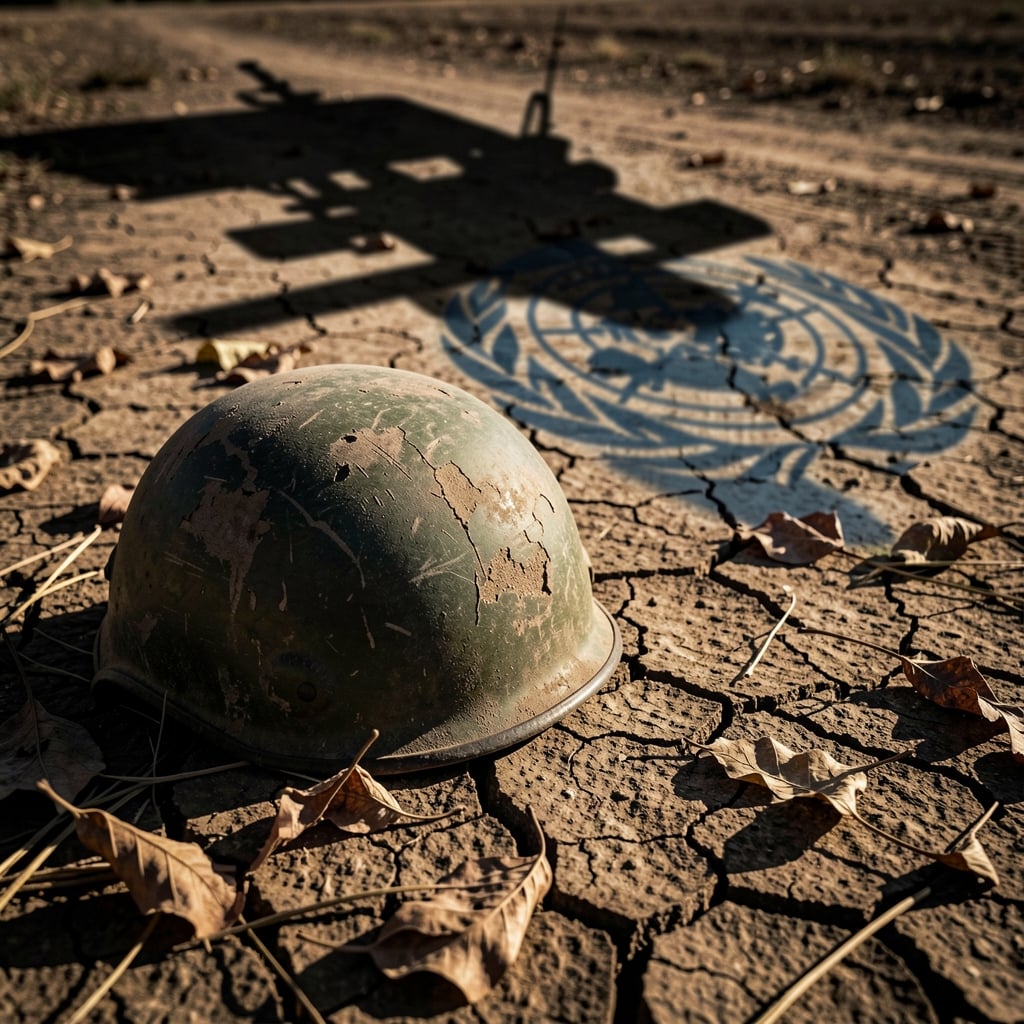
Indonesia's decision to withdraw from Lebanon's UNIFIL mission poses a critical risk: compromising its hard-earned peacekeeping credibility and inadvertently playing into the hands of the very global powers it seeks to resist. By choosing to leave, Indonesia would sacrifice its reputation as a reliable contributor to international peacekeeping efforts.

The US intelligence community may be pulling a clever double move, using public warnings about Pakistan's missiles as a smokescreen to distract from a far more pressing concern: the country's nuclear fuel cycle. Is a seemingly straightforward ICBM warning just a decoy, or is there more to the story?

When fuel supplies dwindle, governments face a tough decision: do they prioritize comfort or economic stability? Rationing fuel based on economic capability can help prevent wider system failures, but prioritizing comfort can undermine resilience.

As Iran's war crisis deepens, Pakistan's defence pact with Saudi Arabia - forged in peacetime - is being put to the ultimate test: can it withstand the pressures of war and live up to its promise of mutual defence? Signed in 2025, the Strategic Mutual Defence Agreement was meant to be a rock-solid guarantee that an attack on one is an attack on both.

A surge of private capital is flowing into defense firms, sparking hopes of a revolution, but experts warn that without aligned aims among stakeholders, this boom may fizzle out. Can the defense industrial base harness this influx of funding to drive innovation and growth, or will misaligned goals derail the momentum?
No IT department, no security budget, real exposure. Nubivance builds right-sized security foundations for small companies. Send them this.
Send it along
In a desperate bid to maintain its grip on power, Myanmar's junta relies on a clandestine network to keep its aircraft fueled and flying, delivering devastating air strikes on its own people. A recent investigation, From Tehran to Naypyidaw, exposes the shadowy supply chains that provide the regime's strategic lifeline: imported jet fuel.

The US Navy's sudden exit from the Persian Gulf, marked by the retirement of its last four minesweepers in September 2025, created a power vacuum that Iran quickly exploited by mining the Strait of Hormuz just five months later. This bold move sent shockwaves through global energy shipments, causing commercial tanker traffic to plummet and prompting a frantic rethink of naval strategies worldwide.

The Pentagon's Defense Innovation Unit is seeking cutting-edge "moving map" technology to revolutionize aircrew situational awareness, particularly for mobility aircrews flying older aircraft that predate modern digital tools. This innovative platform aims to bridge a critical technical gap, providing crews with reliable awareness of their surroundings.

As climate change melts the polar ice, the Arctic is transforming from a frozen wilderness, once home to polar bears and exotic marine life, into a rapidly emerging global security hotspot. This dramatic shift is unlocking new challenges and opportunities in one of the world's most remote and previously inaccessible regions.
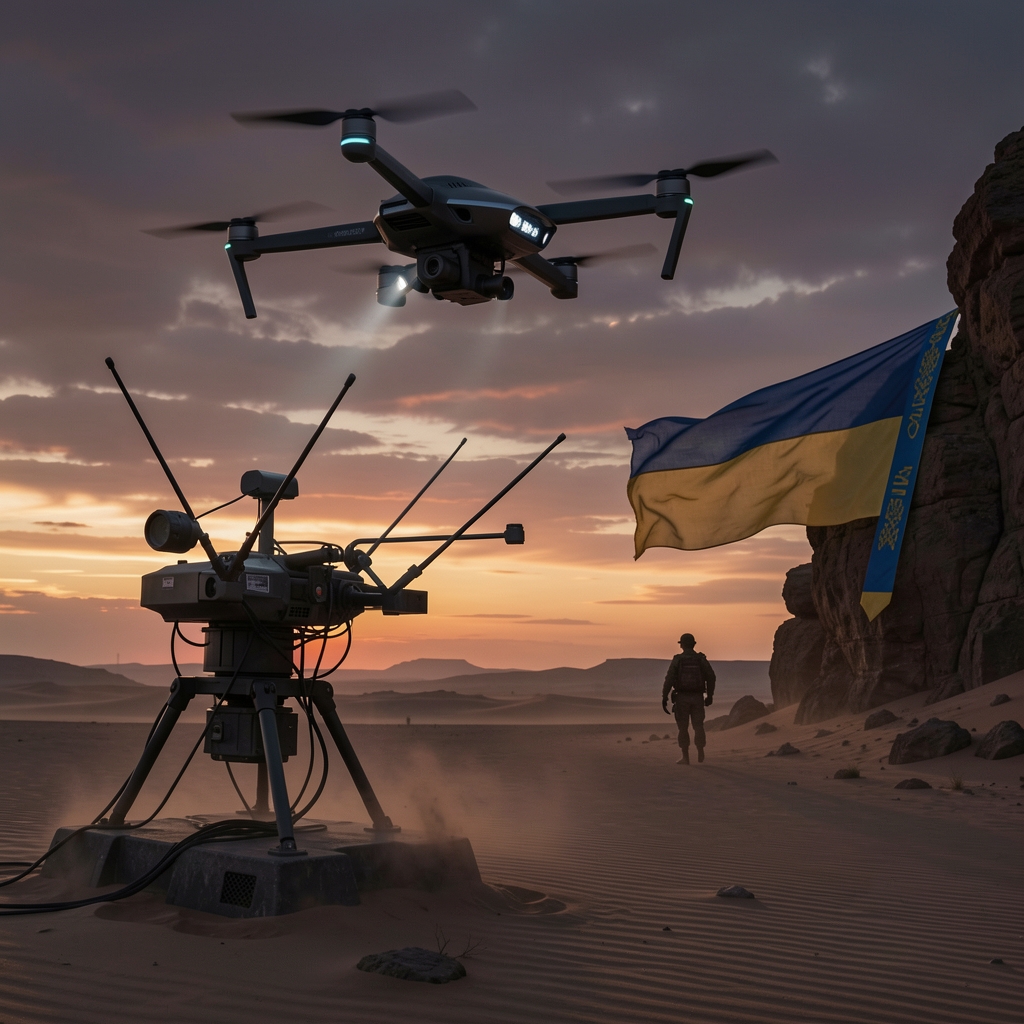
Ukraine is shaking up the defense landscape by offering affordable "drone killer" systems to Gulf States, with Ukrainian interceptors priced as low as $1,000 - a fraction of the multimillion-dollar missiles traditionally used to counter Iranian Shahed drones. This game-changing solution is being paired with on-the-ground expertise from Ukrainian specialists to help states overwhelmed by drone threats.

With Donald Trump's comments on Iran and the Strait of Hormuz sparking concerns, Australians are now faced with a pressing question: what does a potential US security guarantee gap mean for the country's fuel security and everyday life? As fuel prices continue to weigh on minds, the nation is holding its breath, wondering how bad things could get.

The US Army is revolutionizing battlefield data flows by integrating commercial data into its operations, marking a significant shift that combines government and commercial information streams. Through rigorous experimentation and adaptation, the Army has fine-tuned its approach, testing various pathways, APIs, and cross-domain solutions to achieve seamless and reliable data exchange.
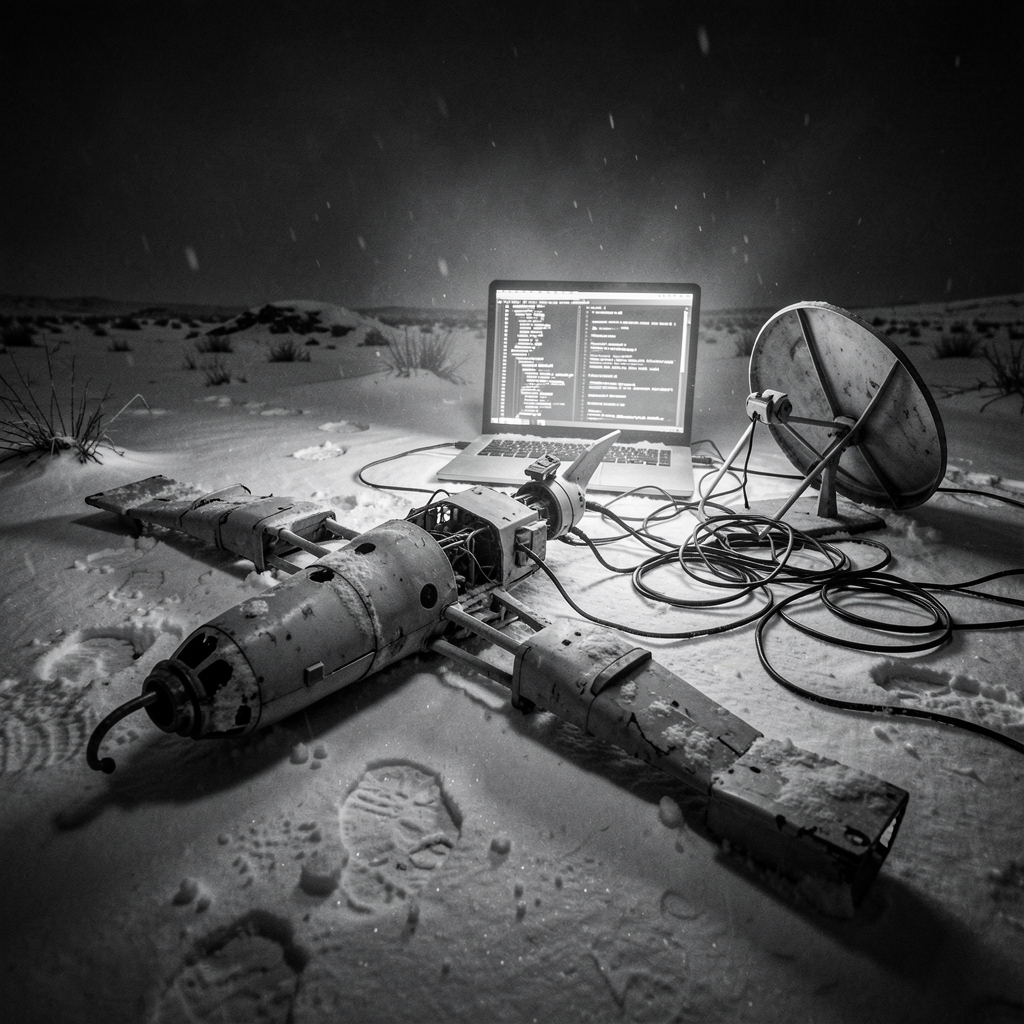
A shocking discovery has linked a Russian navigation module, first found in Ukrainian drones, to an Iranian drone that struck a British air base in Cyprus, revealing a surprising exchange of weapons technology between the two nations. This finding changes the game for battlefield testing and weapons development.
Full-platform Rapid7 rollouts - InsightVM, InsightIDR, event sources, agents, tuning - by a Registered Partner who has done it at state-agency scale, including OT/SCADA.
Talk deployment
Pakistan is taking a bold new stance against the Taliban, ramping up cross-border strikes in a direct bid to take down the group's leadership and disrupt its support for anti-Pakistan forces. By doing so, the country is sending a clear message: it will no longer tolerate threats from its neighbors and will take decisive action to protect its interests.

House Democrats are pushing back against Immigration and Customs Enforcement's use of Paragon spyware, demanding more answers after the agency's explanations fell short. The lawmakers' concerns highlight growing tensions over law enforcement's use of controversial hacking tools.

Greece and Israel are taking their strategic partnership to the next level with a game-changing $750 million deal for Elbit's advanced PULS rocket artillery systems. This significant arms purchase cements their growing defense ties in the Eastern Mediterranean.

India's quest for a cutting-edge fighter jet is heating up, with a potential new partnership with France emerging as a frontrunner after its withdrawal from the Russian Su-57 program. Could the Next Generation Fighter be the key to unlocking India's future air power ambitions?

As global security dynamics shift, the US and Australia are strengthening their alliance, sparking debate about sovereignty and cooperation. But what do the frameworks governing this relationship really mean for Australia's future and its partnership with the US?

China just took a major leap in naval tech with the unveiling of its upgraded Type 056C Corvette, boasting advanced radar capabilities typically found on larger frigates. Two of these cutting-edge ships have already launched, with one set to be commissioned in Cambodia on April 8.

As China deepens its ties with Timor-Leste, Canberra must act with caution to safeguard regional security and protect its influence - but how should it respond to this growing challenge? Australia needs to strengthen its relationship with Dili and carefully monitor China's expanding interests in Timorese waters.
