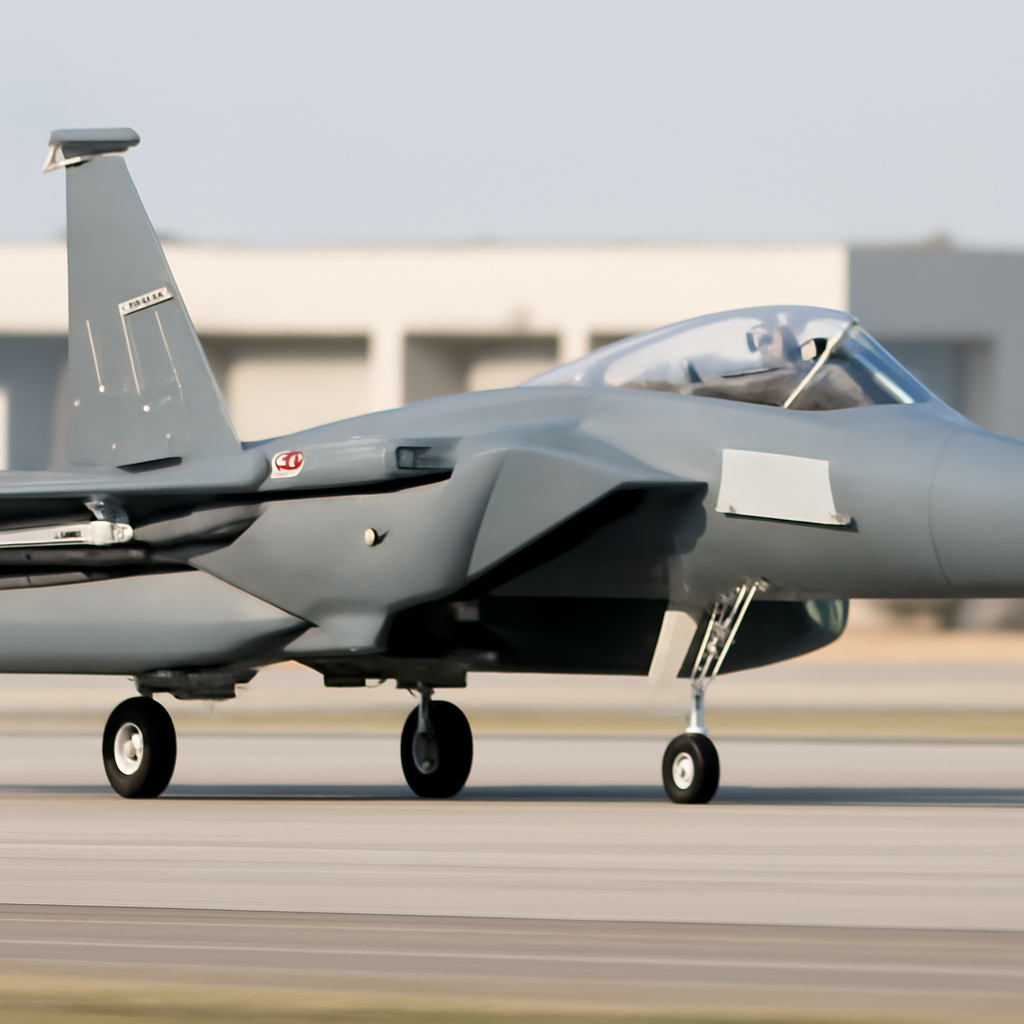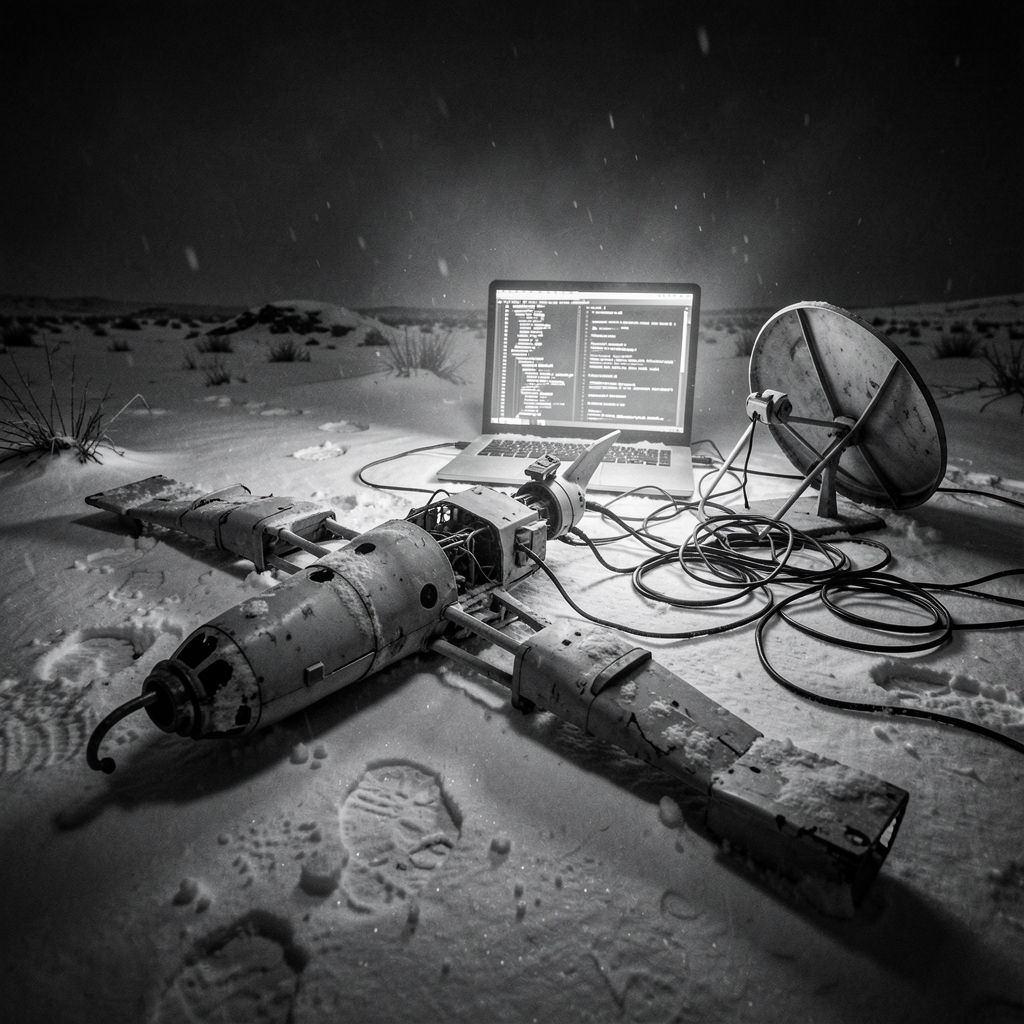
What does it mean when a navigation module first recovered over Ukraine turns up inside a drone that struck a British air base in Cyprus? The short answer: evidence of a reciprocal weapons-technology flow between two states that changes how battlefield testing and weapons development are conducted.
What was found and where
A Russian Kometa-B navigation module — first found in drones over Ukraine in December 2025 — has been recovered from an Iranian Shahed that struck RAF Akrotiri in Cyprus on 1 March. The recovery links a specific Russian-made component to an Iranian-manufactured platform involved in an attack on a British facility in Cyprus.
How the discovery reframes a relationship
The recovered module has been interpreted as confirmation of a bidirectional technology pipeline. In that dynamic, Iran provides the Shahed platform; Russia uses it to stress-test systems against Ukrainian air defences; and the improvements gleaned from those tests flow back to Tehran for use in operations targeting the United States and Gulf states. The sequence described — platform provision, battlefield stress-testing, and feedback-driven improvement — is the core claim arising from the Kometa-B identification.

This site is the portfolio.
OSINTSights runs on Cloudflare Workers, D1, R2, and Vectorize, with an AI pipeline on Hetzner ARM. Nubivance designed, built, and operates it. We do the same for clients.
See what we buildWhy this matters
Technologists and analysts will see the Kometa-B recovery as concrete linkage between components and platforms, demonstrating how hardware provenance can illuminate operational partnerships. For policymakers, the finding reframes conversations about proliferation and allied defense planning by tying battlefield data-gathering to downstream effects on other theaters. For operators and potential targets, the chain — platform, battlefield testing, and returned improvements — signals a process through which capabilities can be matured outside formal testing environments. The discovery thus serves as an evidentiary touchstone for anyone tracking how weapons systems evolve in active conflict.
What to watch next
The recovered Kometa-B module provides a snapshot of a process: transfer of platform, real-world testing, and iterative improvement. Whether the datapoint will prompt changes in interdiction, export controls, forensic tracking, or defensive postures remains an open question. The essential risk is that battlefield testing in one theater can yield improved tools for use in others — a cycle made visible now by a single recovered component.