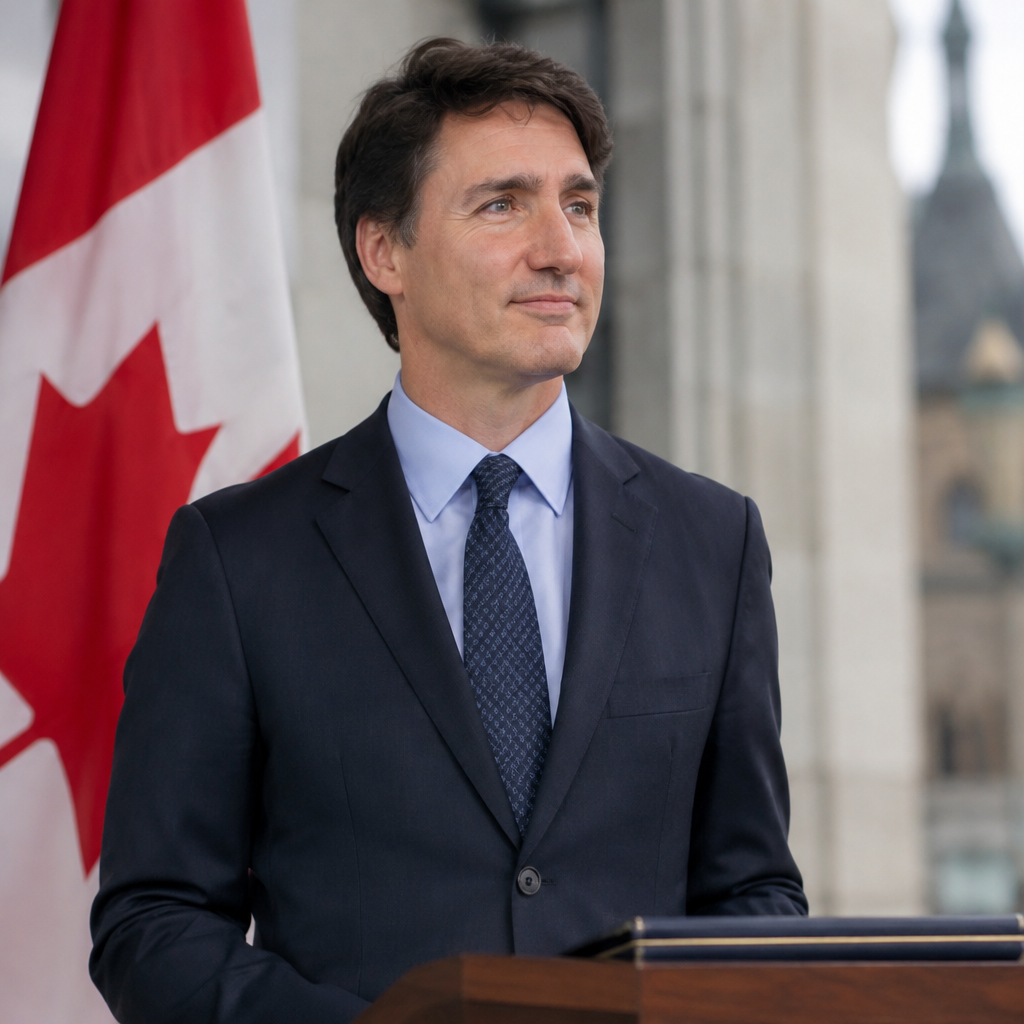
"Canada stands at a hinge moment in history," Canadian Prime Minister Mark Carney said in announcing a new national security strategy that Ottawa says is focused squarely on sovereignty — the country's first such document in more than 20 years.
Mark Carney’s framing: sovereignty, contested borders, and a rules-based past
Carney framed the strategy in stark terms: the world is now "increasingly defined by contested borders, authoritarian aggression, and acute global threats," and Canada can no longer assume that geography, interconnectedness, and a rules-based international order alone will protect it. The document, released today, repeatedly foregrounds control of national destiny as its organizing theme and argues for building Canadian sovereign capacity across economic, diplomatic and military lines.
Economic priorities: generational investments and a "dense web" of trade
The strategy sets economic strength as a national-security imperative. Carney said Ottawa will "build long-term economic strength through generational domestic investments" and will "develop a dense web of trading relationships that bolster our strategic capabilities." The strategy labels an "innovative" Canadian economy a core priority and links domestic investment and trade diversification directly to sovereignty.

Audit-ready is a season. It shouldn't be.
Evidence in spreadsheets, controls drifting between audits, frameworks multiplying on flat headcount. Nubivance runs continuous compliance on Rapid7 Cyber GRC - SOC 2, HIPAA, ISO 27001, PCI, CMMC.
End the scrambleDiplomacy and partnerships: practical cooperation and global diversification
Alongside an emphasis on North American relationships, the document stresses a global approach. Carney wrote that Canada will "focus our diplomatic efforts on practical cooperation and partnerships that will help us influence the course of global events to serve the interests of Canadians." He also said Canada will "broaden our options and build our resilience by diversifying our economic and security ties around the world, including with new partners in the Middle East, Africa and elsewhere."
Military posture: rebuilding, rearming, reinvesting and the F-35 timeline
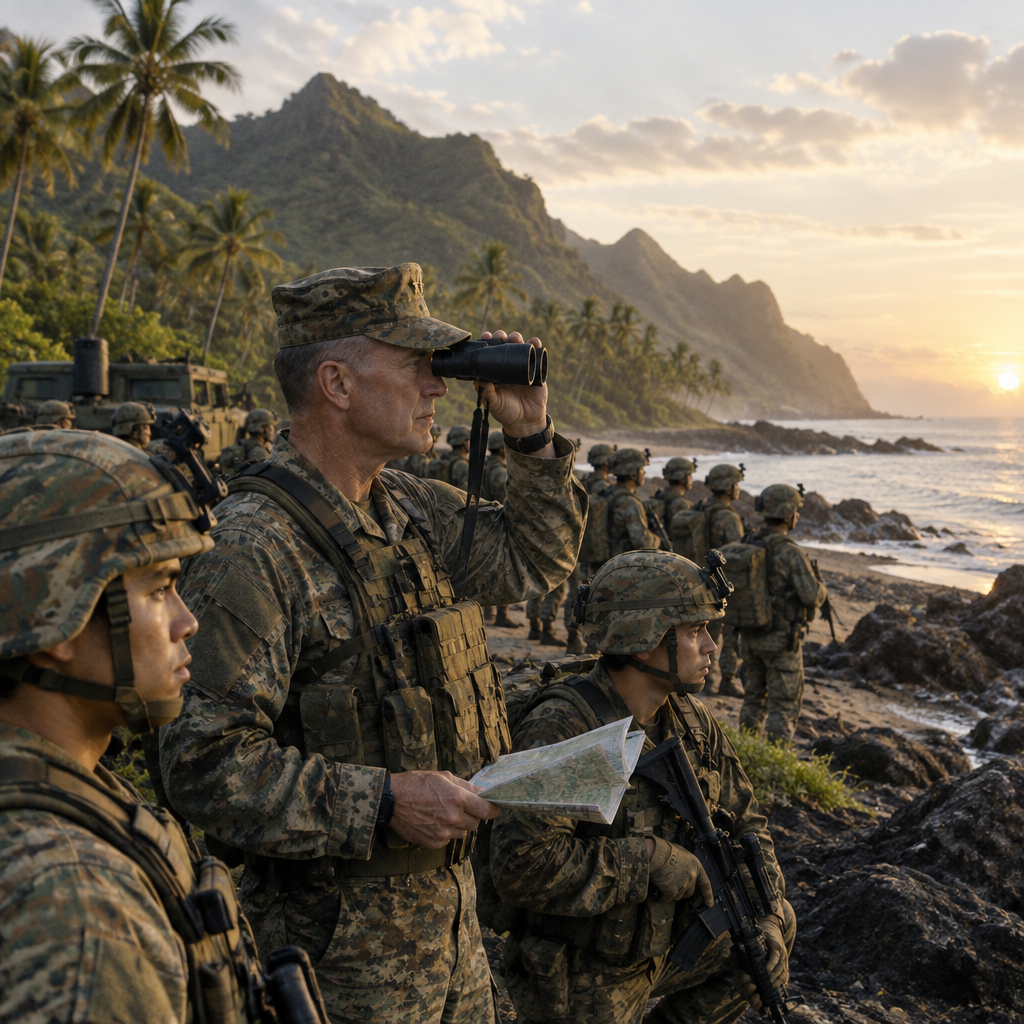
The new strategy explicitly commits to "rebuild, rearm, and reinvest in the Canadian Armed Forces." The announcement comes less than a week after Canada received its first two F-35 fighter jets on Friday. Ottawa originally planned to purchase 88 of the aircraft but placed a hold on that plan in March 2025 — shortly after Carney assumed office — citing trade disputes and rhetoric from President Donald Trump about Canada becoming the 51st U.S. state. To date, Canada has purchased 16 F-35 aircraft.
Relations with the United States: "cooperative, clear-eyed" and current tensions
The strategy underscores a desire for a "cooperative, clear-eyed relationship" with the United States while acknowledging existing friction: it is published "amid tension" over trade negotiations between the two neighbors. The document and Carney’s messaging suggest Canada intends to pursue both cooperation and independent capacity. Separately, the source notes that President Trump has reiterated his intention for Canada to join the United States as recently as this month, and that Trump said today during a campaign rally in South Carolina that Ottawa has treated the U.S. "extremely nicely recently," Reuters reported.
What this means for the Canadian Armed Forces, trade negotiators, and diplomats
- Canadian Armed Forces: The strategy commits to rebuilding and reinvesting in force structure. The recent F-35 deliveries — two jets received less than a week ago and 16 purchased to date — underline that procurement choices will be an immediate measure of the military component of this policy.
- Trade negotiators and economic planners: The pledge to make "generational domestic investments" and to create a "dense web of trading relationships" signals an active push to diversify partners and reduce single-point dependencies; trade talks with the United States will therefore be navigated alongside efforts to expand ties in the Middle East, Africa and elsewhere.
- Diplomats: The strategy moves diplomacy toward "practical cooperation and partnerships" intended to let Canada "influence the course of global events" — a program likely to prioritize concrete, capability-building ties rather than solely normative or alliance-based approaches.
Canada last published a national security strategy in 2004; this document represents a deliberately forward-leaning reprise that shifts emphasis from passive reliance on geography and rules to active national capacity across economics, diplomacy and defense. The text lays out clear priorities and near-term actions, but it leaves implementation as the next, decisive measure: whether generational investment plans, diplomatic diversification, and military procurement decisions will materially change Canada's strategic posture remains to be seen.
Original story: https://breakingdefense.com/2026/10/canada-unveils-first-national-security-strategy-in-more-than-20-years/