Deployment plan: Victoria Underground, rotating cameras, and the November end date
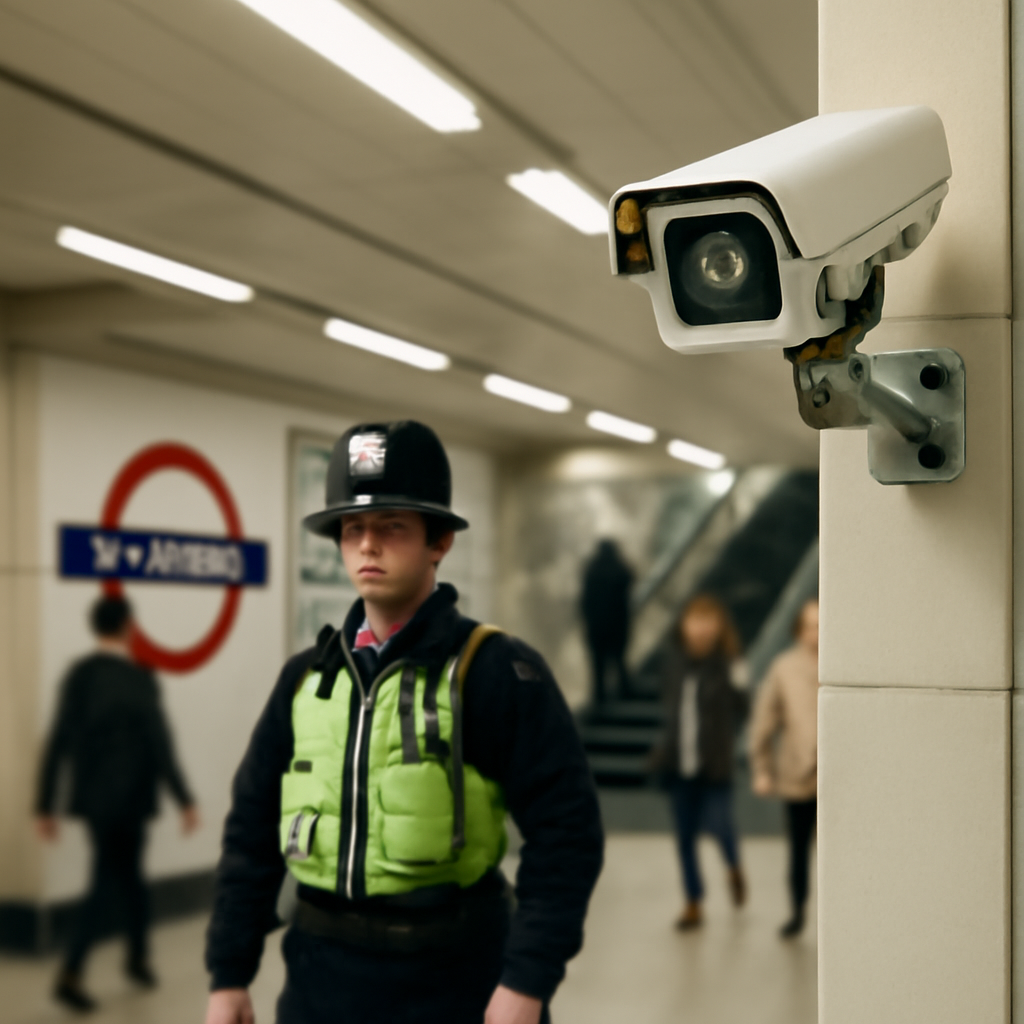
BTP will start Tube deployments at Victoria Underground station and then rotate the cameras between Underground and Network Rail stations for the duration of the trial. The force describes the exercise as an assessment of the technology in a different transport environment from earlier trials. The trial has a set end point in November.
The scale of the environment is consequential: the London Underground network is estimated to handle more than 3.7 million passenger journeys a day on weekdays, underscoring how many faces could pass within camera view during the trial.
How the system operates: watchlists, alerts and officer review
Live facial recognition scans faces within a camera's field of view and compares them with a police watchlist. When the system finds a possible match it generates an alert; an officer must then review the alert before deciding whether further action is warranted. That human review step is part of the deployment model the BTP describes.
BTP says the technology in use relies on the NEC NeoFace M40 algorithm, which "appears to be the same across several forces," according to the reporting. The force refers to the algorithm by name as the core software component of the current deployments.

This site is the portfolio.
OSINTSights runs on Cloudflare Workers, D1, R2, and Vectorize, with an AI pipeline on Hetzner ARM. Nubivance designed, built, and operates it. We do the same for clients.
See what we buildCivil libertarians and documented error patterns
Critics described the expansion as intrusive and dystopian. Silkie Carlo of Big Brother Watch warned the move will "capture millions of innocent people's faces" and contrasted its routine use with environments "you might expect in China, but not in a democracy." The source notes that errors have already produced cases in which innocent people were mistaken for criminals and detained, and that members of ethnic minorities appear to be more at risk of being misidentified by facial algorithms.
Public sentiment: Opinium survey of 2,000 UK adults commissioned by Face Int
An Opinium poll of 2,000 UK adults, commissioned by facial recognition firm Face Int, found that 69 percent believed the public should have a say in how the technology is used. The survey also recorded that 61 percent worried errors could get people into trouble for things they had not done, while 57 percent were concerned about how facial images were stored.
How British Transport Police, the Metropolitan Police, and passengers are affected
- British Transport Police: BTP frames the trial as operational testing. The officer responsible for the project, chief superintendent Chris Casey, said expanding into London Underground stations "will help us assess the technology in a different transport environment while continuing to refine how it is used across the railway network." When asked about public concerns a BTP spokesperson pointed reporters to Casey's comments and emphasized the force's stated priorities.
- Metropolitan Police: Other forces are pursuing similar steps. The Metropolitan Police will start using face-scanning cameras in London's West End and Soho by the end of this year after a six-month pilot in Croydon, indicating parallel deployments beyond the railway network.
- Passengers and the public: BTP says images of anyone who does not match an authorized watchlist are deleted "immediately and permanently." The reporting adds a cautionary note: "Whether that remains the policy in future is another matter, of course." Meanwhile public concern about errors and storage is reflected in the Opinium survey numbers cited above.
BTP stresses operational aims alongside legal and procedural framing. In his public comments, chief superintendent Chris Casey said: "Our focus remains on protecting the public, preventing crime and bringing offenders to justice, while ensuring the technology is used lawfully, proportionately and transparently." Opponents point to documented misidentifications and disproportionate impact on ethnic minorities as reasons the expansion is contentious.
The trial will proceed through rotating deployments until November, leaving a set window for the force to test the NEC NeoFace M40 algorithm in the Tube environment while public debate and survey data continue to highlight questions about accuracy, storage and consent.