Tag: civil liberties
87 articles
Bipartisan Retail Theft Bill Sparks Surveillance Fears
A bipartisan bill aimed at tackling organized retail theft has sparked fears of a massive surveillance network, with critics warning it could have far-reaching and alarming consequences. The Combating Organized Retail Crime Act would create a new coordination center within ICE's Homeland Security Investigations division.
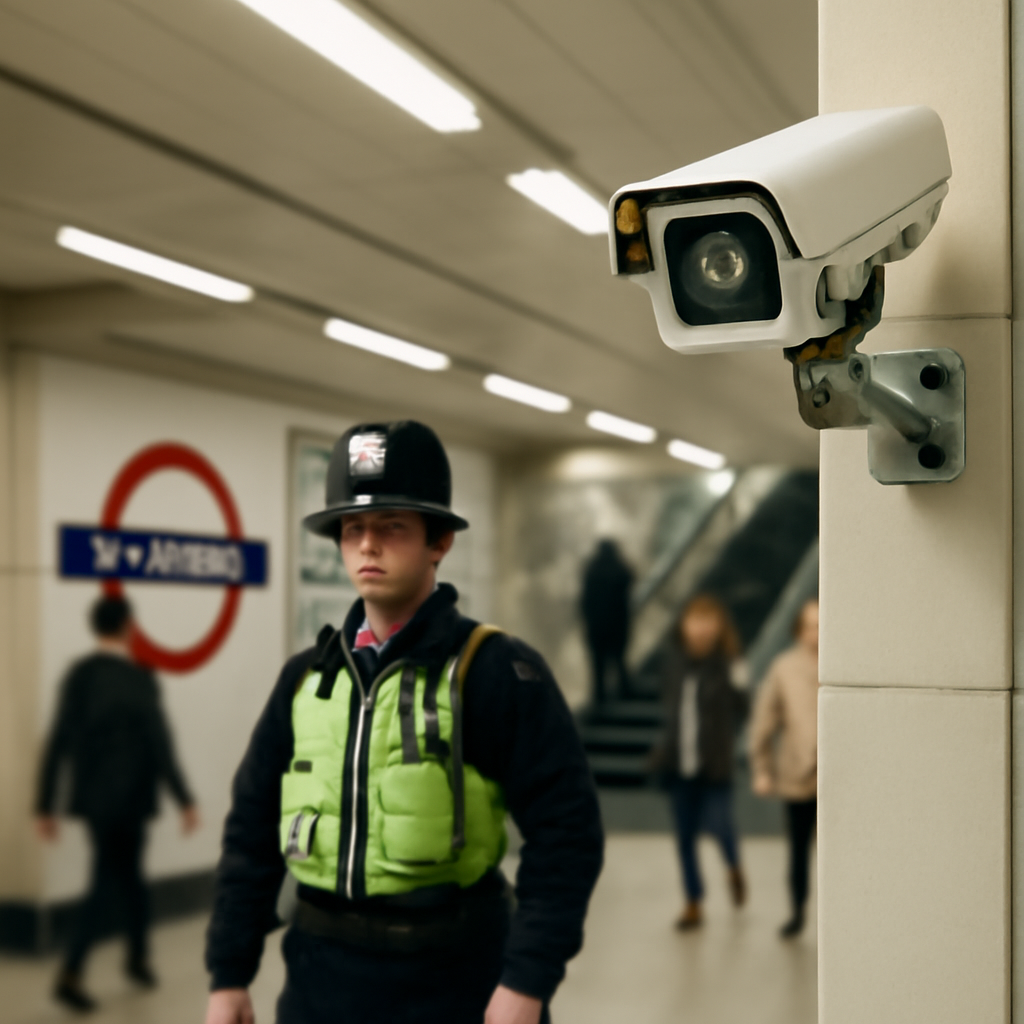
British Transport Police Deploys Live Facial Recognition on London Underground
The London Underground has become the latest testing ground for live facial recognition, with British Transport Police rolling out the technology at Victoria station, sparking concerns that millions of innocent faces will be scanned. This move has civil liberties groups sounding the alarm, with Big Brother Watch director Silkie Carlo calling it a "disturbing and dystopian" expansion.
Court Rules Against Trump's Voter Database, Orders Dismantling
A federal judge has ruled that the Trump administration's national voter database violates multiple federal laws and threatens American citizens' right to vote, ordering it to be dismantled immediately. The database, known as the modified SAVE system, was found to be arbitrary, capricious, and in excess of statutory authority.

UK Age-Gating Plans Threaten Internet Openness, Privacy Groups Warn
Privacy groups, including EFF and Mozilla, are warning that UK age-gating plans could threaten the openness and freedom of the internet, stifling opportunities for individuals, businesses, and society as a whole. The proposed measures have sparked a joint public pushback from leading advocates for civil liberties and online rights.

Wyden Warns of Alarming Section 702 Surveillance Abuse
Senator Ron Wyden is sounding the alarm about a secret law tied to Section 702 surveillance, warning that it poses a significant threat to the privacy rights of Americans. He has been pushing for years to declassify the matter, but so far, his efforts have been met with resistance.

CISA 2015 Extension: Exclusive, Welcome Short-Term Relief
Good news: the Cybersecurity Information Sharing Act’s short‑term extension buys defenders breathing room and keeps automated threat‑sharing pipelines running. But it’s only a temporary patch, leaving legal uncertainty, oversight concerns, and the need for a durable, modern solution unresolved.

Uncle Sam Demands DNA: Exclusive, Troubling Iris Scan
The Department of Homeland Security is proposing to collect iris scans, facial photos and cheek‑swab DNA from immigration applicants — and in some cases from U.S. citizens linked to those cases. Critics say the invasive move raises serious privacy, security and mission‑creep concerns, especially given the irreversible nature of biometric and genetic data.

Metropolitan Police Stunning facial tech proven effective
The Metropolitan Police say live facial recognition deployments across London led to 962 arrests — a headline-grabbing claim that suggests real operational impact. Supporters call it a breakthrough, while critics warn it raises serious questions about bias, privacy and oversight.

Digital ID Exclusive: Dangerous Drawer-Style Privacy Risks
Think one tap, instant access — the UKs Digital ID is being sold as pure convenience. But that simplicity could hand the state a master key to private lives, concentrating power and inviting mission creep.

social media surveillance: Shocking Risk to Free Speech
Imagine a government tool meant to spot foreign threats quietly sweeping up Americans’ posts and using those snippets to deny visas, jobs, or the right to return — now three unions, backed by the EFF, are suing to stop a program they say chills speech, lacks transparency, and lets algorithms punish dissent without due process.

social media surveillance: Stunning, Risky Threat
Imagine losing a visa over a tweet: a new Brookings report reveals how AI-driven social-media surveillance for visa enforcement risks chilling speech, making costly errors, and turning public expression into grounds for punishment. It’s a wake-up call to ask who watches the watchers and demand clearer rules, transparency, and safeguards.

social media surveillance: Stunningly Risky Threat
Think twice before posting: U.S. agencies increasingly use AI to scan social media and can turn a sarcastic tweet or protest photo into grounds for visa revocation. This shift from manual monitoring to opaque algorithmic decision-making warns that free expression, due process, and basic safeguards for noncitizens are suddenly at risk.

social media surveillance: Shocking, Risky Overreach
Imagine a world where a joke or complaint could trigger visa revocation — that’s now a real risk as U.S. agencies turn automated social‑media scans into tools for immigration enforcement. The Brookings report warns this scale and machine‑driven scrutiny can misread context, chill speech, and impose life‑altering consequences without clear oversight.

DHS data hub: Risky Leak Sparks Stunning Alarm
A DHS data hub meant to improve intelligence sharing was reportedly accessible to thousands, risking sensitive sources, operations, and personal data — a stark reminder that centralizing information without strict access controls can turn a security advantage into a vulnerability. Fixing it will take technical fixes, clearer policies, and a culture that makes secure behavior the default.

social media surveillance: Exclusive Risk to Free Speech
Three U.S. labor unions, backed by the EFF, sued the Trump administration over a social‑media surveillance program they say lets officials flag and punish immigrants or visa applicants for political speech, risking a chilling effect on online dissent. The case asks courts to halt opaque, automated screening practices that critics say arbitrarily target viewpoints and deny due process.

Ofcom fines 4chan: Stunning Risky Precedent
Ofcom’s £20,000 fine for 4chan is a warning shot — the start of a bigger fight to keep kids safe online that could force anonymous boards to choose between protecting users or preserving unchecked freedom.

automated license-plate readers: Stunning Privacy Risk
Retired Navy veteran Lee Schmidt and co-plaintiff Crystal Arrington say they were tracked hundreds of times by Flock’s automated license-plate readers, sparking a federal lawsuit that asks whether neighborhood safety tools have quietly become mass surveillance. As courts and communities wrestle with warrantless access, the case highlights how searchable location logs can map our every move — and why many call for stronger limits and transparency.

Chat Control: Stunning German Win vs Risky EU Plan
Germany has put the brakes on the EU’s controversial “Chat Control” device‑scanning plan, turning a behind‑closed‑doors tech debate into a public showdown over encryption, privacy and how far governments should go to fight child abuse. Its opposition could stall client‑side scanning and forces Brussels to choose whether to prioritize citizens’ privacy or new surveillance powers.

automated number plate recognition: Must-Have or Risky?
The Home Office is exploring a £60m market engagement to build a centralised app that taps the UK’s ANPR network—promising faster alerts and smarter investigations while sparking vital debates about privacy, oversight and security.
digital ID Must-Have or Risky? Exclusive Warning
The UK says its new digital ID will be optional — a welcome reassurance after a 2.76 million-signature petition — but critics warn voluntariness won’t mean much without strong legal safeguards, inclusive design and independent oversight. Whether it stays a genuine choice or becomes a de facto requirement will come down to implementation, privacy protections and how businesses adopt the system.

Cybersecurity Information Sharing Act: Must-Have Fix Needed
With key protections of the Cybersecurity Information Sharing Act expired, companies and government teams now face legal uncertainty that could slow the rapid data-sharing defenders rely on — giving attackers a wider window to strike. Unless lawmakers or industry act quickly to restore clear, privacy-conscious rules, our ability to detect, analyze and stop cyberattacks may fragment just as threats grow more sophisticated.
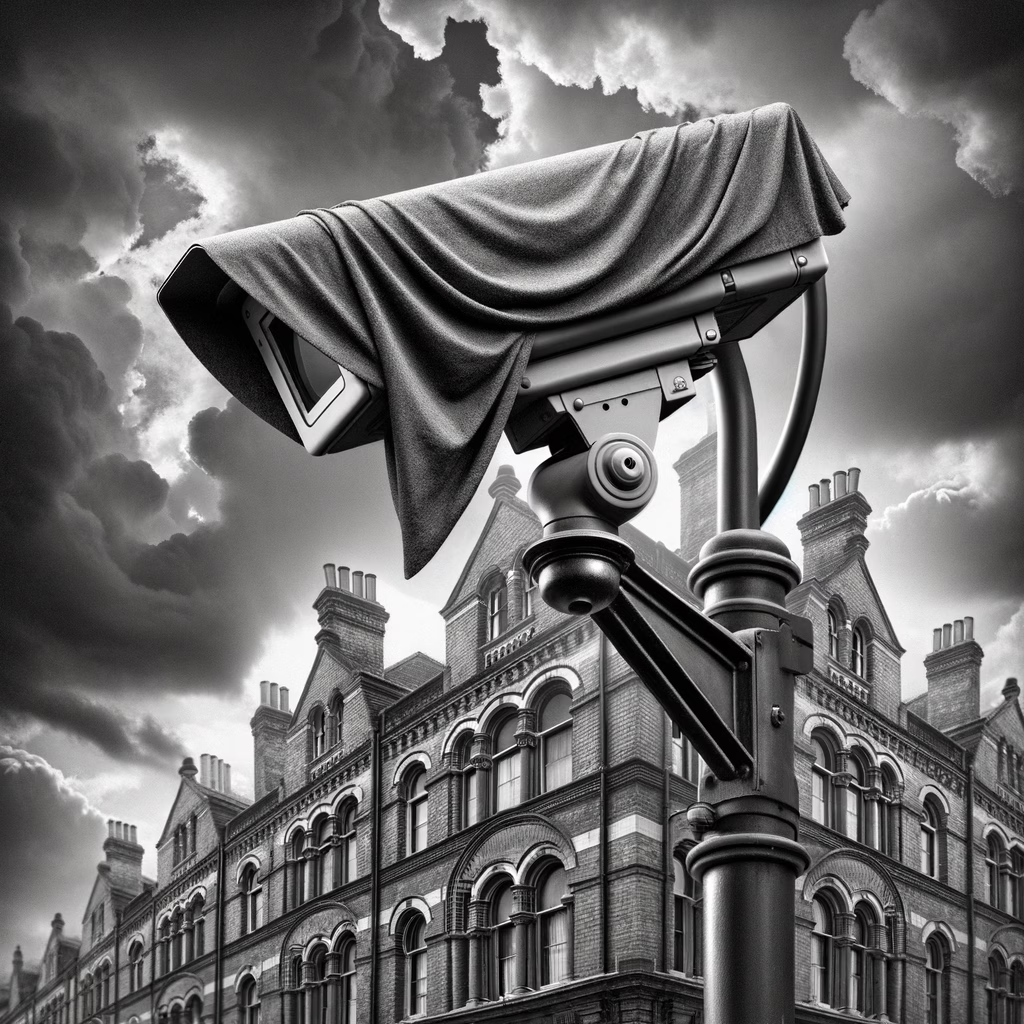
live facial recognition: Risky Must-Have for Safety
The government is encouraging police to try live facial recognition after the Met praised its Croydon deployment, but with courts and privacy watchdogs raising legal and bias concerns, ministers will publish guidance instead of forcing a nationwide roll‑out.

foreign interference: Exclusive Risky Teen Scandal
When Dutch authorities arrested several teenagers allegedly linked to foreign interference, it exposed a modern dilemma: how do we protect democracy from digital meddling without criminalizing curious, tech‑savvy kids?

mandatory digital ID: Risky, Must-Have Debate
Can the UK roll out a mandatory digital ID while trust, politics and privacy norms are in flux — or will a rushed plan deepen exclusion and surveillance risks? This debate matters because the right mix of design, legal limits and public buy-in could make everyday life easier, but the wrong choices could erode rights and trust for years.