From the Forbidden City to the New World: China’s Strategic Inroads into America’s Backyard
In recent years, Beijing has escalated its engagement in South and Central America with a tactical precision that challenges long-standing U.S. influence. As President Xi Jinping rolls out a broad security initiative, regional governments and international observers alike are watching a seismic shift in the global balance of power. These moves, backed by deep investments and strategic partnerships, are redefining the geopolitical landscape in a manner that few anticipated only a decade ago.
Historically, the Americas have been seen as a domain largely under the U.S. sphere of influence—a critical buffer zone and trade partner. However, rising Sino-centric economic, diplomatic, and security initiatives signal a calculated effort to create new alliances and economic corridors that bypass traditional Western institutions. Beijing’s outreach is not simply about building trade links or securing natural resources; it is also part of a broader, multifaceted plan to recalibrate global influence at a time when international power dynamics are rapidly evolving.
For more than a decade, Beijing’s Belt and Road Initiative (BRI) has captured global attention for its sprawling network of projects from Asia to Europe. Now, elements of that blueprint are becoming evident in Latin America. According to multiple analyses by the Council on Foreign Relations and the Carnegie Endowment for International Peace, Chinese investments have formed the backbone of increasing loans, infrastructure projects, and technology partnerships that target strategic assets in the region.
On the ground, governments across South and Central America are responding—sometimes enthusiastically, sometimes cautiously—to Beijing’s overtures. In Brazil, Argentina, and several smaller nations, Chinese enterprises are deeply involved in building roads, bridges, and telecommunications networks. The initiatives extend into sectors where the integration of technology and infrastructure is seen as a leverage point for creating long-term dependency. These observances are corroborated by recent reports from the U.S. State Department, which have highlighted growing concerns over debt sustainability and the strategic implications of Chinese economic influence.
Why does this matter? Let us consider the stakes. The United States has, for many decades, relied on its geographical proximity and deep-rooted political, economic, and security ties to maintain influence in the Western Hemisphere. By penetrating these networks, Beijing is not just exporting capital—it is exporting a vision of global order that questions the primacy of Washington’s interests. The ripple effects of such a shift are multifaceted, affecting everything from regional security cooperation to trade norms, and even the cultural and ideological influence that has long underpinned U.S. diplomacy in the region.
Experts note that this strategy has layers that extend beyond mere economic competition. As former U.S. diplomat Ambassador Robert Zoellick once observed in his analyses of emerging global trends, China’s approach is about building an ecosystem of interdependence—one that can resist Western sanctions and political isolation. Beijing’s method is sophisticated: financing infrastructure, securing natural resources, and leveraging technology transfers are all part of a new playbook meant to create alternative governance models and align regional institutions with Chinese interests. Analysts at the Brookings Institution have repeatedly emphasized that such foreign policy maneuvers “are rooted in a long-term vision of China’s role as a global leader.”
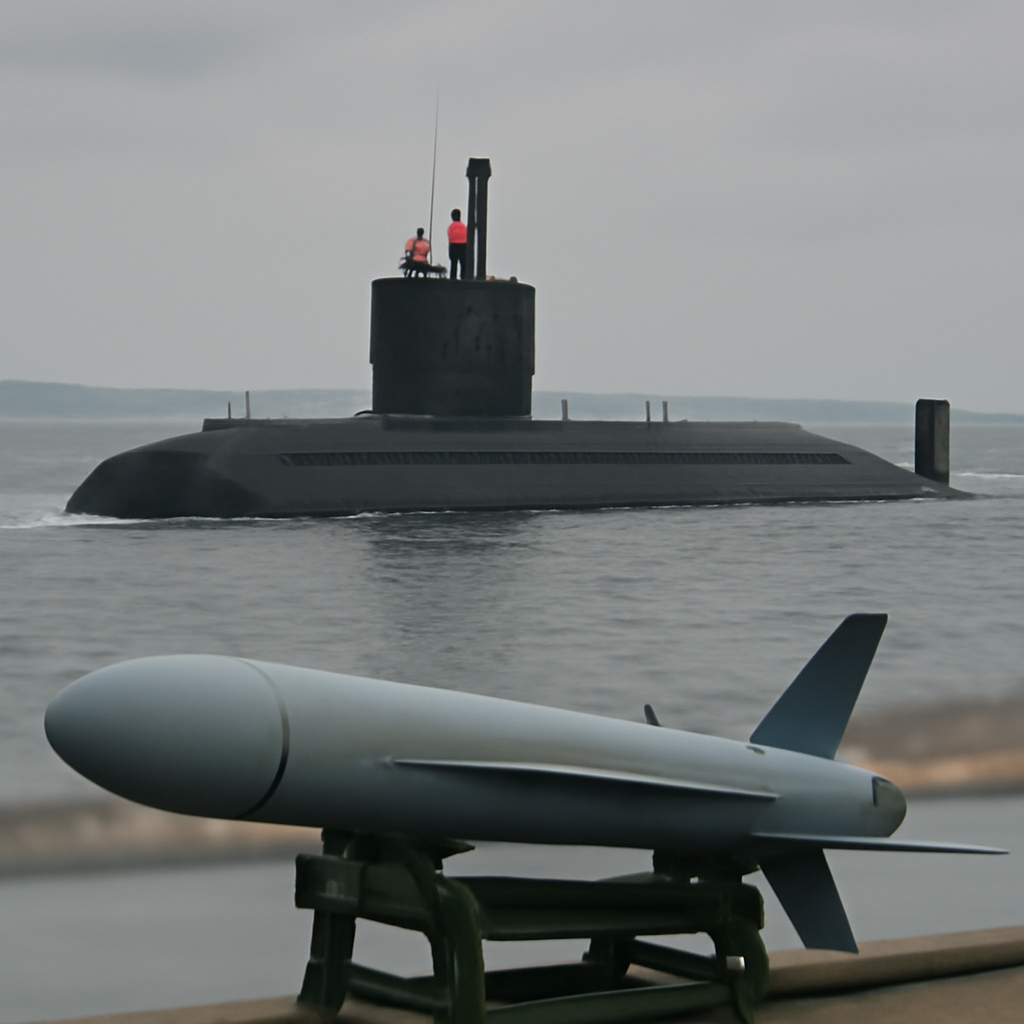
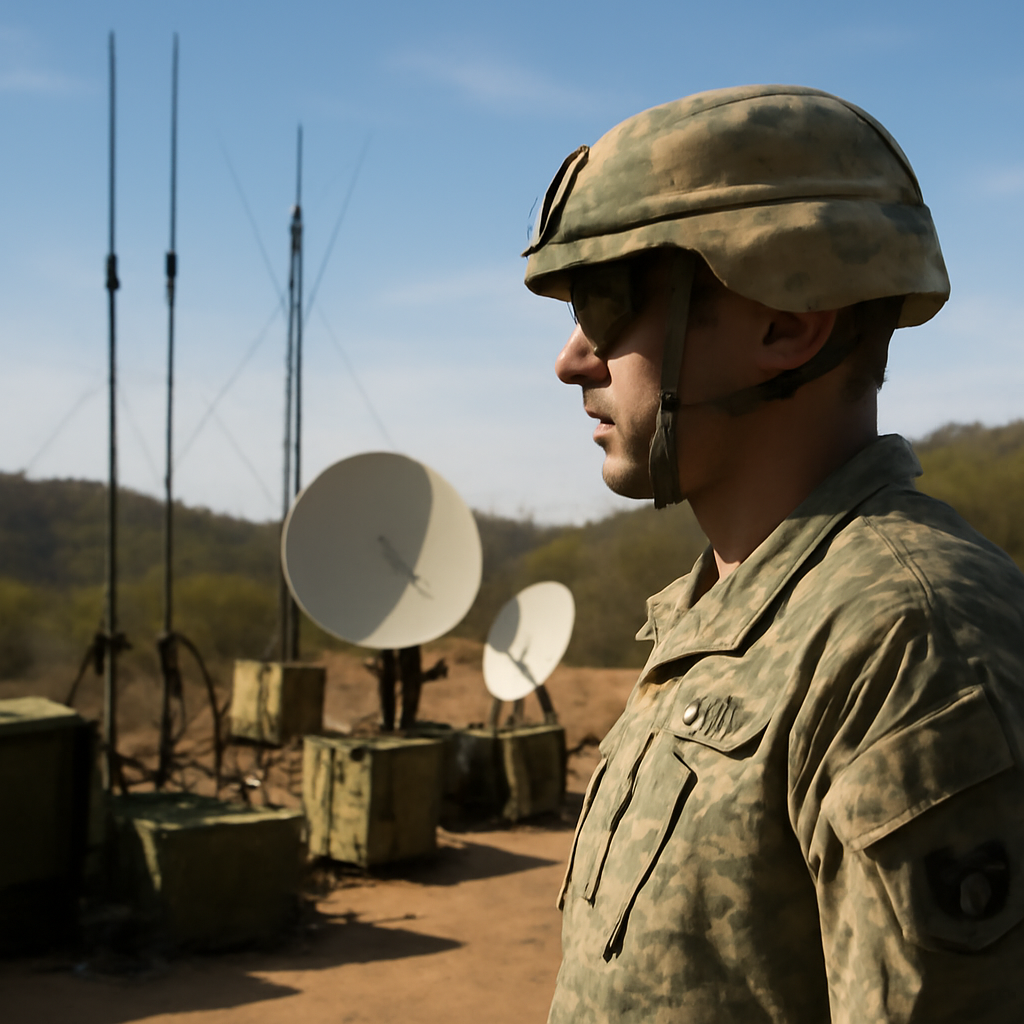
From a security perspective, the implications are equally profound. With China establishing footholds that range from cybersecurity partnerships to arms procurement agreements, Washington is understandably re-examining its strategies. Some U.S. military strategists argue that the expansion of Chinese influence can weaken traditional security networks in the hemisphere. They point to evolving defense collaborations in Latin America that, while still nascent, could recalibrate regional military dynamics. Citing multiple government sources, senior Pentagon officials have flagged the potential for these ties to complicate U.S. efforts to form cohesive defense alliances—a sentiment echoed by the RAND Corporation’s recent assessments.
Critics contend, however, that Beijing’s efforts are not without challenges. Many Latin American nations are grappling with internal political and economic uncertainties that make them vulnerable to external influence regardless of the source. Industry leaders and local policymakers alike warn that while Chinese investments offer a tempting alternative to traditional funding sources, they also come with strings attached—ranging from debt dependency to the eventual ceding of strategic control over critical infrastructure. This dichotomy is evident in countries like Ecuador and Bolivia, where public debates about Chinese involvement have intensified amid concerns over transparency and sovereignty.
In considering the broad and long-term ramifications, it is essential to understand that Beijing’s maneuver is not solely a contest of economic might, but also a battle for hearts and minds. Beyond the contract signing and steel girders, the human story of this engagement is one of promise and uncertainty. Local populations, often caught between the lure of modernized infrastructure and the apprehension of dependency on a geopolitical rival, face a future that demands balancing immediate economic benefits with long-term political autonomy. A recent piece in The Economist captured this tension: while many celebrate the improved connectivity and capital influx, others warn that the price could be a subtle erosion of local control.
Looking ahead, the trajectory of this multifaceted strategy will likely define the contours of international policy discussions for years to come. Washington’s response is expected to evolve, shifting from direct countermeasures in trade and defense policy towards more nuanced diplomatic engagements. High-level dialogues between U.S. and Latin American officials indicate a recognition of these new dynamics. Meanwhile, Beijing continues to press forward, seeking to institutionalize its relationships through regional accords and multilateral frameworks that solidify its influence. Observers at the Center for Strategic and International Studies suggest that monitoring the evolution of these partnerships will be crucial in predicting future shifts in global alliances.
In the end, Beijing’s concerted effort to redefine Washington’s stronghold in the Americas is emblematic of broader trends in international relations—a world where economic might, technological innovation, and strategic diplomacy intertwine to reshape power paradigms. As nations navigate this complex landscape, it is perhaps most important to consider the human cost and benefit of these shifts. Are communities empowered by new investment opportunities, or are they inadvertently surrendering control to distant powers with divergent values? This unfolding narrative raises essential questions not only about global governance but also about the future integrity and autonomy of nations navigating an increasingly multipolar world.
As the story progresses, the international community is left to ponder: in the struggle for global influence, what price are countries willing to pay for progress, and at what cost does sovereignty come? In these uncertain times, the answer may well determine the character of our shared future.