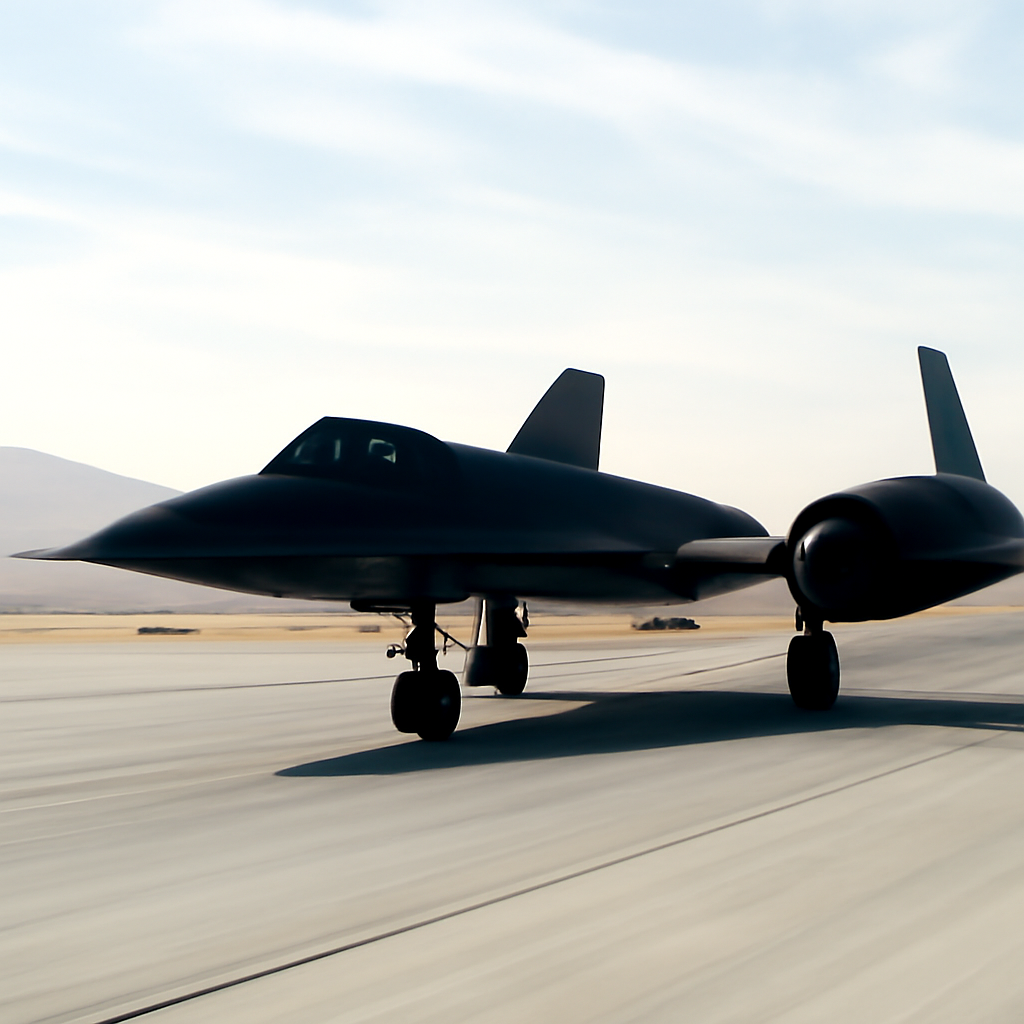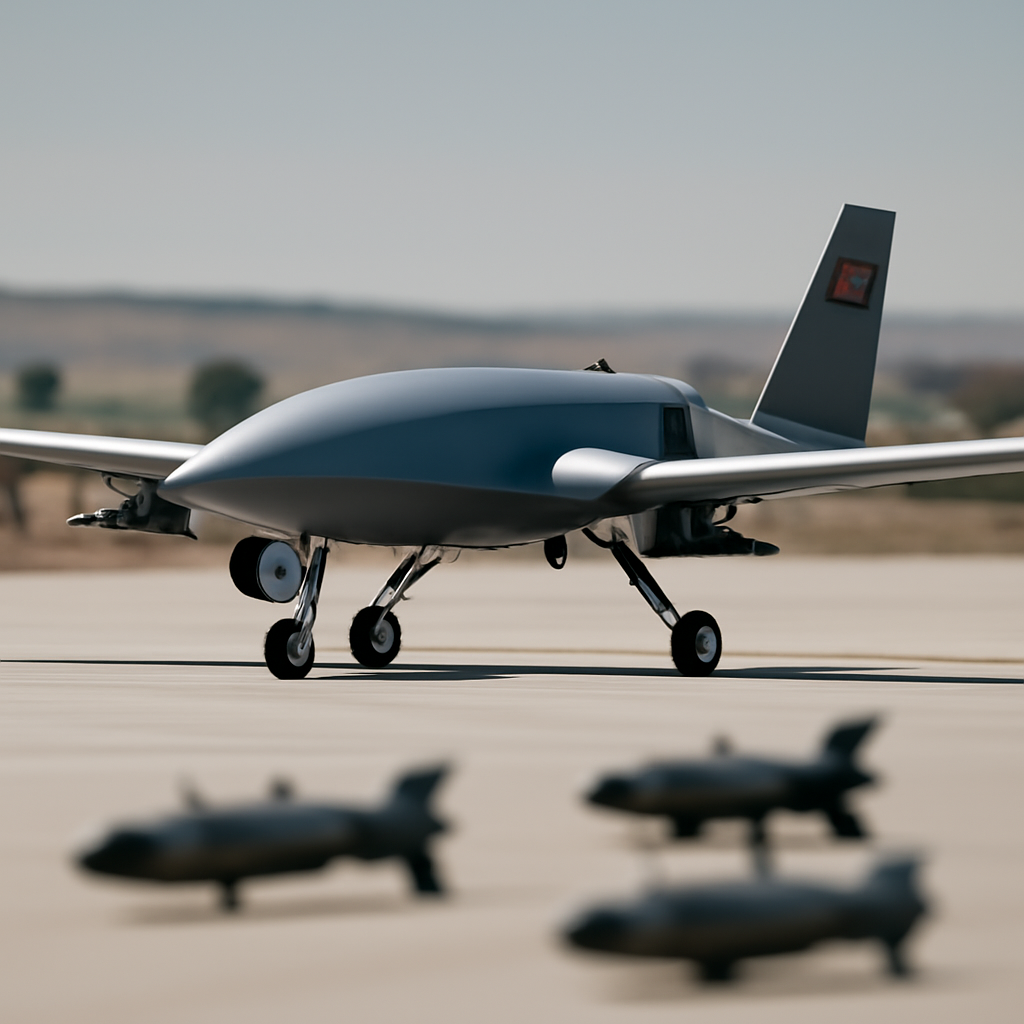
"TOYGUN is the sharp eye of KIZILELMA," ASELSAN’s general manager Ahmet Akyol said, after a late‑June 2026 firing in which Türkiye’s Bayraktar KIZILELMA located and struck a ground target using only domestic sensors and guidance kits.
What happened in the late‑June 2026 firing
In the late‑June 2026 trial, Baykar’s jet‑powered KIZILELMA unmanned combat aircraft detected a fixed ground target with its onboard electro‑optical sensor, had that target designated by ASELSAN’s TOYGUN system, and destroyed the target with two guided bombs. ASELSAN’s LGK‑82 and ROKETSAN’s TEBER‑82 guidance kits delivered the strike, and both vendors reported successful engagements: ASELSAN characterized TOYGUN as conducting the targeting and laser designation while preserving the aircraft’s low‑observable characteristics, and ROKETSAN’s general manager Murat İkinci said the TEBER‑82 struck its target.
ASELSAN’s TOYGUN and the claim of low‑observable designation
ASELSAN developed the TOYGUN electro‑optical system specifically for low‑observable aerial platforms, the company said. In this test TOYGUN served as the primary sensor and designator, a first for munition‑guidance firings on KIZILELMA. ASELSAN’s messaging emphasized that TOYGUN can detect, track and laser‑designate targets while preserving an aircraft’s radar signature advantage — language echoed by Ahmet Akyol’s “sharp eye” description.

This site is the portfolio.
OSINTSights runs on Cloudflare Workers, D1, R2, and Vectorize, with an AI pipeline on Hetzner ARM. Nubivance designed, built, and operates it. We do the same for clients.
See what we buildLGK‑82 and TEBER‑82: two guidance approaches
The strike combined two distinct guidance kits. ASELSAN’s LGK‑82 pairs an ASELSAN kit with a standard Mark 82 body in the 500‑pound class; the source describes its layout as resembling the American Paveway series and notes that LGK‑82 can reach roughly 12 kilometres when released from a fighter. The same kit has reportedly been applied to both NATO‑standard Mark 82 bombs and Russian‑standard FAB‑series general‑purpose bombs.
ROKETSAN’s TEBER‑82 guidance kit couples GPS and inertial navigation with a semi‑active laser seeker, allowing both pre‑planned and dynamic engagements with metre‑level precision. The source frames TEBER‑82 as offering a broader targeting envelope and longer stand‑off utility against static and mobile targets. ROKETSAN’s general manager said the TEBER‑82 struck its target and highlighted ongoing joint national technology development among partners.
Baykar’s KIZILELMA: platform, recent tests, and weapons roadmap
KIZILELMA is described as a jet‑powered, carrier‑capable unmanned fighter developed for loyal‑wingman missions with crewed fighters, and built around a low‑observable design logic for high‑survivability operations. Baykar’s stated figures give the aircraft a top speed of around Mach 0.9, a combat radius of roughly 500 nautical miles and a service ceiling near 45,000 feet. Baykar reported first KIZILELMA deliveries in early 2026.
The June firing extends a test run that resumed with a March 2026 trial in which KIZILELMA released LGK‑82 and TEBER‑82 from its fifth prototype, and follows a late‑2025 TEBER‑82 test. Separately, KIZILELMA achieved its first air‑to‑air kill in April 2026 when it fired a TÜBİTAK SAGE GÖKDOĞAN missile guided by ASELSAN’s MURAD radar over the Sinop range; that April test flew a five‑aircraft formation alongside F‑16 fighters to rehearse manned‑unmanned teaming. Baykar intends to add other air‑to‑surface weapons to KIZILELMA, including the KGK winged guidance kit, members of the TOLUN glide‑bomb family and the ÇAKIR compact cruise missile.
What this means for Baykar, ASELSAN, ROKETSAN, and Ankara
- Baykar: The company’s near‑term indicators, per the source, will be a sustained test tempo and evidence of reliable teaming with crewed aircraft — measurements that will determine whether operational integration moves beyond isolated demonstrations.
- ASELSAN: With TOYGUN positioned as a sensor tailored for low‑observable platforms, ASELSAN is now publicly tying its electro‑optical kit to autonomous target prosecution and to preserving stealth advantages during designation.
- ROKETSAN: The successful employment of TEBER‑82 reinforces ROKETSAN’s role in precision guidance and in joint national technology programs, supporting both dynamic engagements and longer stand‑off envelopes.
- Ankara (procurement posture): The firing underscores Türkiye’s push to source combat systems domestically even as Ankara “lines up tens of billions in NATO defence contracts in parallel,” according to the source — a simultaneous pursuit of national capability and external procurement.
The June firing represents a concrete step in combining national sensors, avionics and munition kits on a single platform. Baykar’s KIZILELMA has now been linked to both air‑to‑air and air‑to‑surface successes across spring and early summer 2026; the next clear tests of progress will be sustained sorties demonstrating repeatable, reliable manned‑unmanned teaming and the integration of the broader weapons list Baykar expects to field.