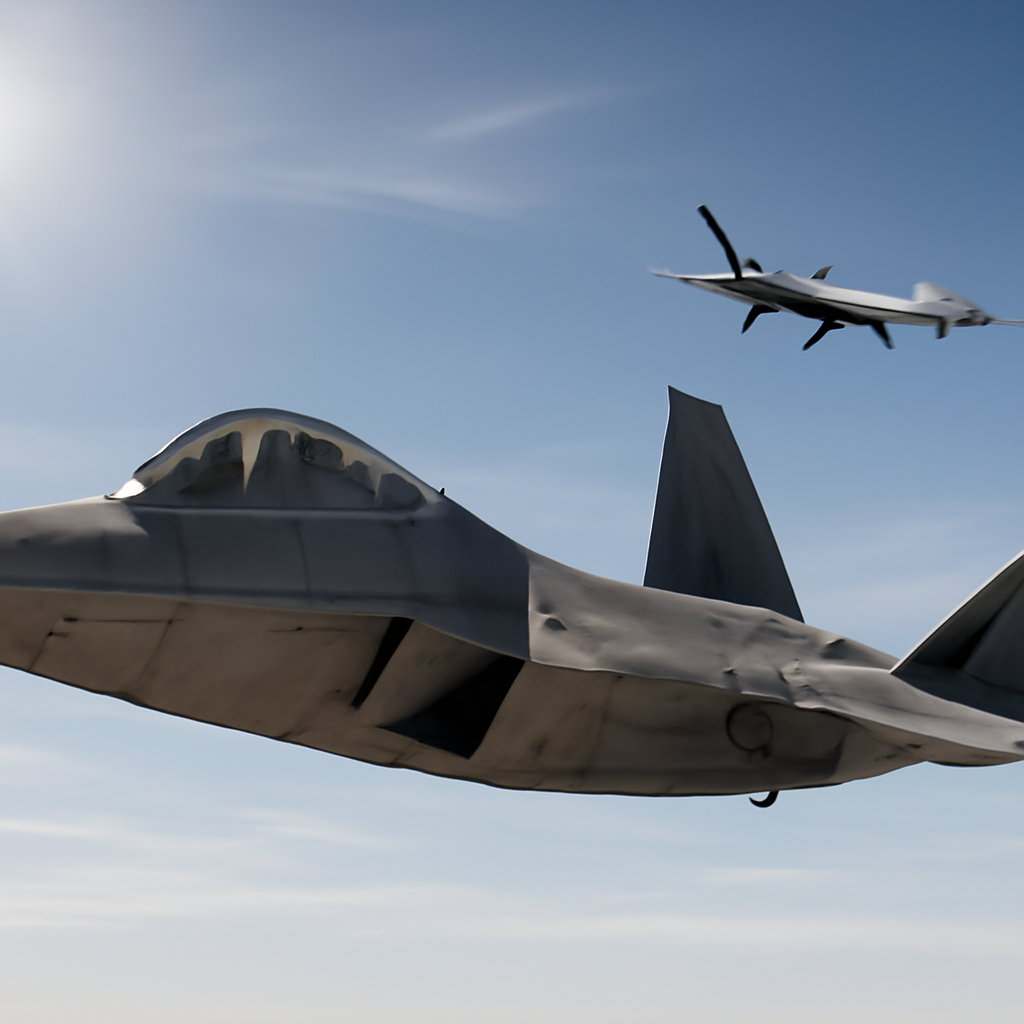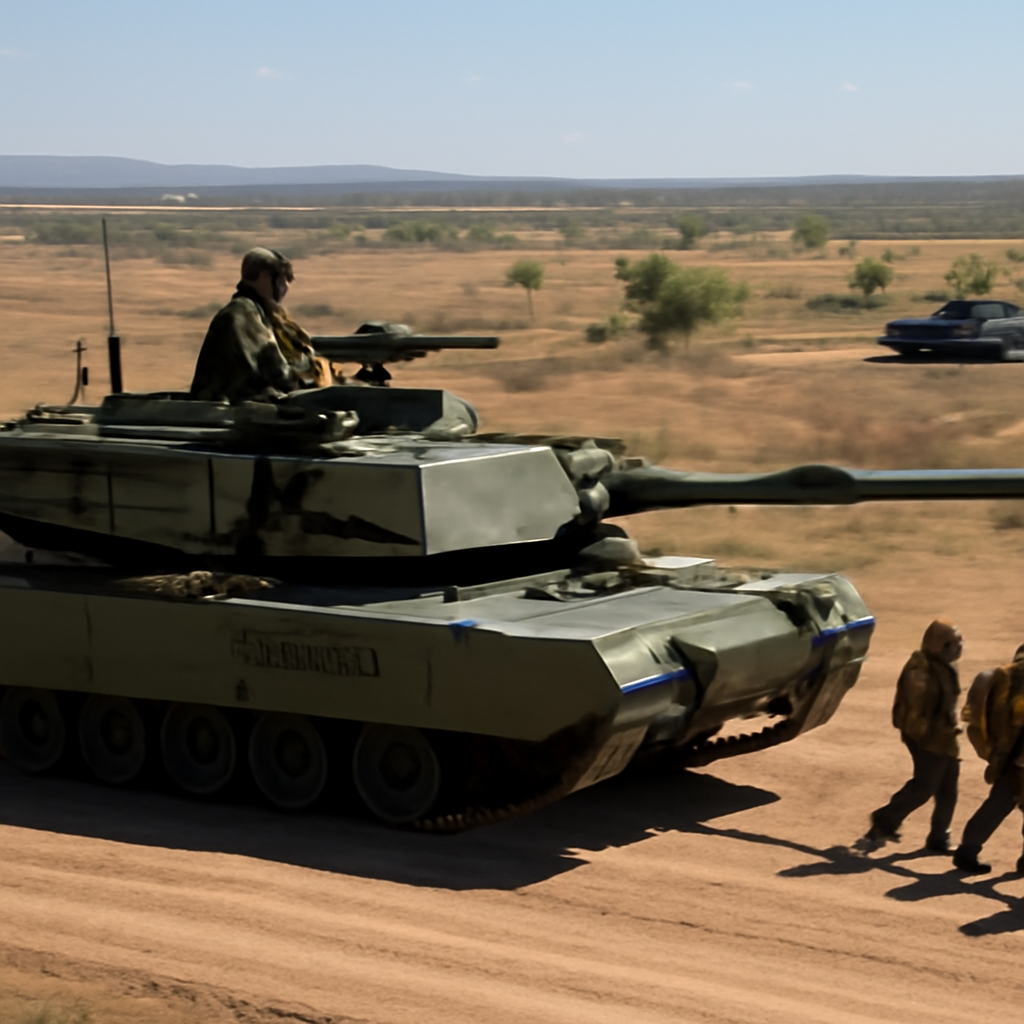
What is at stake is Canberra’s ability to shape deterrence, joint integration and economic effects in northern Australia — not merely how easily allied units can get ready in rear-area garrisons.
Townsville: efficiency, scale, and strategic limits
Japan has decided to send elements of the Japan Ground Self-Defense Force to conduct training activities in Townsville in mid-2026 as part of Exercise Southern Jackaroo and associated combined-arms activities. Townsville’s advantages are real: the Australian Army’s mass is there, and logistics, sustainment, aviation and workforce systems operate at scale. Those conditions let Japanese units integrate quickly and achieve training outcomes with minimal friction — an important consideration when readiness timelines compress.
But the article makes a clear distinction: efficiency in training is not the same as shaping deterrence. Exercises in established garrisons generate tactical and operational gains, yet they do not substitute for persistent, forward-operating presence that alters an adversary’s strategic calculus.
Darwin: a forward node for multi-domain deterrence
Darwin is presented as offering a different and complementary function to Townsville. Its proximity to Southeast Asian sea lanes, northern approaches and contested maritime space reduces warning time, increases operational relevance and strengthens escalation signalling. Darwin enables joint and combined integration across air, land and maritime domains in a forward operating environment — conditions that episodic rotations in rear areas cannot replicate.
The piece argues that integrated presence in forward geography generates deterrent weight in a way that exercises alone do not: “Exercises generate noise. Persistent presence generates a signal. Integrated presence in forward geography generates deterrent weight.”

Audit-ready is a season. It shouldn't be.
Evidence in spreadsheets, controls drifting between audits, frameworks multiplying on flat headcount. Nubivance runs continuous compliance on Rapid7 Cyber GRC - SOC 2, HIPAA, ISO 27001, PCI, CMMC.
End the scrambleOpportunity cost: presence, industry and resilience
The report frames northern Australia as a system where defence presence, infrastructure and economic activity should reinforce one another. A modest but persistent Japanese presence in Darwin, combined with the United States Force Posture Initiatives, would have created a layered multinational footprint in the north that produces three reinforcing effects: deterrence, jointness, and economic security.
Economic effects, the piece stresses, flow from sustained activity rather than short rotations. Continuous partner activity creates a demand signal that justifies infrastructure investment — ports, fuel storage, logistics, housing and workforce capacity — attracts labour, unlocks private capital and then supports industry and national resilience. The Inpex energy-resources investment in northern Australia is cited as a model of long-term, integrated planning in the Australia–Japan relationship that defence posture should emulate.
Policy choice: persistence over convenience
The central policy critique is blunt: Australia continues to default to locations with existing institutional mass rather than building the systems required in strategically critical geographies. “Ease becomes the constraint. Ease becomes the decision. That is not a strategy,” the piece states. If Darwin cannot host a combined presence at scale, the article argues, that reflects a policy failure, not a rationale for avoiding it.
Practical prescriptions follow. Canberra should work with Japan to establish a persistent rotational presence in Darwin within the next two training cycles. Scale, the author says, matters less than continuity: a company-level presence, sustained over time, would build familiarity, justify infrastructure and strengthen signalling.
What this means for Japan, Australia, and the United States
Japan: The decision to train in Townsville meets immediate integration and readiness needs, but the piece recommends Tokyo partner with Canberra to shift some continuity into Darwin to increase strategic effect.
Australia (Canberra): The government is urged to stop defaulting to rear-area hubs and to accelerate coordinated investment in ports, fuel storage, logistics, housing and workforce capacity tied to partner requirements in Darwin.
United States: The United States Force Posture Initiatives are identified as a complementary element; together with a modest Japanese presence in Darwin, they could create a layered footprint that amplifies deterrence, jointness and economic security.
The choice to prioritise Townsville for mid-2026 Japanese rotations is understandable in practical terms. But the article presses one pointed conclusion: Australia needs both Townsville and Darwin, with clearly defined and complementary roles, supported by coordinated investment and governance. Presence should be used to crowd in private capital and to anchor logistics, energy and sustainment investment. Absent deliberate action now — including the suggested company-level, persistent rotations in Darwin within the next two training cycles — the north will remain an assemblage of rehearsed exercises rather than a strategically wired forward system.