On 16 April the National Defence Strategy decided to replace C-27J Spartan light airlifters with commercial aircraft — a single decision that the source argues will diminish Australia’s ability to reach island locations with short, poor-quality runways and to sustain the low‑intensity, humanitarian and peacekeeping missions the Australian Defence Force (ADF) most frequently conducts.
The 16 April National Defence Strategy decision on the C-27J Spartan
The source singles out the 16 April decision to retire C-27J Spartans and substitute commercial aircraft as a concrete example of capability choices that trade away regional reach. Those Spartans are described as light airlifters that can operate to short, poor‑quality runways — a feature the source says commercial aircraft will lack. The change, the analysis warns, will make it difficult to reach island locations that do not have long, well‑maintained airstrips and will therefore reduce Australia’s practical ability to deliver peacekeeping and humanitarian assistance and disaster relief (HADR) in the Pacific.
High‑intensity platforms with little role in peacekeeping or HADR
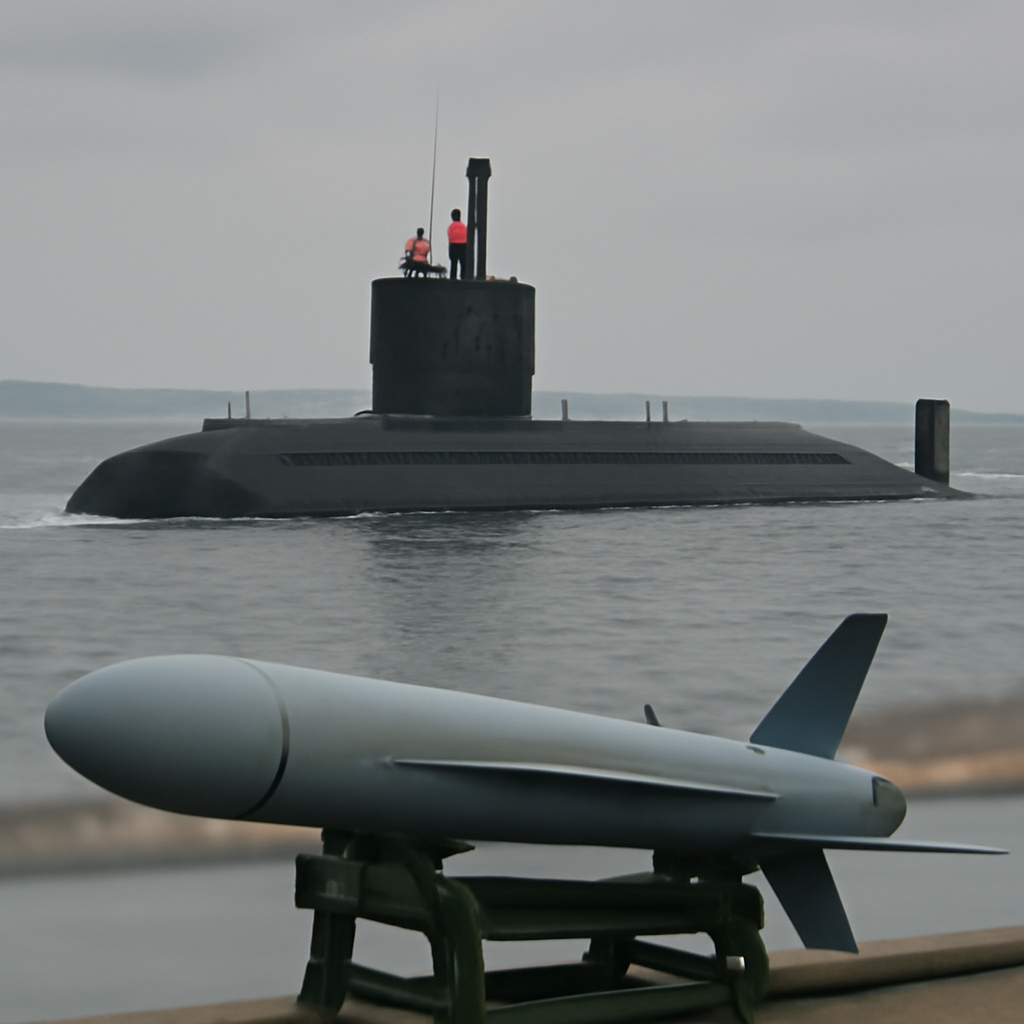
The source argues that many of the ADF’s new, costly equipment priorities have “little to no role” in the sort of operations Australia conducts most often. It lists nuclear submarines, strike missiles and frigates among platforms that offer limited utility for land‑based peacekeeping or for disaster relief. Even emerging systems such as uncrewed submarines like “Ghost Sharks” are cited as not contributing to the ADF’s land‑oriented, low‑intensity tasks.
Long‑range artillery is identified as relevant to counter‑insurgency settings such as Afghanistan but “of little use in the Pacific,” underscoring a mismatch between capability development and the region’s likely operational environment.

Audit-ready is a season. It shouldn't be.
Evidence in spreadsheets, controls drifting between audits, frameworks multiplying on flat headcount. Nubivance runs continuous compliance on Rapid7 Cyber GRC - SOC 2, HIPAA, ISO 27001, PCI, CMMC.
End the scrambleAirlift, sealift and the operational picture in the Pacific
The report highlights constrained sealift and airlift as one of the most important enablers for regional missions, and finds current capacity limited. It notes new landing craft that can unload on beaches will be welcomed for peacekeeping and HADR, but raises concerns that the Royal Australian Navy’s assault ships have “suffered from poor management.” The government’s Pacific support vessel is characterised in the source as having “little value in disaster relief,” further eroding the practical tools available for rapid, large‑scale humanitarian response.
Crucially, the ADF’s projection into Pacific islands is said to rely on those islands “having satisfactory, operational ports and airstrips from which C‑130 Hercules can operate.” The source states it is not clear how the ADF intends to move into and sustain operations where that infrastructure is missing or damaged — a situation likely in the aftermath of severe natural disasters.
Personnel, culture and the limits of technology
Beyond platforms and ships, the analysis stresses that people remain central. While the 2026 National Defence Strategy reportedly highlights people as Defence’s “most important capability,” the source says the ADF continues to struggle with recruitment and retention and operates with “an unusually high proportion of senior officers.” Those human‑resource challenges are presented as acute because peacekeeping and HADR missions frequently demand experienced, hands‑on personnel.
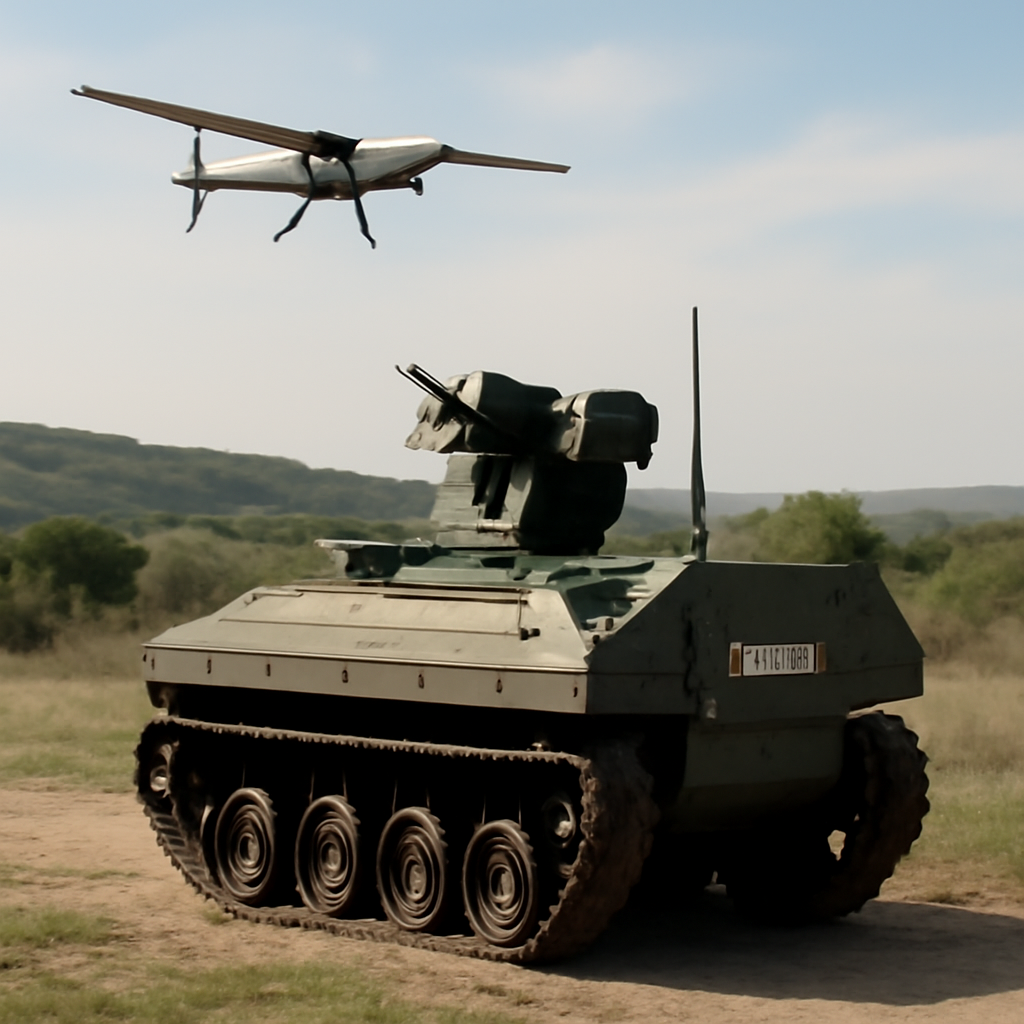
The source also points to a lack of cultural and linguistic training relevant to the Pacific islands and notes that unmanned and autonomous systems, while helpful in relieving manpower pressures for conventional operations, “do not replace the human touch required for peacekeeping and humanitarian assistance.”
What this means for Pacific governments, ADF planners, and humanitarian agencies
- Pacific governments: The source suggests they would be “much more interested in working with Australia if it had aircraft that can reach their remote regions,” implying diminished confidence and partnership value if Australia lacks that reach.
- ADF logistics and planners: Faced with the Spartan replacement and limited sealift, planners will confront difficult choices about how to project and sustain forces into islands with damaged or non‑existent infrastructure.
- Humanitarian agencies and peacekeeping commanders: The analysis warns these actors will find fewer appropriate ADF capabilities at hand for the “definite future missions” of HADR and responding to low‑intensity civil conflict that have dominated the past 30 years.
The central contention is clear and concrete: defence planning has concentrated on preparing for a near‑term high‑intensity, conventional conflict to the extent that it has deprioritised the capabilities needed for the ADF’s most frequent and most predictable tasks — peacekeeping, civil‑order assistance and disaster relief in the region. The source concludes with a pointed prescription: “Correcting this capability gap should become a priority before Australia finds itself unprepared for a mission it should have seen coming.”