China accounts for 70 to 80 percent of global antimony production and processing — a concentration that, the article warns, "gives Beijing considerable influence over supply" and has already been used through export restrictions to turn a critical mineral into a lever of economic coercion.
China's market dominance and leverage
That 70–80 percent figure is the central strategic vulnerability the source identifies. The scale of Chinese production and processing creates an outsized influence over global flows of antimony, a metal used in ammunition, military alloys, flame retardants and advanced electronics. The article points directly to Chinese export restrictions as proof that critical minerals can become instruments of coercion, and frames Australia’s current task as reducing that specific dependency.
From mine to metal: Nyrstar, Larvotto and the remaining gaps
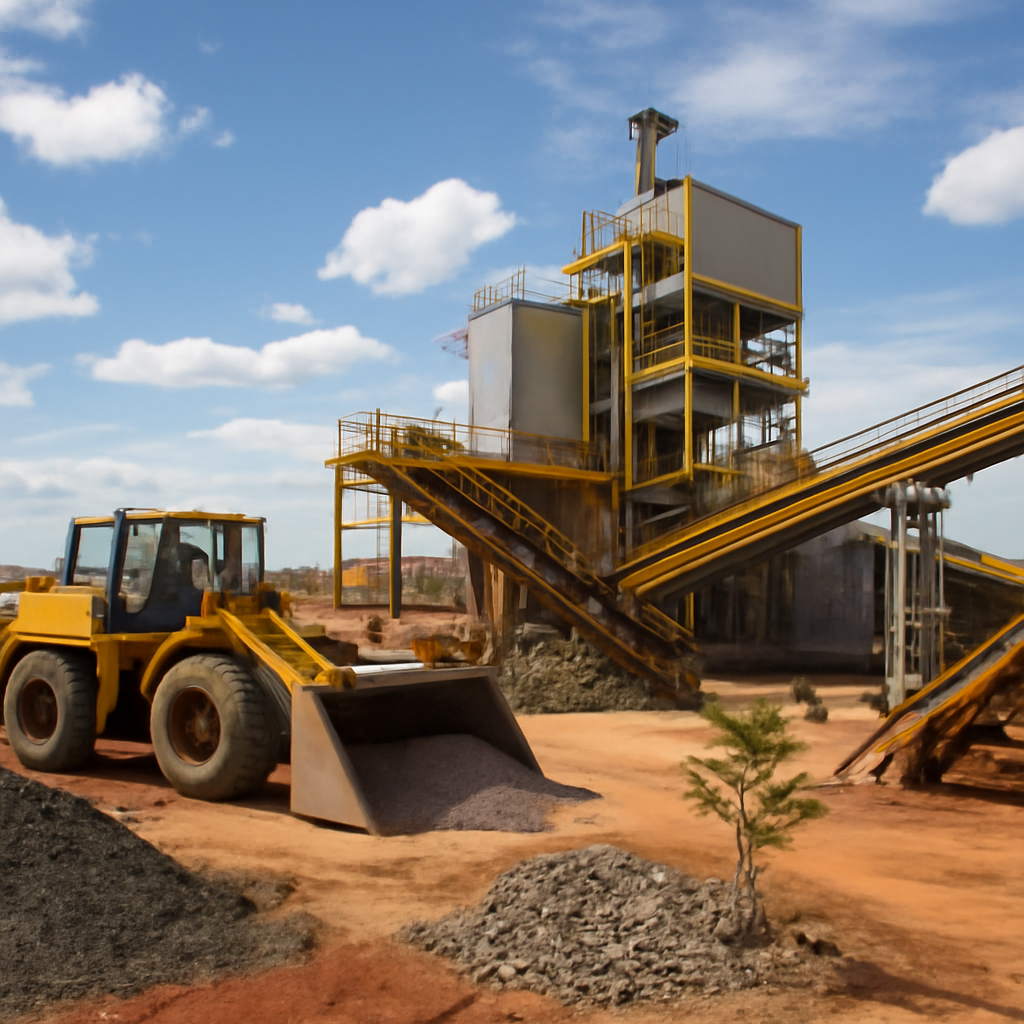
Recent developments show Australia can move beyond exploration headlines. In February, Nyrstar shipped its first commercial‑grade antimony metal from a demonstration plant at Port Pirie in South Australia. In October, Larvotto Resources shipped 68 tonnes of antimony concentrate from its Hillgrove mine in New South Wales under a purchase agreement with Wogen Resources. That arrangement lets Wogen bypass Chinese traders and engage directly with Western supply chains — aligning with Australia’s critical minerals strategy and diversification efforts by the United States, the European Union, Japan and South Korea.
But the article makes a vital distinction: mining, producing refined metal and manufacturing specialised defence and industrial materials are different activities. A commercial mine can be viable while sending concentrate overseas; a refinery can operate while relying on imported feedstock. Success at one stage does not guarantee capacity at the next, nor does it guarantee assured access during a crisis.

Audit-ready is a season. It shouldn't be.
Evidence in spreadsheets, controls drifting between audits, frameworks multiplying on flat headcount. Nubivance runs continuous compliance on Rapid7 Cyber GRC - SOC 2, HIPAA, ISO 27001, PCI, CMMC.
End the scrambleFinancial and industrial constraints
Antimony faces volatile prices and processing that requires substantial upfront capital. The article notes small domestic markets and competing commercial realities make long‑term commitments difficult; investors cannot be expected to bankroll expensive facilities on strategic grounds alone. The federal government’s Critical Minerals Strategic Reserve exists to bridge that divide: it has access to A$1 billion for project support and A$150 million for selective stockpiling. Its tools include long‑term supply agreements, pooling supplies from different producers and financial instruments to manage price volatility. Export Finance Australia also has an expanded role in supporting transactions.
Yet the source underscores a blunt trade‑off: alternatives to Chinese supply are likely to be more expensive. Chinese producers benefit from scale, integrated processing and industrial advantages that new Australian facilities cannot instantly replicate. The policy choice facing governments is therefore whether to accept higher costs in return for reduced strategic vulnerability — and what form those public investments must take to deliver measurable benefits.
What this means for defence, advanced manufacturers, and allied partners
- Defence: Defence should define the precise quantities and physical forms of antimony it requires; the article warns that defence demand alone may be insufficient to sustain domestic processing.
- Advanced manufacturers: Manufacturers must be part of any aggregated demand pool if commercial processing is to be viable; proposals must account for energy, feedstock, technical performance and environmental requirements.
- Allied partners: Allied participation is encouraged but conditional — processing by trusted partners can strengthen resilience only if Australia secures assured access and avoids substituting one concentrated dependency for another.
A practical test and a narrow measure of success
The article proposes a straightforward policy test: if access to Chinese antimony — or the trade routes, ports or choke points that deliver it — were severely disrupted tomorrow, what could Australian industry actually produce, in what quantities, and for how long? Until Canberra can answer that question with concrete numbers and operational plans, the article concludes, Australia has an antimony opportunity, not an assured capability.
Where domestic processing is justified, the source argues government support should come with enforceable conditions: minimum operating capacity, supply commitments for emergencies, transparent ownership arrangements and measurable investment in skills and industrial infrastructure. Officials must also decide how much redundancy is necessary — whether to concentrate production in a cost‑efficient single facility or to distribute capacity across several sites to minimise single points of failure.
The central metric, the article insists, should be resilience: not activity or funding totals, but whether Australian and allied industry can continue operating when the supply chains they rely on fail. That is the policy choice laid before Canberra — and the yardstick by which any future investments in antimony must be judged.