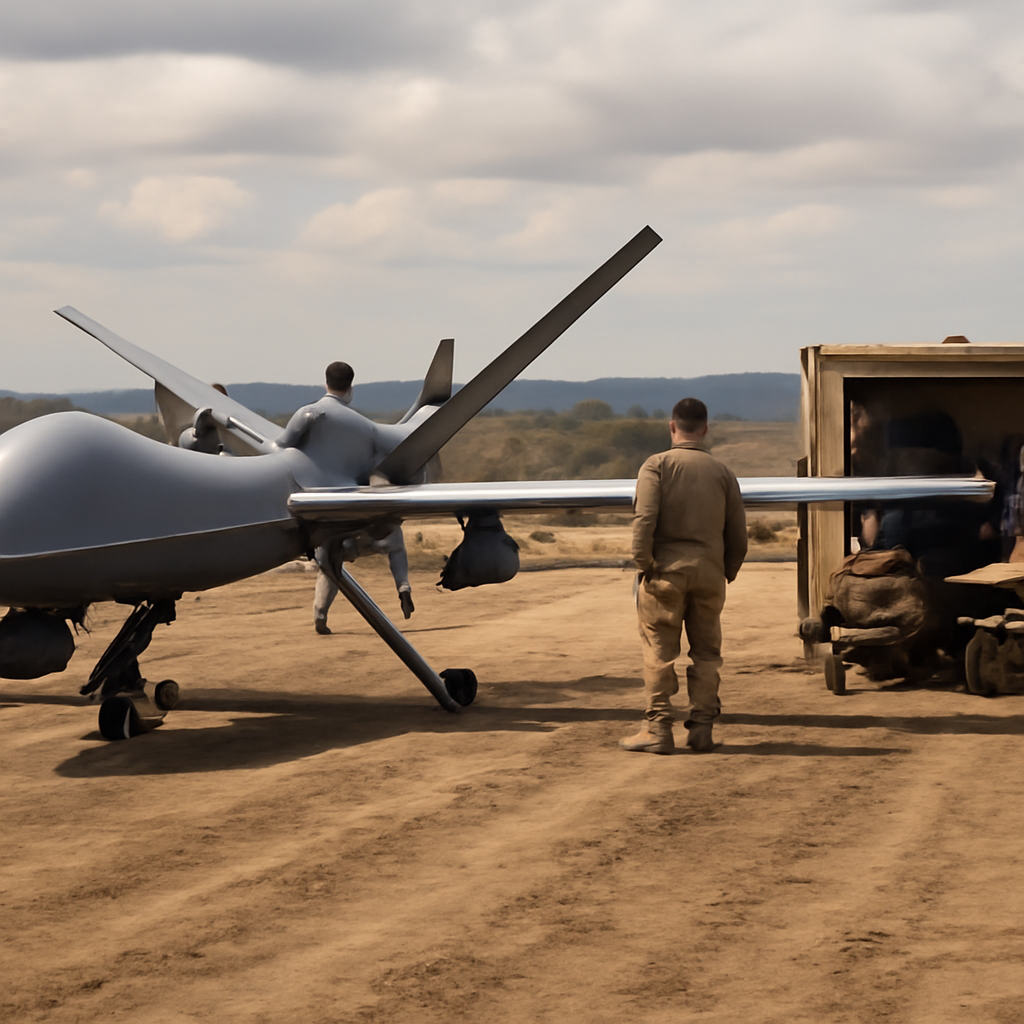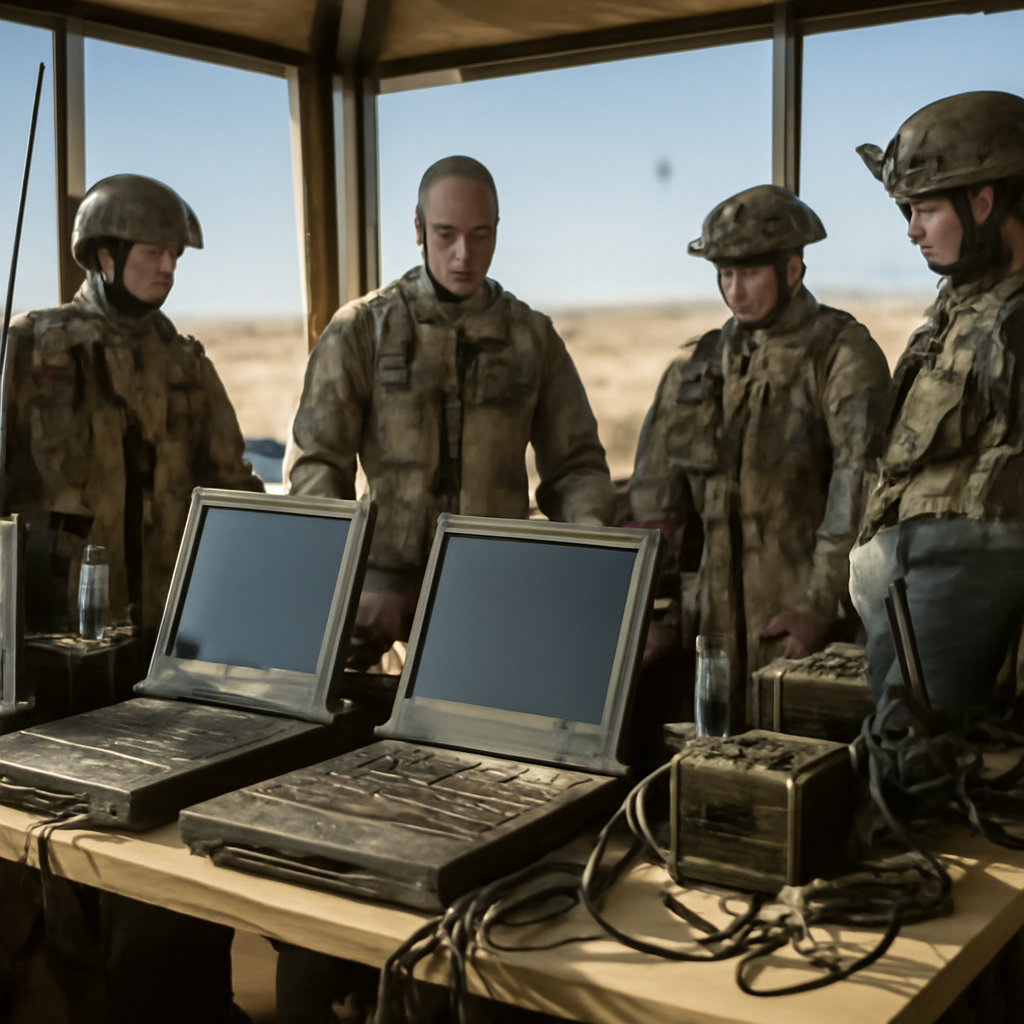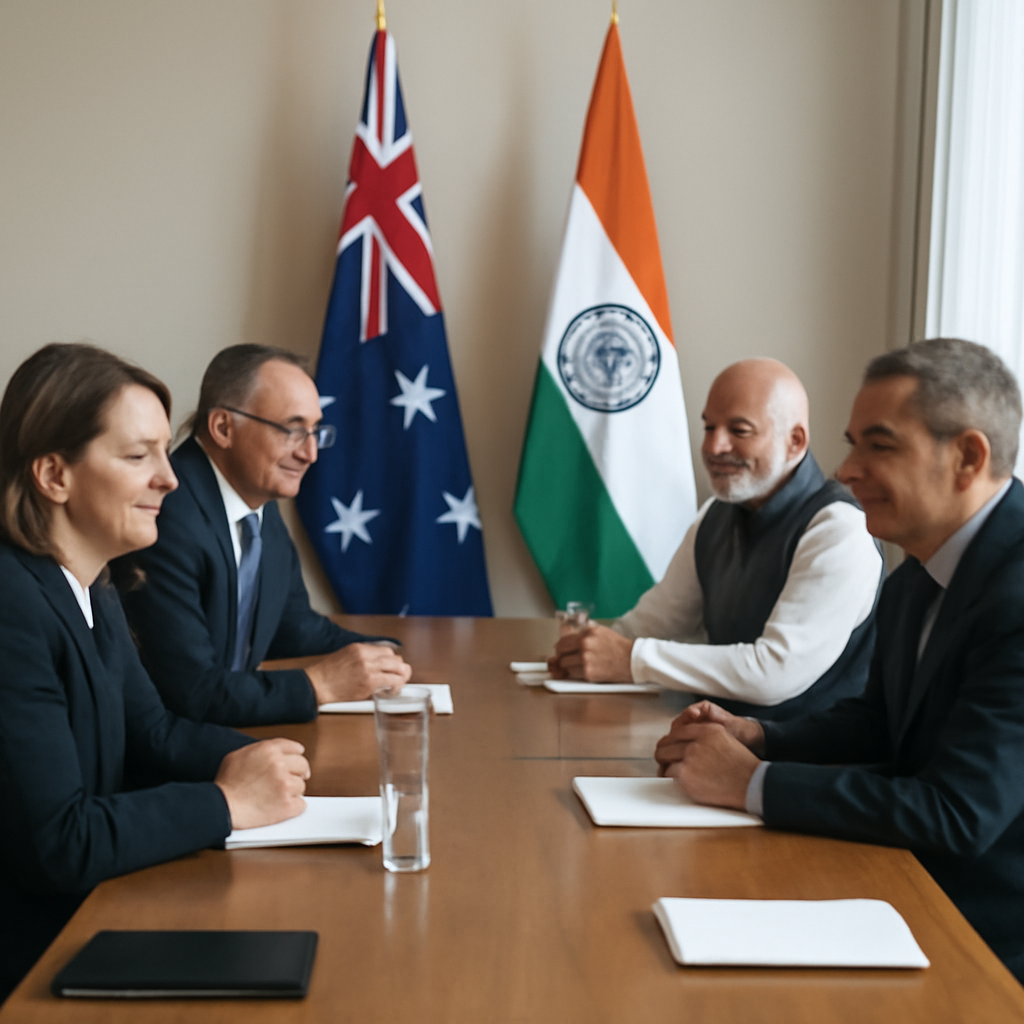
"to build interoperability and information sharing between defence forces," the Joint Declaration on Defence reads — a phrase that captures both ambition and the limits of what two middle powers can achieve on their own.
Joint Declaration on Defence: language edging toward alliance-like consultation
The three-day visit by Indian Prime Minister Narendra Modi to Australia last week yielded a Joint Declaration on Defence that pushes Canberra and New Delhi toward closer practical coordination. The declaration explicitly endorses efforts "to build interoperability and information sharing between defence forces" and to "strengthen the complexity of defence exercises." It also contains a commitment "to consult on defence-related developments in the Indo-Pacific that affect shared interests."
Griffith University professor Ian Hall noted the wording is "almost alliance-like," likening it to Article 3 of the ANZUS Treaty, which commits parties to consult when a party's territorial integrity or security is threatened. That comparison is striking because, as the declaration and commentary make plain, India "for decades avoided being confined to alliances" out of concern for restricted manoeuvrability. The declaration therefore marks a notable evolution in how Australia and India describe their security relationship.
Regional security, international law, and a missed commemorative moment
The declaration places emphasis on strengthening regional security through peaceful dispute resolution "in line with international law" and references the United Nations Convention on the Law of the Sea. The source notes this emphasis is especially resonant on the "10th anniversary of the UN Tribunal award favouring the Philippines," though the article says India "missed an opportunity" to join partners in marking that anniversary. The value of such legal and normative commitments is framed as limited in the face of persistent threats, yet still useful for their normative influence.

Audit-ready is a season. It shouldn't be.
Evidence in spreadsheets, controls drifting between audits, frameworks multiplying on flat headcount. Nubivance runs continuous compliance on Rapid7 Cyber GRC - SOC 2, HIPAA, ISO 27001, PCI, CMMC.
End the scrambleCivil nuclear energy and uranium sales: energy-security cooperation with a long history
A second major outcome reported from the visit was progress on civil nuclear energy cooperation, notably the sale of uranium to India as part of broader energy-security ties. The source traces this to a complicated history: India has not been a party to the Nuclear Non-proliferation Treaty, and that status had often been cited to deny uranium exports. India has argued it has "abided by the treaty’s principles better than the signatories have," a long-standing national justification referenced in the article.
The piece also recalls past Australian frustration in Canberra when Australia sold uranium to China despite concerns the recipient had violated NPT and Nuclear Suppliers Group commitments — a history that framed bilateral sensitivities around uranium exports to India.
Minilateral coalitions: Japan, Indonesia, New Zealand and the limits of material power
The article situates the Australia–India push inside a broader minilateral trend in the Indo-Pacific. Australia and India are "framing new minilateral coalitions to maximise their strategic options," but the piece cautions their material power has limits. Working "in unison with other Asian partners, such as Indonesia and New Zealand" can increase their chances of influence. Notably, Modi visited Indonesia and New Zealand during the same trip, and the visit follows a "highly successful" earlier trip to India by Japanese Prime Minister Sanae Takaichi at the beginning of July.
The argument is simple: combined, smaller powers may offset individual constraints; alone, they risk being limited when addressing regional challenges.
China's trade coercion and what Australia, India, and partners must do
The article frames trade as an instrument of great-power politics and warns that Beijing wields an "asymmetric advantage in trade to force others to bend the knee." It argues this advantage exists only in bilateral dealings, which is why, the piece says, Beijing prefers bilateral engagement. The prescribed remedy is collective action: Indo-Pacific partners must present "a unified front when China threatens any one country," moving consultation from bilateral to multilateral and ensuring responses are "nimble and effective enough to deter China."
The article stresses that while every state prefers unilateral action to preserve "strategic autonomy," closer cooperation, not isolation, is what will blunt coercive tactics — a point summed up in the observation that "Modi and Albanese made that cooperation easier but there is a lot more work to be done."
What this means for defence planners, energy negotiators, and regional partners
- Defence planners (Australia and India): will be expected to operationalize the declaration’s interoperability language — expanding information sharing, planning more complex exercises, and setting procedures for consultations on Indo-Pacific developments.
- Energy and trade negotiators (Canberra and New Delhi): must convert the reported uranium-sale momentum into durable frameworks, balancing non-proliferation sensitivities with declared energy-security goals.
- Regional partners (Japan, Indonesia, New Zealand and others): face pressure to join multilateral consultation mechanisms and coordinate responses to trade coercion if Indo-Pacific cooperation is to be "nimble and effective" rather than solely bilateral.
Modi's visit advanced language and mechanisms that would have been unlikely only a few years ago: defence consultation that approaches alliance-like diction, renewed civil-nuclear ties, and a call for unified responses to economic coercion. Whether those statements translate into a multilateral, operational posture that can deter coercive behaviour remains the central, unresolved question — and the task now falls to the parties named in the declaration and their regional partners to turn words into coordinated action.
https://www.aspistrategist.org.au/modis-visit-australia-india-seek-to-gain-strength-from-each-other/