India, with an estimated 600 million gamers, passed the Promotion and Regulation of Online Gaming Act in 2025 — and Australia has committed A$74 million this month to a Counter Terrorism Online Centre to monitor gaming platforms, chat rooms and online forums. Two very different democratic responses to the same emerging threat now offer a comparative field experiment in how to protect young people from radicalisation through games.
Australia’s A$74 million centre, the social-media ban, and eSafety’s transparency notices
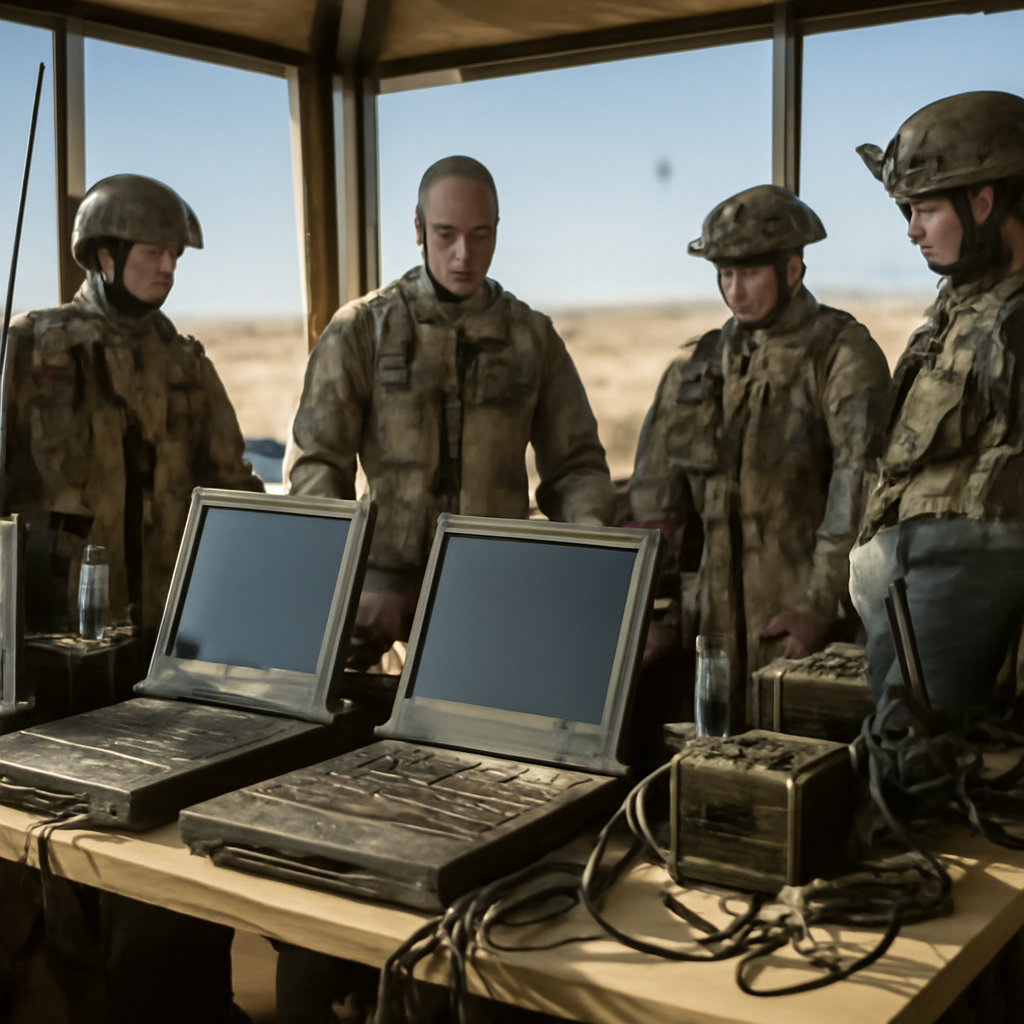
After “Australia’s worst terrorist attack, the Bondi Beach massacre in December,” the federal government committed A$74 million to a Counter Terrorism Online Centre to monitor gaming platforms, chat rooms and online forums. Australia already bans social media use for under-16s and in April the eSafety Commissioner issued legally enforceable transparency notices to Roblox, Minecraft, Fortnite and Steam, requiring those platforms to report how they protect children and meet online safety expectations. Non‑compliance would attract penalties of up to A$825,000 per day, and separate breaches of the Online Safety Codes could carry fines of up to A$49.5 million.
India’s 2025 Online Gaming Act and the 1 May 2026 rules
The Promotion and Regulation of Online Gaming Act, passed in 2025, seeks to bring India’s vast gaming ecosystem under legal oversight. The act bans real‑money gaming, restricts associated advertising and financial transactions, and — through accompanying rules that took effect on 1 May 2026 — mandates age‑gating, parental controls and grievance redressal. Enforcement, however, is hampered by offshore operators and jurisdictional gaps, and the act’s centre of gravity is on protection from financial and consumer harm rather than explicitly addressing how gaming environments intersect with the radicalisation of vulnerable groups.

The cyber insurance questionnaire just landed. Now what?
SOC 2, HIPAA, insurance renewals - someone has to own security strategy. Nubivance provides fractional CISO leadership without the full-time salary.
Get a security leadGaming as a vector: conflict narratives, AI content, and interactive simulation
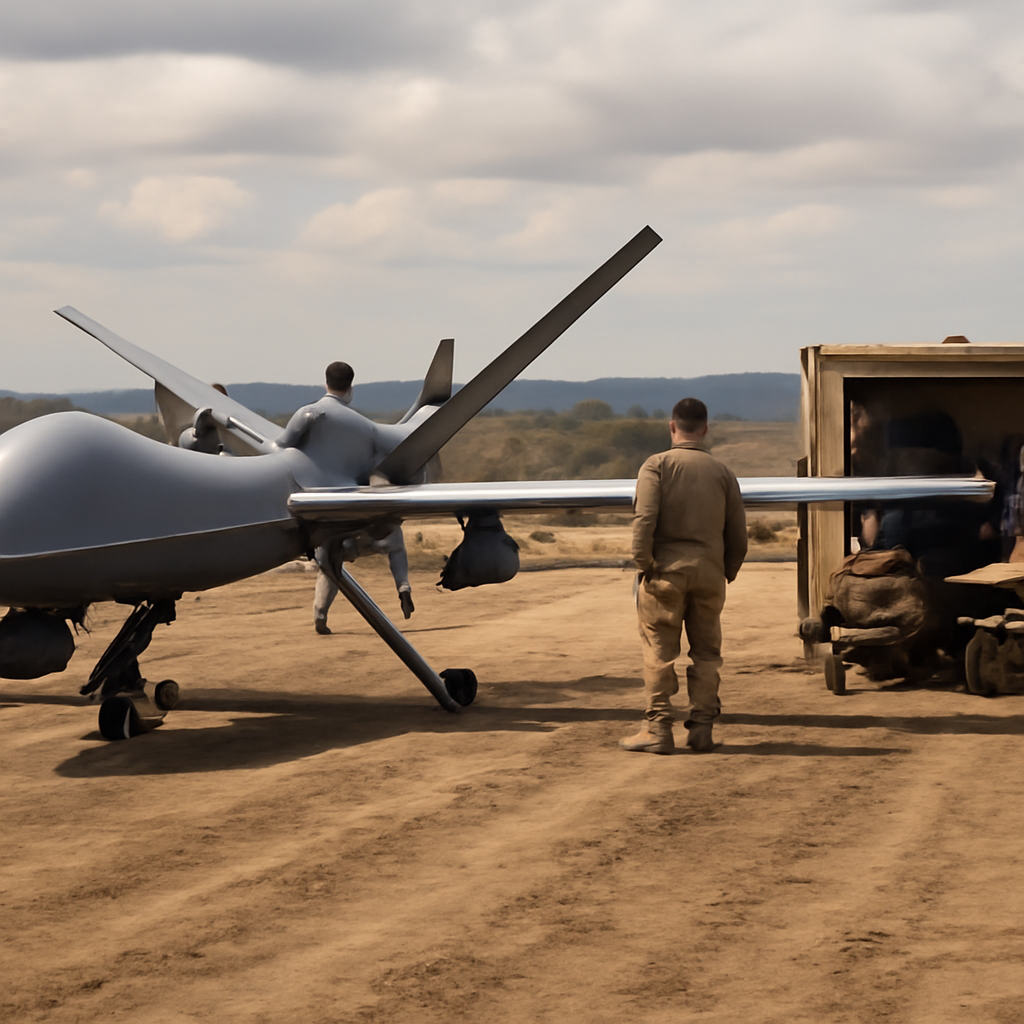
The current Iranian conflict is being narrated to younger audiences in the visual grammar of gaming. The White House has posted videos splicing real strike footage with clips from Call of Duty and Grand Theft Auto, recasting military operations as gameplay. Pro‑Iran networks countered with AI‑generated content, including Lego‑style videos pitched at global audiences. Satirical browser games such as Operation Epic Furious: Strait to Hell and browser titles like Iran Wars demonstrate how readily a conflict can migrate into playable form.
Research cited in the source material shows interactive digital environments enable participation, identity formation and social reinforcement in ways that can normalise violent narratives. Platforms such as Roblox and Minecraft allow users not only to observe but to simulate conflict. Adolescents are highlighted as especially vulnerable during critical stages of cognitive and identity development: they are highly sensitive to peer validation and emotionally charged content.
Regional incidents and policy responses: Singapore, Malaysia, and platform restrictions
The Indo‑Pacific is already seeing the scale of gaming‑related radicalisation. Singapore and Malaysia have detained teenagers as young as 15 after they were radicalised through gaming platforms. Governments elsewhere have moved to restrict platforms for child safety: Jordan, Oman, Turkey and Qatar have restricted Roblox, and China and Russia have taken content‑based bans—China against anti‑communist content and Russia against titles that promote LGBT themes.
What this means for technologists, policymakers, and parents
- Technologists and security teams: Expect pressure to build more robust moderation, age verification and platform‑level reporting. The eSafety transparency notices and India’s mandate for age‑gating point to concrete legal requirements and penalties that platforms will need to operationalise.
- Policymakers and regulators: Australia’s use of transparency notices and financial penalties offers a model for enforcement, while India’s legislative architecture treats gaming as social infrastructure. Both approaches expose gaps — browser‑based games like Iran Wars fall outside some frameworks, and offshore operators complicate enforcement.
- Parents and educators: Time spent on gaming platforms is substantial — Australian children aged 4 to 12 average more than two hours daily on gaming platforms and teens more than 14 hours a week, while over 60 percent of urban Indian teens aged 13 to 17 spend around three hours each day on social media and gaming — heightening exposure not just to time online but to content risks.
Extending cooperation: the 2020 framework and a practical next step
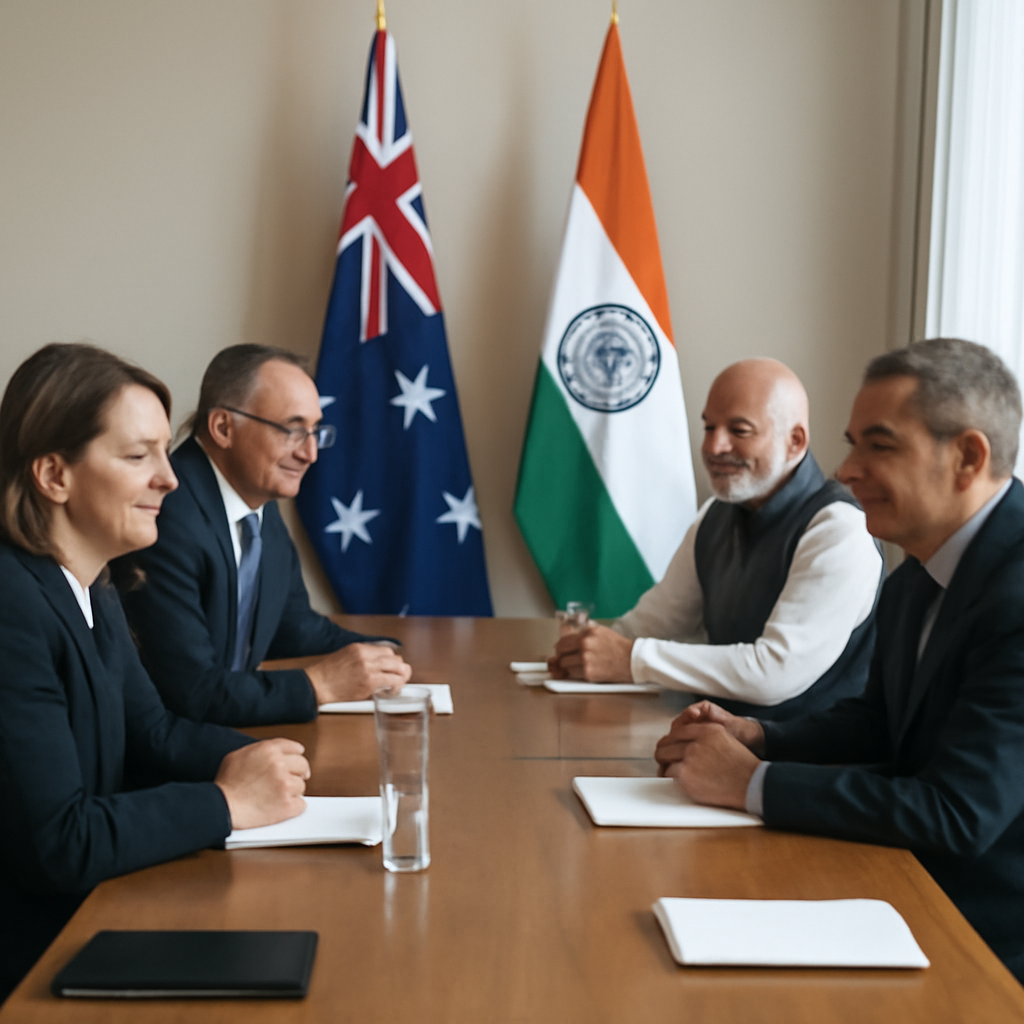
Australia and India already share a Framework Arrangement on Cyber and Cyber‑Enabled Critical Technology Cooperation, signed in 2020, but its focus has been mainly on infrastructure. The source argues that extending that framework to cover online content ecosystems, age verification and gaming‑platform governance would be timely. A bilateral dialogue could marry India’s legislative architecture for gaming with Australia’s youth‑centred online safety regime and financial penalties — producing a pragmatic template for other middle power democracies confronting the same problem.
Both countries have pieces of the solution; the remaining work is political and technical integration: closing jurisdictional gaps, bringing browser‑based games and offshore operators into regulatory view, and matching age‑verification and content‑moderation tools to the interactive dynamics that make games a unique vector for radicalisation.