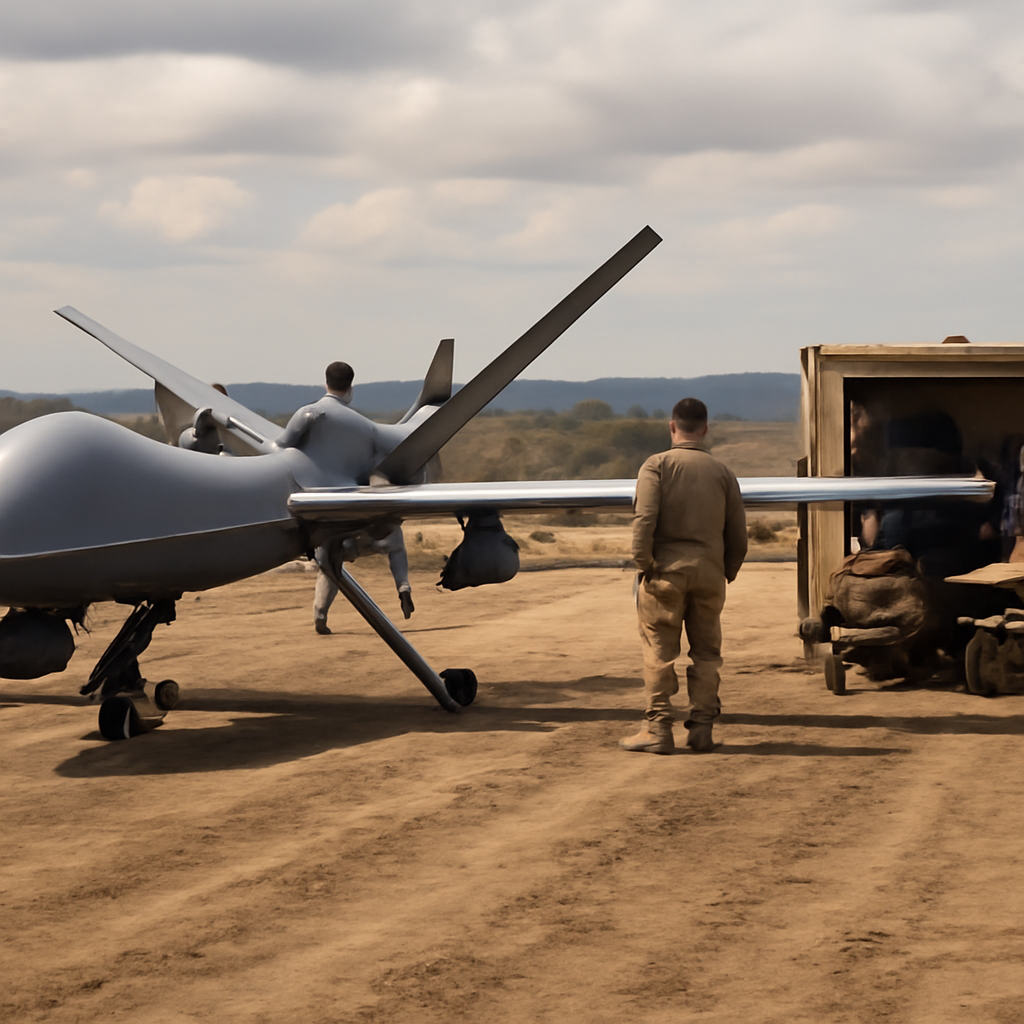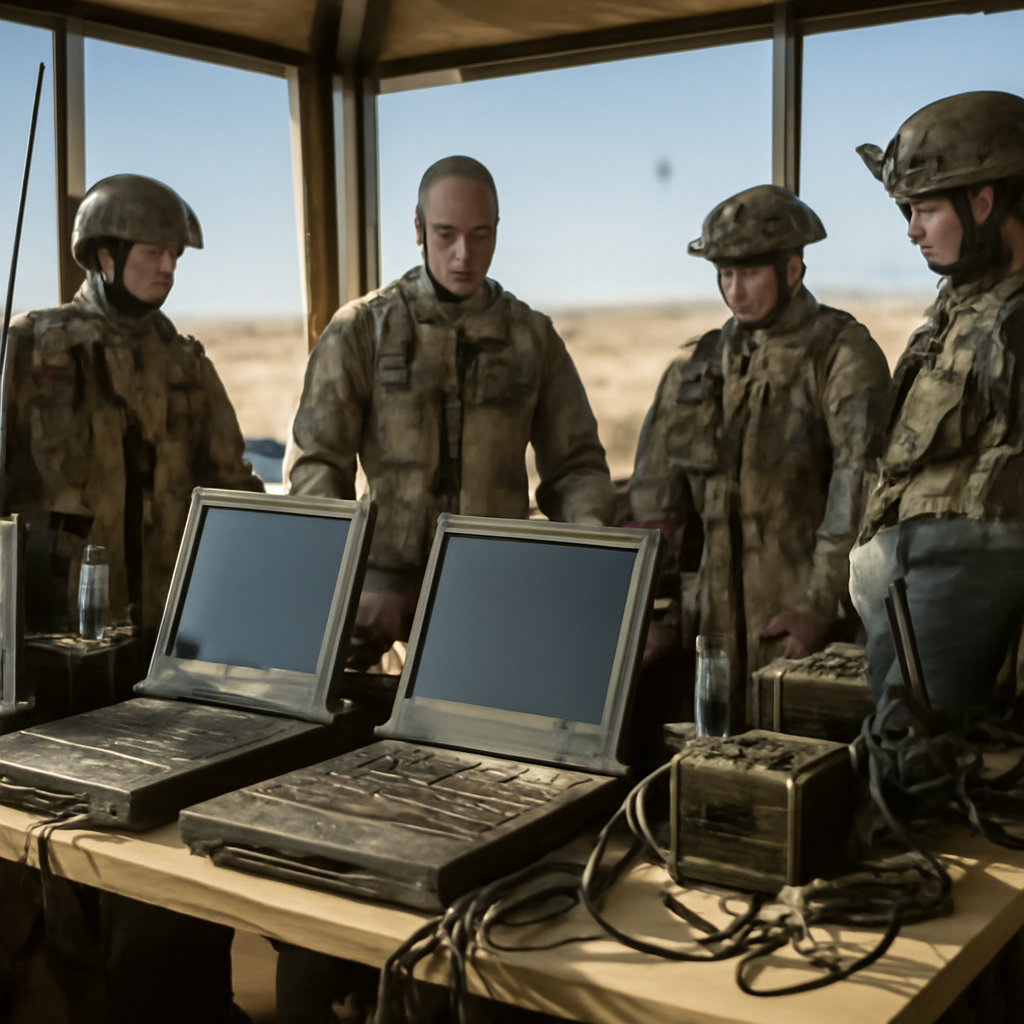
“It’s a battalion-size formation that will be the Army’s initial contribution to [Golden Dome], but there will be elements from other echelons that’ll have to play a role in that,” Lt. Gen. John Rafferty told Breaking Defense.
Lt. Gen. John Rafferty on Golden Dome and the selected unit
Lt. Gen. John Rafferty, who leads Army Space and Missile Defense Command (SMDC) and Joint Task Force‑Gold (JTF‑Gold), confirmed at the annual Army Space and Missile Defense Symposium in Huntsville, Ala., that the Army has chosen a battalion‑sized formation to begin training and testing for the Pentagon’s Golden Dome homeland air defense mission. Rafferty spoke on the sidelines of the symposium and emphasized that the chosen unit comes from existing force structure; he did not disclose the unit’s identity.
A battalion-size contribution and the mid‑2028 deadline
Rafferty framed the selected battalion as the Army’s initial contribution to a larger, multilayered architecture. The Pentagon is working to have Golden Dome operational by mid‑2028, creating a compressed timeline that informed the decision to pull the unit from the standing force rather than stand up a new formation. Rafferty said the service will “do a lot of experimentation and test with this unit to make sure that we’re ready to fight with it when it’s delivered.”

This site is the portfolio.
OSINTSights runs on Cloudflare Workers, D1, R2, and Vectorize, with an AI pipeline on Hetzner ARM. Nubivance designed, built, and operates it. We do the same for clients.
See what we buildTraining, experimentation, and the “material solution”
The Army intends to use the battalion as a testbed while the program’s material solution “is coming into focus,” Rafferty said. That program development includes work on command and control approaches and manning solutions: “We’ve got the right experience ... institutional knowledge about how to build and sustain these sorts of programs and capabilities, and we just need to to figure out how to optimize our manning solution and our command and control approach,” he added. The service’s plan is to push experimentation and testing ahead of Golden Dome’s fielding to validate concepts and readiness.
Operational strain: munitions, deployed forces, and modernization pressure
Rafferty acknowledged that global operations — particularly sustained air defense demands in the Middle East — are creating pressure on an already taxed force. He cited concerns about dwindling stockpiles of interceptors, naming Patriot Advanced Capability‑3 (PAC‑3) and THAAD interceptors as examples, and described how those operational demands reduce time available “to train, and prepare and test.”
“Clearly, this places … a huge strain on soldier readiness and unit readiness,” Rafferty said, noting the challenge of balancing ongoing operations, readiness, and the Army’s modernization path. To mitigate strain, he said the service is accelerating delivery of upgrades and new technologies to troops in theater rather than waiting for those units to redeploy.
Patriot growth, IFPC Increment 2, THAAD and the Army National Guard
The Army already fields systems such as Patriot and Terminal High Altitude Area Defense (THAAD) and is developing new capabilities including Indirect Fire Protection Capability (IFPC) Increment 2 and various directed‑energy weapons. Rafferty noted that Army National Guard battalions already conduct homeland air defense missions, including protection of the National Capital Region, and that Golden Dome represents in many ways “an expansion” of missions the force performs today.
The Army previously planned to grow its Patriot force from 16 battalions to 18 and is continuing to revisit that number as part of the service’s annual Total Army Analysis process to account for global demand and Golden Dome requirements. “I’m confident in our path to growing the Patriot force,” Rafferty said, adding that demand will guide the final force mix.
How the Army, deployed troops, and the Army National Guard are responding
- The Army (SMDC/JTF‑Gold): will use the selected battalion for experimentation and testing while the program’s material solution is refined; it is working to optimize manning and command-and-control approaches ahead of a mid‑2028 fielding.
- Deployed troops: are receiving upgrades and new technologies pushed forward to them in theater to reduce the time lag between modernization and operational employment, even as they contend with reduced windows for training and testing.
- The Army National Guard: continues to perform homeland air defense tasks today — including protecting the National Capital Region — and will see Golden Dome described as an expansion of missions they already execute.
Rafferty’s account sketches a near‑term, pragmatic path: use an available battalion to prototype how the Army will plug into a larger Golden Dome architecture, speed technology insertion to units in the field, and revisit force structure decisions — notably Patriot battalion totals — through the Total Army Analysis process. The coming months of experimentation and testing will be the concrete measures that determine whether those choices hold up under operational stress as the Pentagon pushes toward a mid‑2028 objective.
Original story: Army selects air defense unit to prepare for Golden Dome mission — Breaking Defense