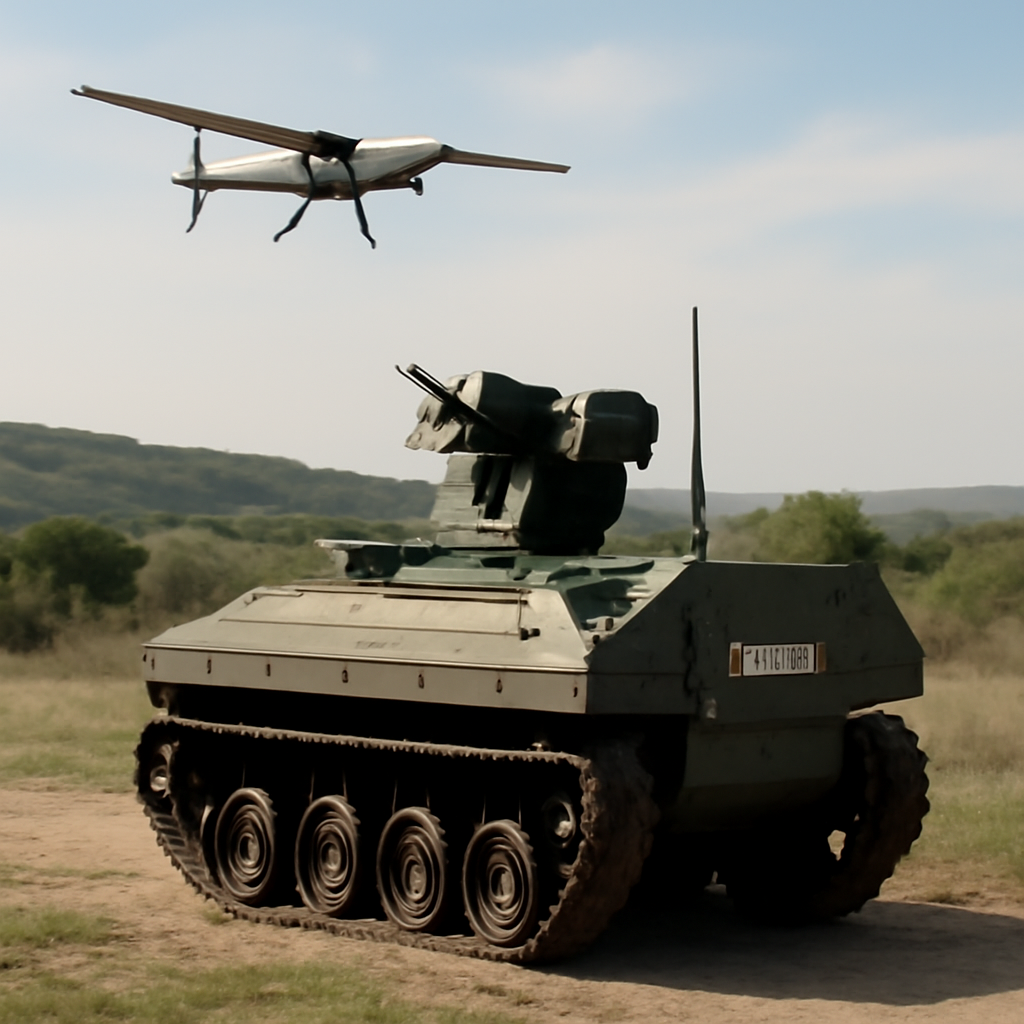
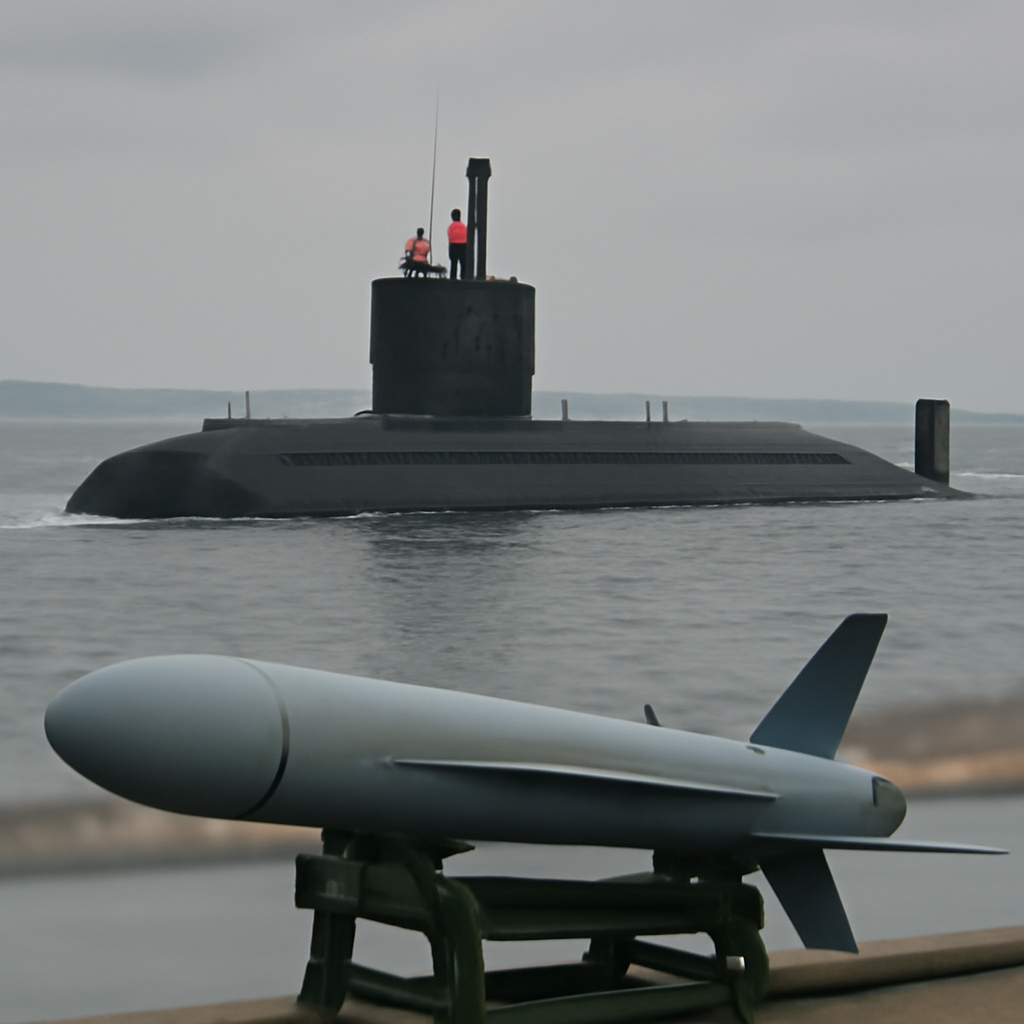
What does it mean when the Army moves to buy a capability that can reach up to 1,000 kilometers and schedules a demonstration within months? The decision forces a set of strategic questions: how will such a capability be used, who will operate and protect it, and what changes when weapons can be launched from far outside current engagement envelopes?
Background: a new class of "launched effects"
The Army is preparing an initial contract in the coming months for HADES, described by the service as an "ultra long-range" launched effect. The program seeks a capability that can potentially travel as far as 1,000 kilometers. A demonstration of that capability is planned later this year.
What the current plan says
The facts announced publicly are compact: the service intends to award an initial contract soon, and it is pursuing a launched effect with a notional reach on the order of 1,000 km. The timetable includes a demonstration later this year aimed at showing whether the capability meets the desired reach and performance characteristics.

Audit-ready is a season. It shouldn't be.
Evidence in spreadsheets, controls drifting between audits, frameworks multiplying on flat headcount. Nubivance runs continuous compliance on Rapid7 Cyber GRC - SOC 2, HIPAA, ISO 27001, PCI, CMMC.
End the scrambleWhy this matters
Extending the reach of a launched effect to around 1,000 kilometers would be a notable expansion of operational options. Such a capability changes the geometry of force projection: launch assets can be positioned further from a contested zone while placing effects at previously inaccessible depths. That shift can alter posture, basing requirements, and the mix of platforms tasked with carrying or supporting launches.
- Operational reach: A 1,000 km envelope expands the set of target areas that can be engaged without repositioning forward forces.
- Deterrence and signaling: The existence of long-reach effects can influence adversary calculations about sanctuary and freedom of action.
- Integration challenges: Introducing a new class of effect typically requires changes in command and control, targeting authorities, survivability measures, and sustainment concepts.
Perspectives and potential concerns
Technologists will focus on whether prototypes can reliably demonstrate the performance the Army seeks, including guidance, propulsion, and lethality or effect control across long transit distances. Policymakers will weigh how to align doctrine, rules of engagement, and oversight with an expanded strike radius. Users — the commanders and units who would employ the capability — will need training, new tactics, and logistical support to operate it effectively. Adversaries may view the development and demonstration of such reach as a signal and adjust their dispersal, air defenses, or targeting priorities.
Each perspective points to different risks and demands. Technical risk centers on achieving reliable, repeatable performance over long ranges. Organizational risk involves fitting a new capability into existing chains of command and doctrine. Strategic and political risks relate to escalation dynamics, alliance coordination, and international perception once demonstrations move from concept to operational reality.
What to watch next
Because the Army has committed to an initial contracting step in the coming months and a demonstration later this year, observers should track several near-term indicators: the timing and recipients of the contract award, technical details revealed at the demonstration, and any doctrinal or policy statements that accompany or follow the demo. These will illuminate whether HADES remains an experimental "launched effect" or begins a transition toward fielded capability.
As the program progresses, one question looms: when reach extends to new distances, how will doctrine, safeguards, and strategy evolve to match the capability on paper? The coming months will offer the first public answers.