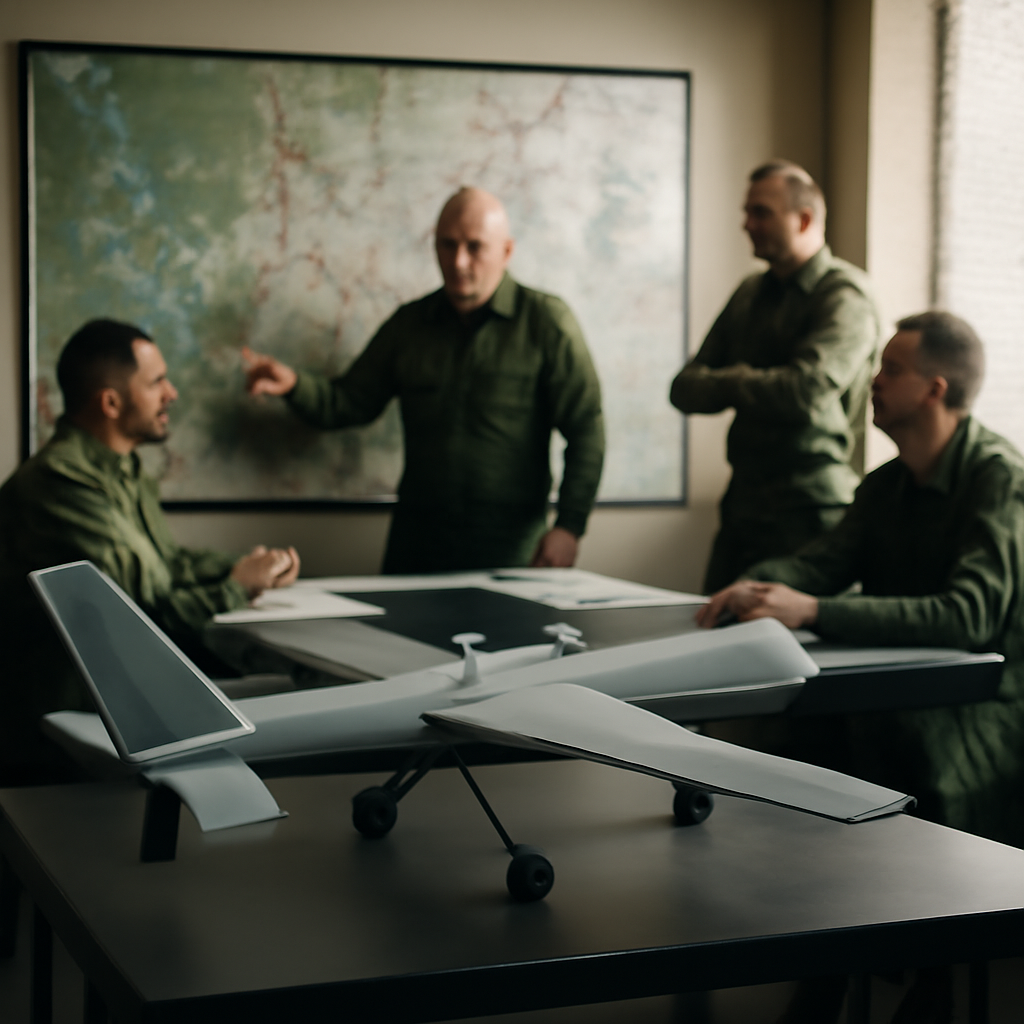
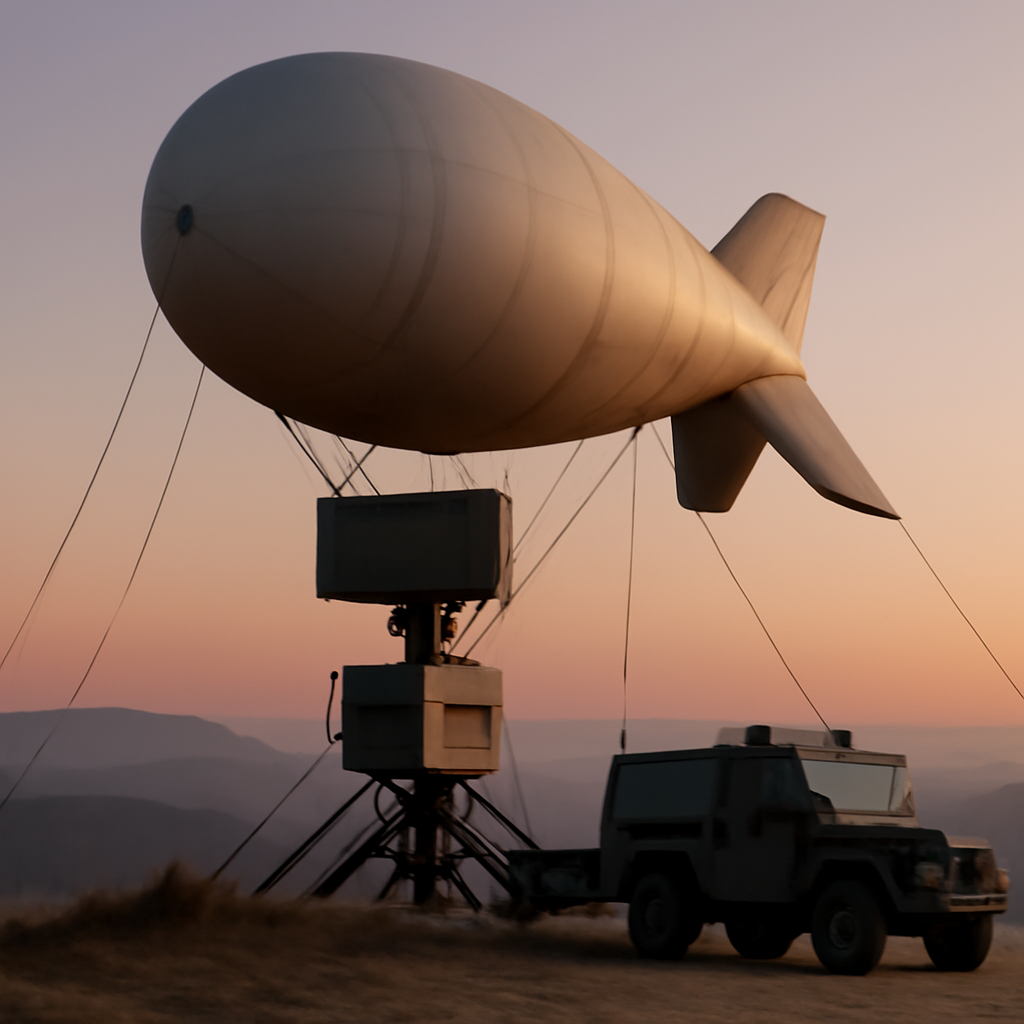
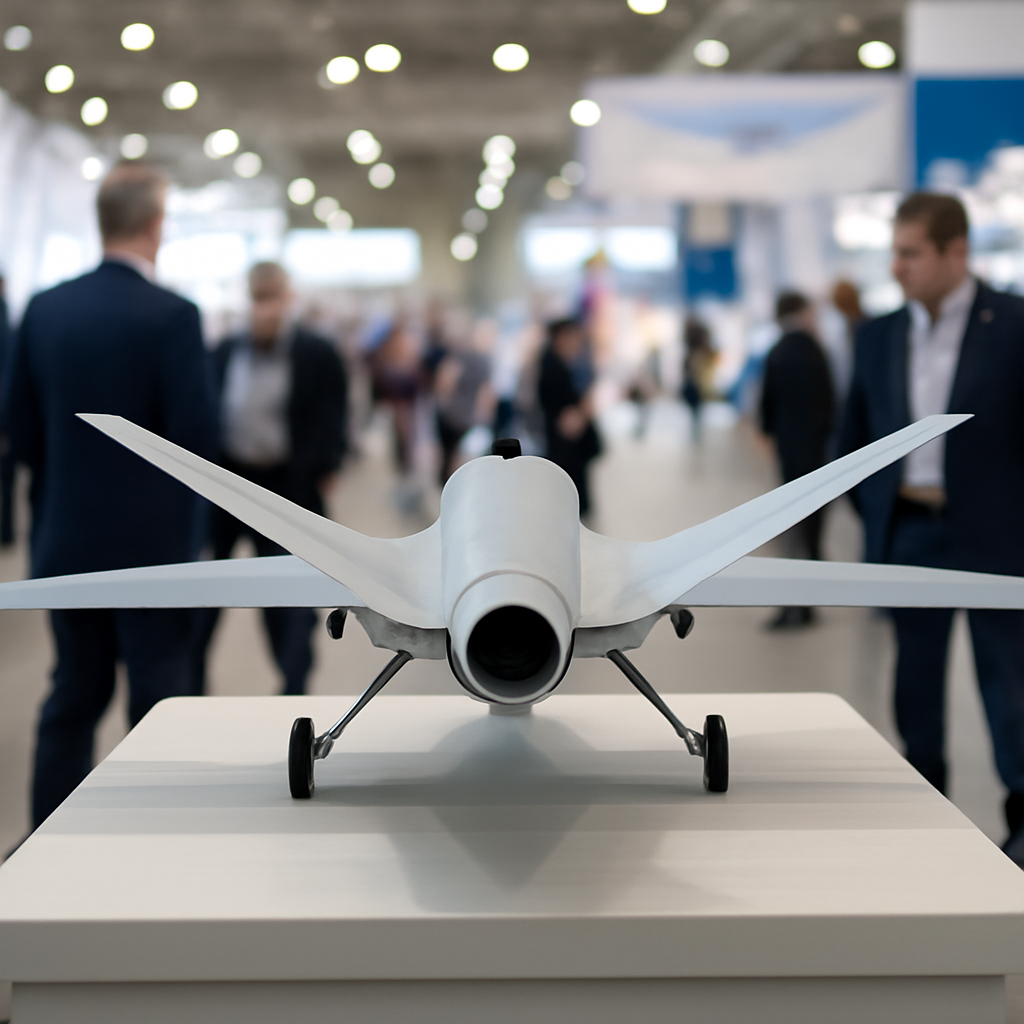
“We’ve known for a long time that our systems, weapons, and sensors need to talk to each other so that we can dominate the battlefield,” Army Secretary Dan Driscoll said in the service’s announcement of a new series of vendor hackathons.
Right to Integrate: a one-day brainstorming push
The Army has branded the effort “Right to Integrate.” Later this month the service will host the first of a series of one-day brainstorming sessions at Fort Carson, Colorado, designed to press contractors to make their software and systems easier to connect. The stated aim is to integrate command-and-control software across “dozens” of military systems so battlefield and business systems can better share data and communicate, according to the Army’s news release.
Why the Army is convening vendors now
In the release the Army linked the initiative to operational urgency. “The war in Ukraine showed the world that speed matters and an open architecture construct is highly effective in high‑intensity warfare. We haven’t been moving fast enough,” Secretary Driscoll said. The Army framed the hackathons as a way to move beyond decades of “standards [that] come and go” and to reduce reliance on “closed and proprietary interfaces” and systems that “lack the flexibility to adapt over time,” as Alex Miller, the Army’s chief technology officer, put it.

Audit-ready is a season. It shouldn't be.
Evidence in spreadsheets, controls drifting between audits, frameworks multiplying on flat headcount. Nubivance runs continuous compliance on Rapid7 Cyber GRC - SOC 2, HIPAA, ISO 27001, PCI, CMMC.
End the scrambleWhich companies will attend at Fort Carson
Engineers and scientists from nine suppliers are slated to participate in the first event: Anduril, Boeing, General Dynamics, L3Harris, Lockheed Martin, Northrop Grumman, Palantir, Perennial Autonomy, and RTX. The release says those companies will support the session with “dozens of pieces of technology and equipment” for the brainstorming and integration work planned for the one‑day meeting.
How this relates to the next‑generation C2 platform
The Army described the hackathons as complementary to its effort to build a next‑generation command‑and‑control (C2) platform using an open‑architecture approach. While that new platform is being developed with openness in mind, the service characterized this vendor engagement as a way to help existing platforms “deconflict their operating systems” so they can begin to “talk to each other” in the near term.
What this means for technologists, procurement leaders, and warfighters
- Technologists and developers: The event will bring vendor engineers and scientists together with multiple pieces of equipment and software, creating a concentrated forum to identify interface mismatches and practical integration steps.
- Procurement leaders and program offices: The Army is using the sessions to push contractors toward interoperable solutions, signaling an administrative effort to change how systems are fielded and to reduce dependence on closed, proprietary interfaces.
- Warfighters and operators: The Army’s public rationale centers on battlefield utility — speed and the ability of sensors, drones, and weapons to share a common operational picture — which the service says is necessary to “dominate the battlefield.”
The Army’s approach is deliberately tactical: one‑day, vendor‑focused hackathons aimed at immediate integration challenges, paired with longer‑term construction of an open‑architecture C2 platform. The first such session will convene later this month at Fort Carson, Colorado, with nine named vendors and “dozens” of systems and pieces of equipment brought to the table. Whether that concentrated, vendor-driven push produces durable, cross‑platform connections will be seen in the coming months as the Army attempts to translate the service’s stated priorities into working interoperability on the ground.