“A couple of the software patches have gone forward, luckily…we're still in a lull of action,” Alex Miller, the Army’s chief technology officer, said, describing work from a recent Fort Carson coding sprint that has already reached deployed troops in CENTCOM.
Project Jailbreak: a Fort Carson hackathon to stitch systems together
At Fort Carson, Colo., engineers from leading defense contractors gathered for what the Army described as its first hackathon to integrate proprietary software programs. Dubbed Project Jailbreak, the events asked companies to open their systems to each other and write code to make independently developed weapons, sensors, and command-and-control systems share information more gracefully.
Who showed up and what they are linking
The effort pulled volunteer engineering teams from a broad roster of firms. Representatives from Anduril, Boeing, General Dynamics, L3Harris, Leidos, Lockheed Martin, Northrop Grumman, Palantir, Perennial Autonomy, and RTX worked on integrating dozens of their products, according to Army officials.
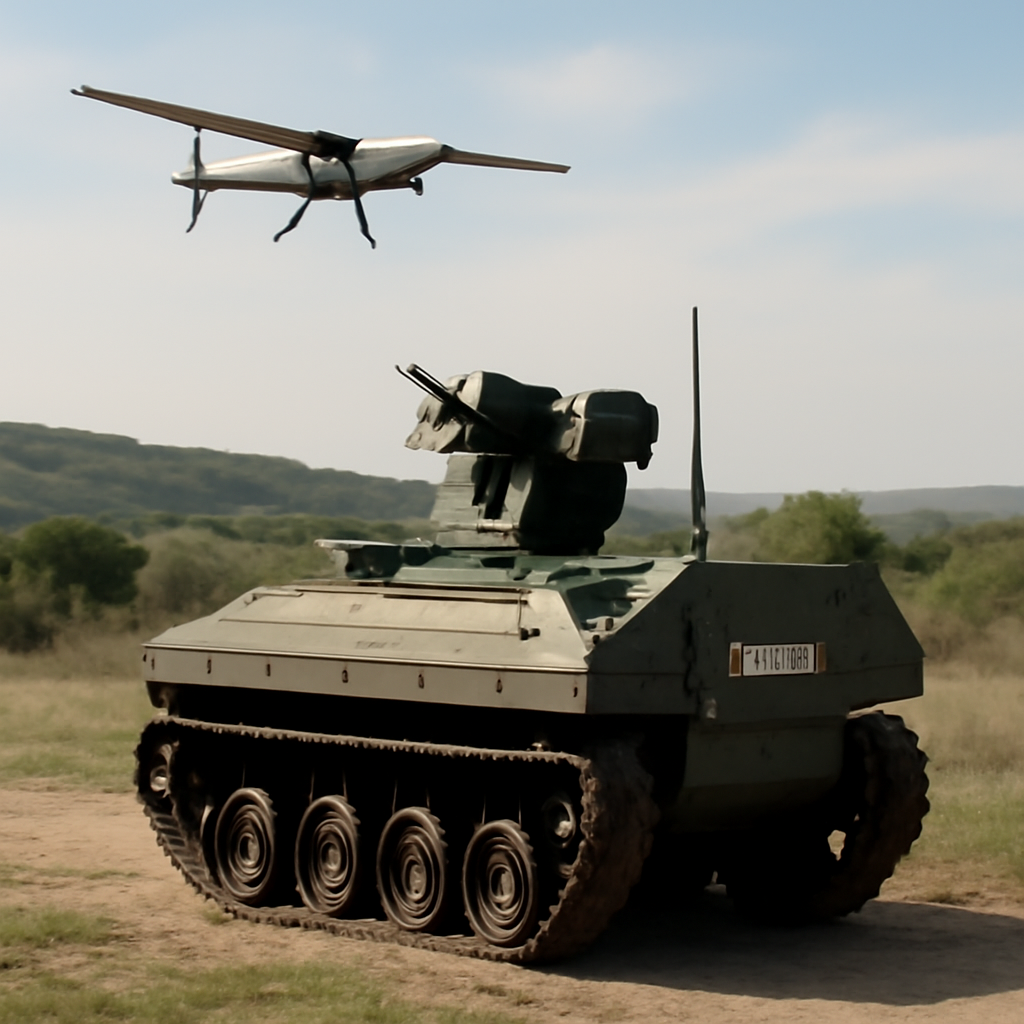
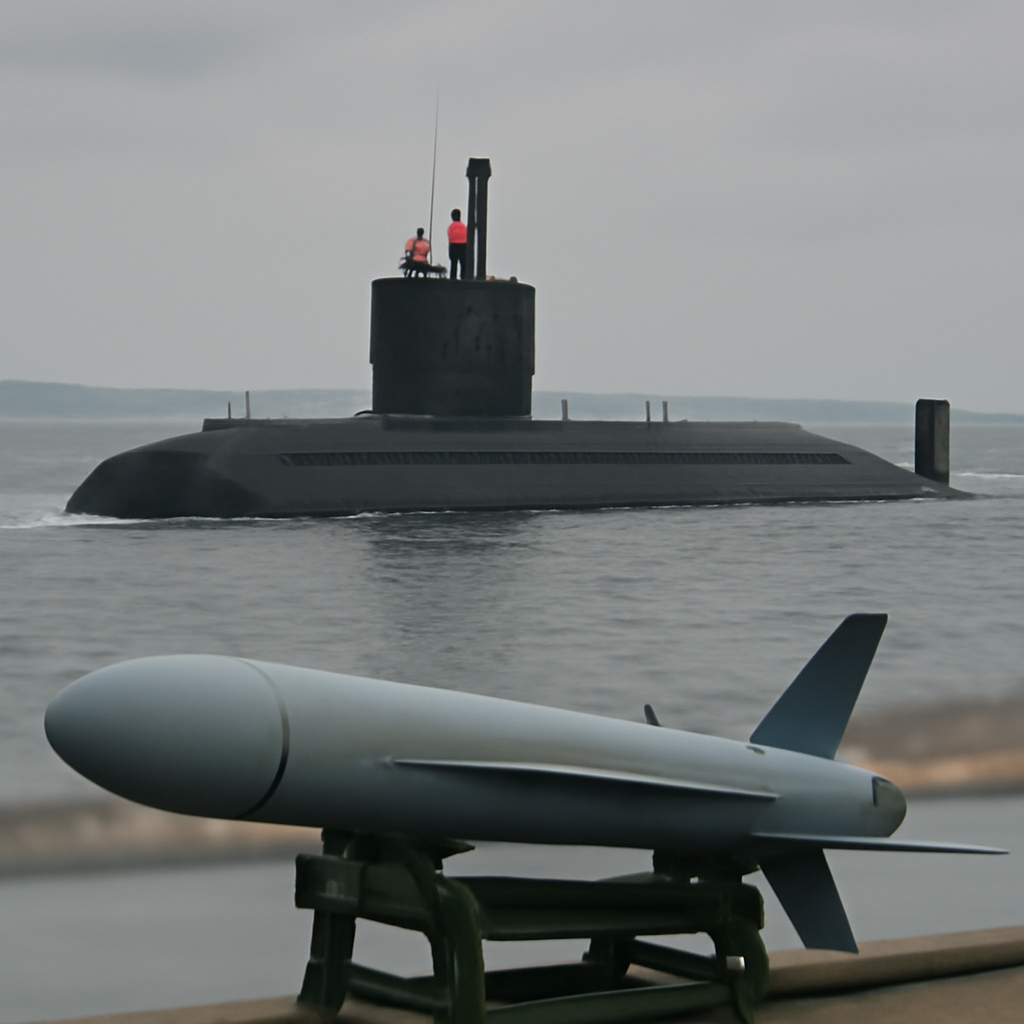
The first push at the hackathon targeted integration of existing counter-unmanned and air-missile defense systems — a priority framed by officials as tightening protections against types of weapons that have targeted U.S. troops in the Middle East during the war in Iran.

This site is the portfolio.
OSINTSights runs on Cloudflare Workers, D1, R2, and Vectorize, with an AI pipeline on Hetzner ARM. Nubivance designed, built, and operates it. We do the same for clients.
See what we buildWhy the Army says this matters: too many screens, too little decision space
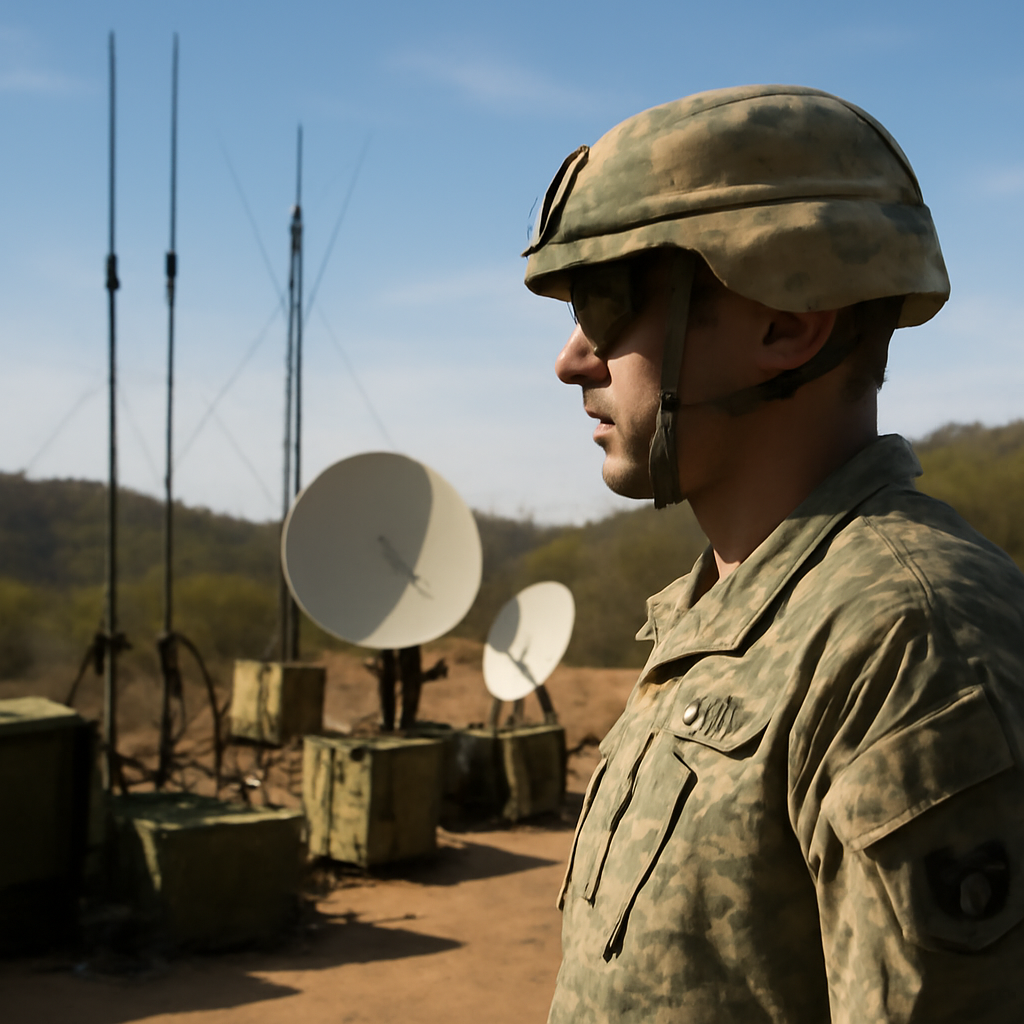
Army leaders argued that decades of adding systems had produced a patchwork of visual displays that force soldiers to act as the integration point. “So if you've been into any joint operation center or tactical operation center, there's screens everywhere,” Alex Miller said. “What that has unintentionally done over time is forced our people to be the integration point, which is really rough if you're cold, tired, wet, and hungry.”
The Army is pursuing a next-generation command-and-control platform to address that problem in the future; that platform, officials said, remains in testing and development. Project Jailbreak is intended as an immediate, pragmatic step to link existing capabilities now rather than wait for the new platform to mature.
Patches already in the field — and a 30-day push
Some of the fixes produced during Project Jailbreak have already been pushed to deployed troops in CENTCOM, Miller confirmed. He characterized the current operating environment as “still in a lull of action” and said the patches have not been used “in an offensive capacity.”
Miller added a timetable: “Our goal is to push the rest of that forward in the next 30 days.” Brent Ingraham, the Army’s assistant secretary for acquisitions, logistics, and technology, echoed the 30-day framing, saying, “At the end of 30 days, hopefully we've given them more decision space, more space to be able to decide what system, what effector, how they're going to defeat the threats that they're facing every day.”
What this means for defense contractors, Army acquisition leaders, and CENTCOM troops
- Defense contractors and their engineers: The companies present were willing to send staff “on their own dime” and to open proprietary interfaces for the sake of interoperability, officials said — a move designed to resolve a perceived “first-mover problem” that had previously kept firms from being the initial party to connect systems.
- Army acquisition and technology leaders: The hackathon model positions the Army as convener and catalyst. Army Secretary Dan Driscoll said the convener role — “requiring everybody—or strongly recommending everybody—to show up” — removed barriers and “unlocked massive momentum.” Acquisition leaders are using that momentum to push patches into operational units quickly, with a 30-day expectation for further rollout.
- CENTCOM-deployed troops and operators: Troops in the theater have already received some of the fixes, intended to reduce the number of separate displays and give operators clearer decision space when responding to threats such as unmanned systems or air-launched munitions.
Project Jailbreak reframes a familiar acquisition challenge as an operational sprint: instead of waiting for a fully modernized command-and-control platform still in testing, the Army convened industry to produce immediate, shareable software patches. The next 30 days will test whether the momentum Secretary Driscoll described translates into broader, sustained interoperability across the dozens of products companies brought to Fort Carson — and whether those integrations deliver the “more decision space” Brent Ingraham and Alex Miller say troops need.