“I’ve been asked by the vice [chief of staff] and our acting chief to execute in conjunction with the Australians a CAML-light sprint to help the Australians meet some of their capability requirements,” Lt. Gen. Frank Lozano, the Portfolio Acquisition Executive for Fires, said at the AUSA conference.
Lozano outlines a CAML-light sprint and near-term schedule
Lt. Gen. Frank Lozano said the Army will pursue a light variant of the Common Autonomous Multi-Domain Launcher (CAML) in concert with the Australian military and that a request for information (RFI) will be published “in the near future.” He said the service is looking to make some “early selections” in the March to April timeframe that could lead to a “potential” live‑fire demonstration in June or July, followed by a down‑select.
Lozano did not provide details on the Australian military’s role in the effort or explain why the service moved to add a light variant after previously focusing on medium and heavy variants.
CAML’s purpose and variant architecture
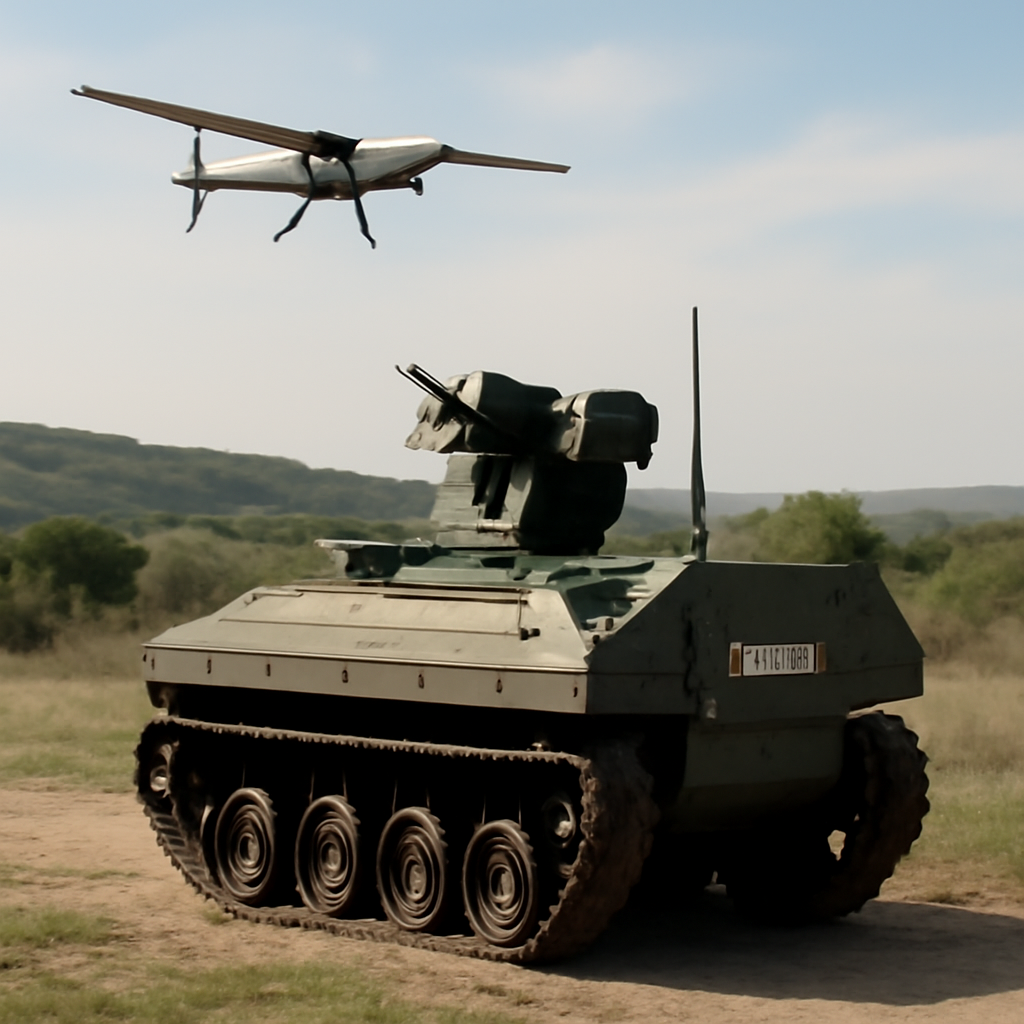
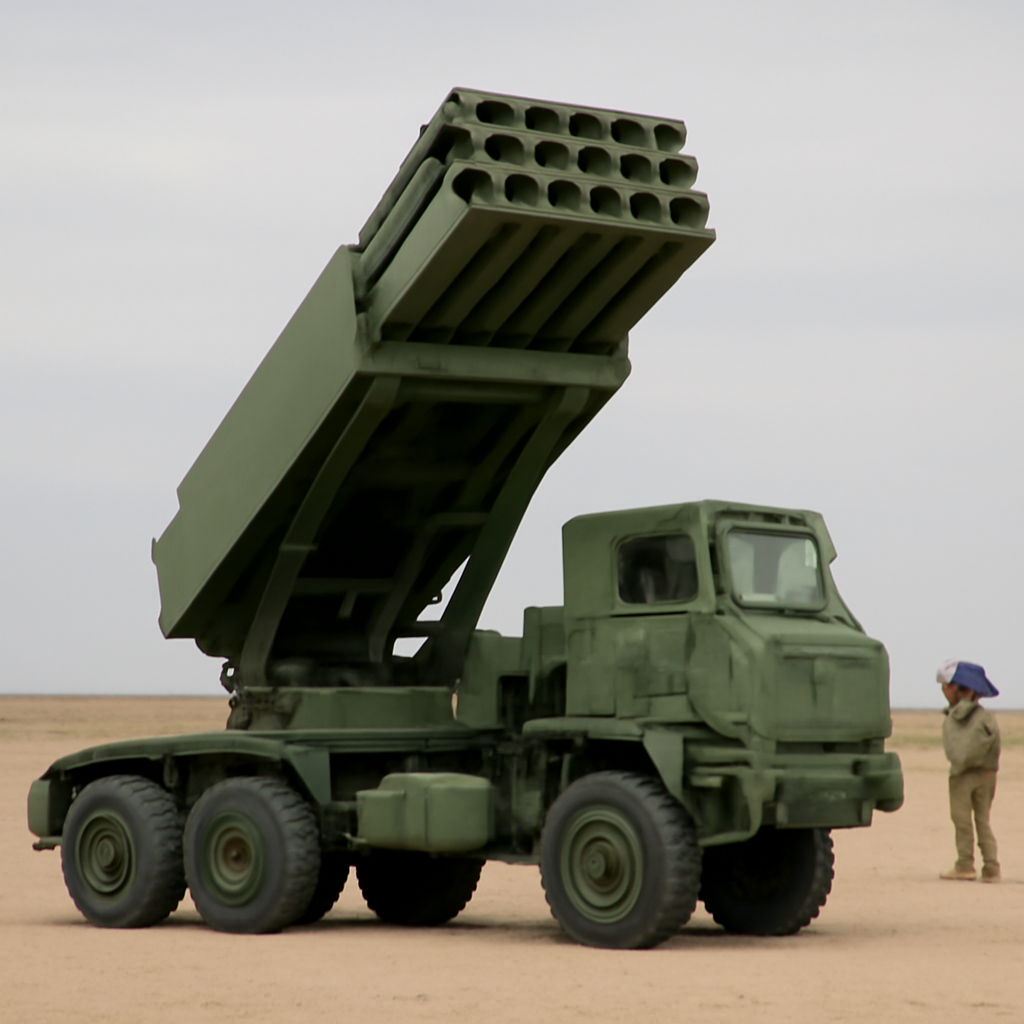
The CAML program is intended to replace the Army’s Typhon — the service’s Mid‑Range Capability (MRC) long‑range launcher — after the Army found Typhon to be too large to operate on the battlefield. The new launchers are described as autonomous, optionally crewed, “highly mobile” cross‑domain fires launchers designed to be air transportable.
Lozano said the Army is pursuing a mix of launcher sizes and is “looking at a strategy here where we take a scenario where we don’t have every missile having its own unique launcher and [we’re] trying to collapse down [to] a maximum of three.” That plan frames the medium, heavy, and now light variants as complementary pieces of a three‑launcher architecture.

Audit-ready is a season. It shouldn't be.
Evidence in spreadsheets, controls drifting between audits, frameworks multiplying on flat headcount. Nubivance runs continuous compliance on Rapid7 Cyber GRC - SOC 2, HIPAA, ISO 27001, PCI, CMMC.
End the scrambleRecent contract awards and imminent decisions
In September the Army awarded Georgia Tech Research Institute up to $33.4 million to serve as the lead weapons systems integrator for the medium CAML variant. Lozano told the AUSA audience that awards for a munitions palette provider and the autonomous platform provider for the medium program should be announced within the next 30 days.
For the heavy variant, Lozano said his office is “starting to look” at the 2028–2029 timeframe for that launcher, indicating a staggered development and acquisition timeline across variants.
Industrial base approach: avoid single‑vendor choke points
Lozano emphasized the Army’s intent to keep multiple vendors involved across CAML variants to reduce the risk of manufacturing constraints. “We have to break the old tradition of doing a competition and going down to one vendor, and then going all in on one single vendor, because then you just created a sole source environment, a choke point, and a manufacturing constraint,” he said.
The plan for the light variant mirrors the medium program’s approach: more than one vendor will work on the design to preserve capacity and provide multiple missile and munition options for each capability requirement.
What this means for munitions providers, platform integrators, and the Australian military
- Munition providers: Multiple slots and a stated desire for several munition solutions create opportunities for competing palettes to be chosen, especially given the planned near‑term awards for the medium variant’s munitions palette.
- Platform integrators and autonomous platform providers: With Georgia Tech Research Institute named as the medium variant’s lead integrator and platform awards imminent, integrators will be watching the upcoming RFI for the light sprint and the announced 30‑day timeline for medium platform awards.
- Australian military: The Australians are a named partner in the CAML‑light sprint intended to “help the Australians meet some of their capability requirements,” though Lozano did not disclose specific responsibilities or contributions.
The Army’s next concrete moves are now visible: an RFI for CAML‑light, early selections targeted in March–April, a potential June–July live‑fire demonstration, and imminent medium‑variant awards for munitions and autonomous platforms. How those steps play out will determine whether the service achieves Lozano’s aim of consolidating launcher types while avoiding single‑vendor choke points and meeting the Australian partnership objective.