The aircraft and the mission
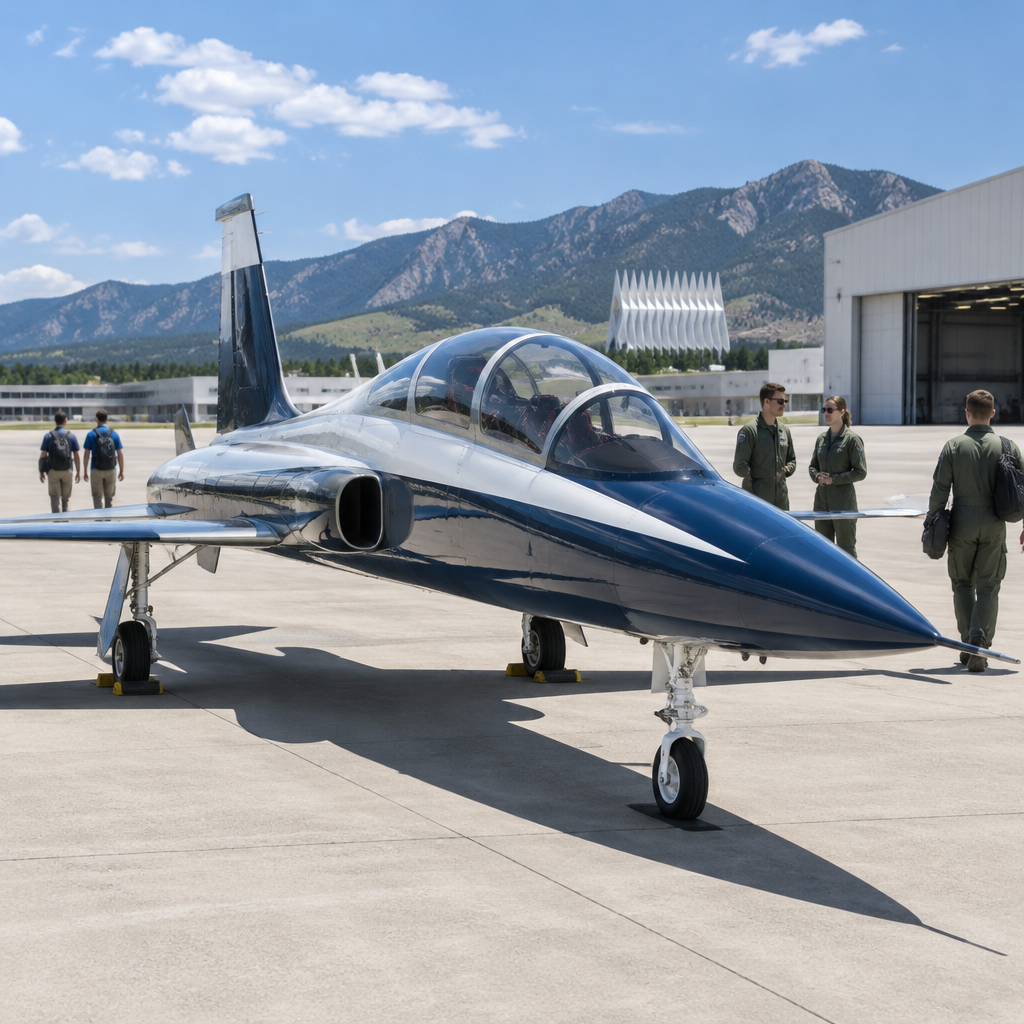
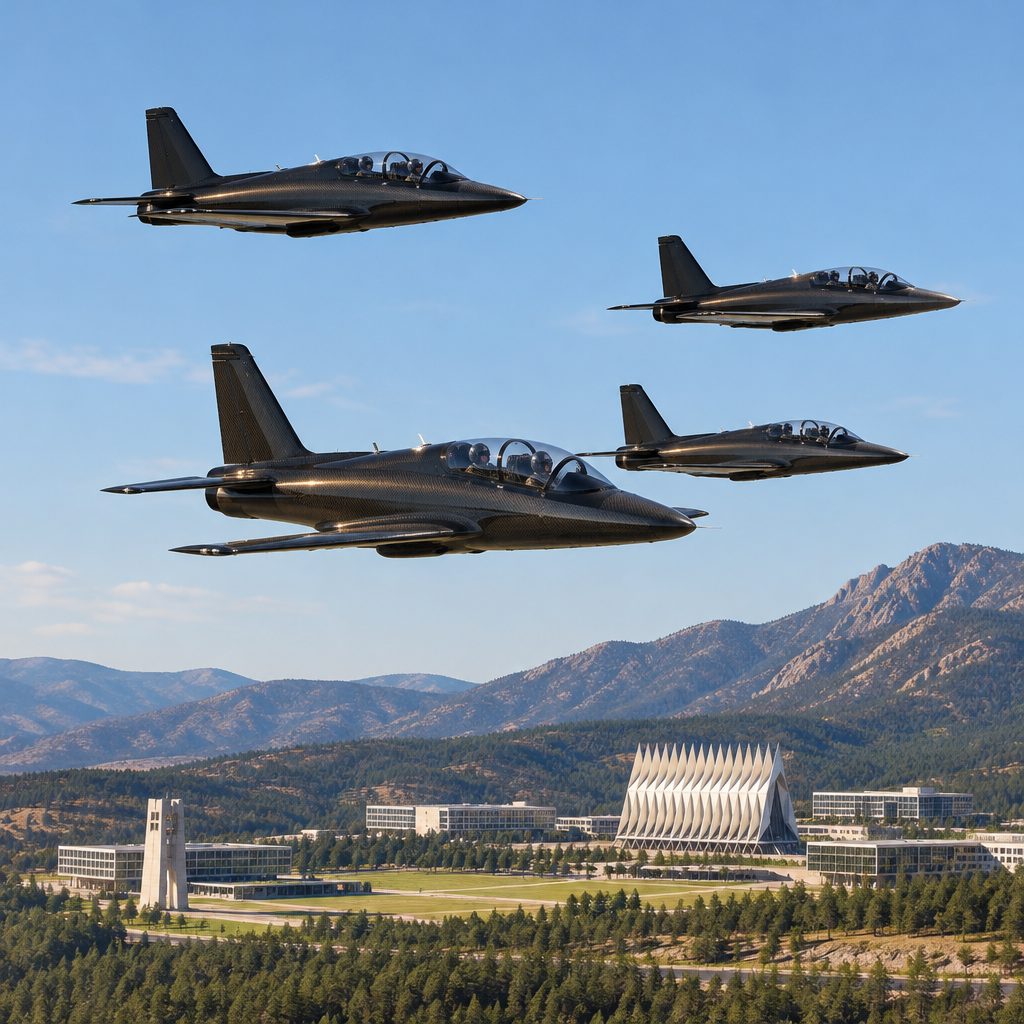
The U.S. Air Force has unveiled four T-19A Kestrel aircraft — two-seat, single-engine GB1 Gamebird all‑carbon‑fiber aerial performance planes built by Game Aerospace Composites of Bentonville, Arkansas — and flew them over the U.S. Air Force Academy during a public debut on Nov. 12, 2026. The service says the Kestrels will expand cadet airmanship opportunities by providing exposure to high g‑force, powered aerobatic flying and will form the basis for a new aerobatic demonstration and competitive team.
Why the Air Force chose the Kestrel
The Academy described the T-19A as its first powered aerobatic aircraft and said the type “will enhance the Academy’s elite airmanship program.” Secretary of the Air Force Troy Meink framed the procurement as an example of speed and innovation within the Department of the Air Force and said cadets will eventually take on greater roles in training and demonstrations to better prepare them for active‑duty pilot training.

This site is the portfolio.
OSINTSights runs on Cloudflare Workers, D1, R2, and Vectorize, with an AI pipeline on Hetzner ARM. Nubivance designed, built, and operates it. We do the same for clients.
See what we buildAn unusual procurement and the money behind it
Unlike typical Air Force aircraft programs, the Kestrel acquisition did not follow a lengthy development path. An Air Force official told the publisher that the four T-19A aircraft were delivered in under a year and that the acquisition was paid for “through a gift from corporate and civilian donations and the Air Force.” That official said the gift is worth $3 million and that the Air Force invested approximately $400,000 more to provide initial spares, support equipment and aircrew flight equipment for the initial cadre and future cadets.
Longer‑term sustainment will move into routine budgeting: funding for operations and maintenance “will be programmed through standard Air Force budget processes,” the official said, and the annual amount to sustain the aircraft is “just over $1 million,” to be funded through weapon system sustainment accounts. That annual funding will cover operations, fleet sustainment and temporary duty travel to national collegiate aerobatic competitions.
Training, staffing and the demonstration plan
Lt. Gen. Paul D. Moga, Academy superintendent, said the aircraft will train cadets in ways “previously not possible” and that the T-19A is fully cleared for Academy operations. The superintendent selected six active‑duty military pilots from the Academy staff and the 306th Flying Training Group to be the initial cadre responsible for developing and executing an aerobatic training curriculum. The active‑duty pilots will serve as the primary performers for an initial demonstration team, flying at “high‑profile recruiting events and air shows nationwide.”
The Air Force envisions a future transition to greater cadet involvement: the program’s long‑term goal is to “build a premier capability that evolves to include greater cadet involvement in training, demonstrations and program operations,” and the team hopes to field a competitive division participating in International Aerobatic Club and equivalent competitions.
Safety, basing and rules of flight
All T-19A operations will be based at the U.S. Air Force Academy’s Davis Airfield. The Air Force said safety is foundational: operations will use a robust Safety Management System tailored to low‑altitude, high‑performance aerobatics, and “all flight and ground operations will follow the more restrictive requirements of Federal Aviation Administration regulations and/or U.S. Air Force safety instructions.” The service also noted that the aircraft recently completed final military certification flights prior to the public debut.
What this means for cadets, the Academy, and recruiters
- Cadets: The Kestrels provide earlier, higher‑performance aerobatic experience and additional flight hours prior to entering Undergraduate Pilot Training, a direct benefit the Air Force expects will strengthen airmanship and leadership development.
- The Academy: Davis Airfield will host the aircraft and the institution will manage curriculum development and program operations, beginning with a six‑pilot active‑duty cadre and aiming for eventual cadet participation in demonstrations and competitions.
- Recruiters: The demonstration team is explicitly slated to perform at high‑profile recruiting events and air shows nationwide, serving as a visual recruiting tool amid ongoing concerns about pilot recruitment and retention highlighted in prior reporting.
The Kestrel name itself came from a cadet recommendation; the Air Force said cadets selected the name because kestrels are “falcons known for their agility, acceleration, razor‑sharp vision and ability to strike with precision.” The program leaves several timeline questions open — when cadets will begin training in the aircraft and when cadet members might join the demonstration team — but establishes a clear path: a donated, rapidly delivered aerobatic platform, an initial active‑duty cadre, and a plan to fold the capability into the Academy’s airmanship and recruiting efforts.
Read the original story at TWZ.