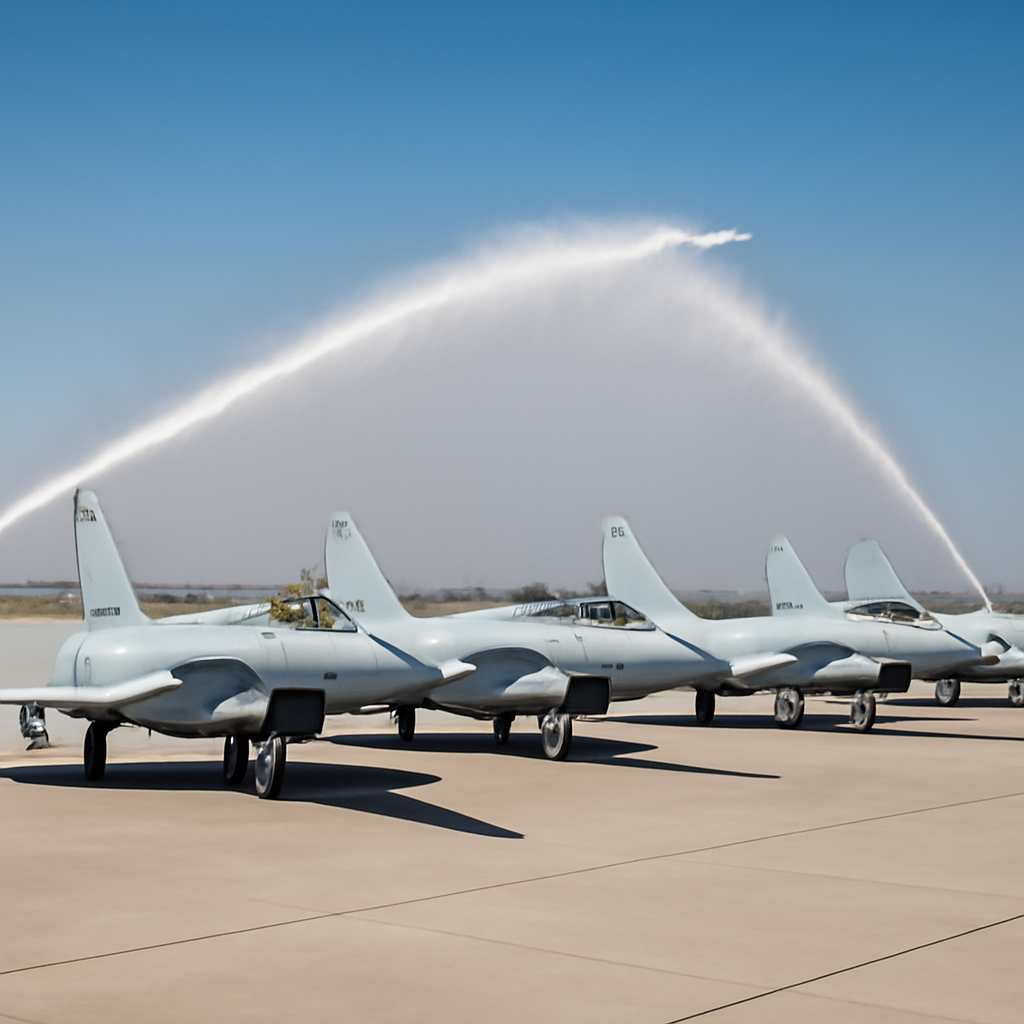
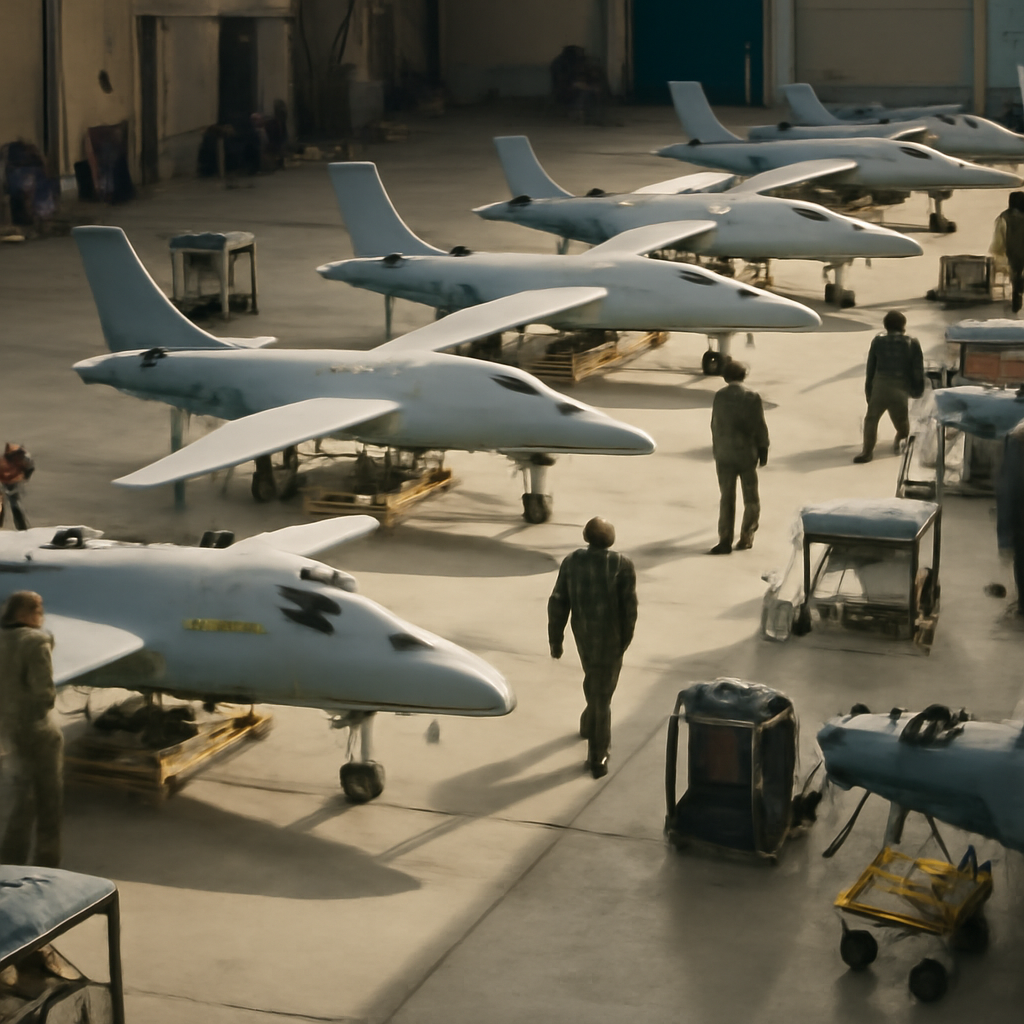
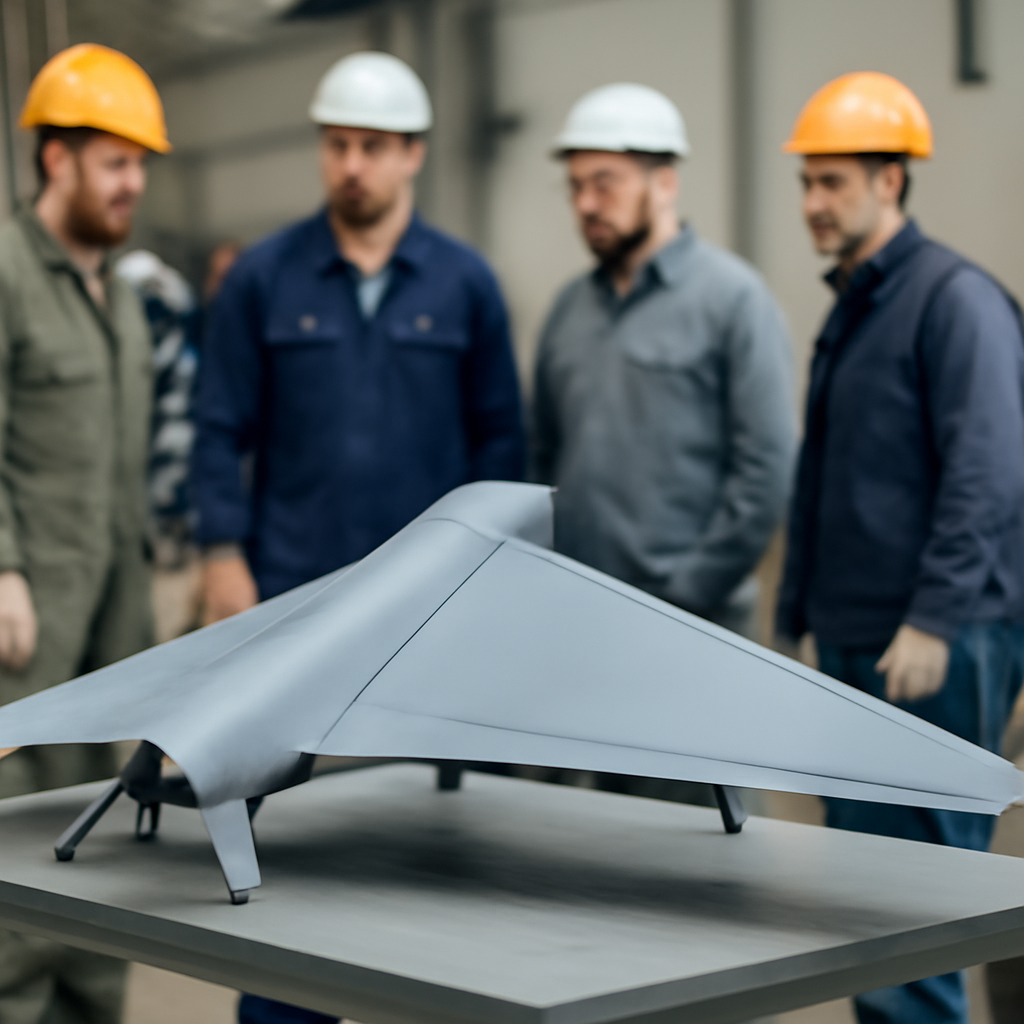
Advancing Army Aviation: The Impact of Autonomous Solutions

Executive Summary
The integration of autonomous solutions into military operations is transforming the landscape of Army aviation. This report examines how advanced technologies, such as collaborative autonomy and Launched Effects, are enhancing the capabilities of the U.S. Army. By leveraging these innovations, the Army aims to improve operational efficiency, reduce risks to personnel, and maintain a strategic edge in modern warfare. This analysis will explore the implications of these technologies across various dimensions, including military effectiveness, economic considerations, and diplomatic relations.
Technological Advancements
Autonomous solutions are at the forefront of military innovation, with several key technologies being developed:
- Collaborative Autonomy: This technology enables multiple autonomous systems to work together seamlessly, enhancing situational awareness and operational effectiveness.
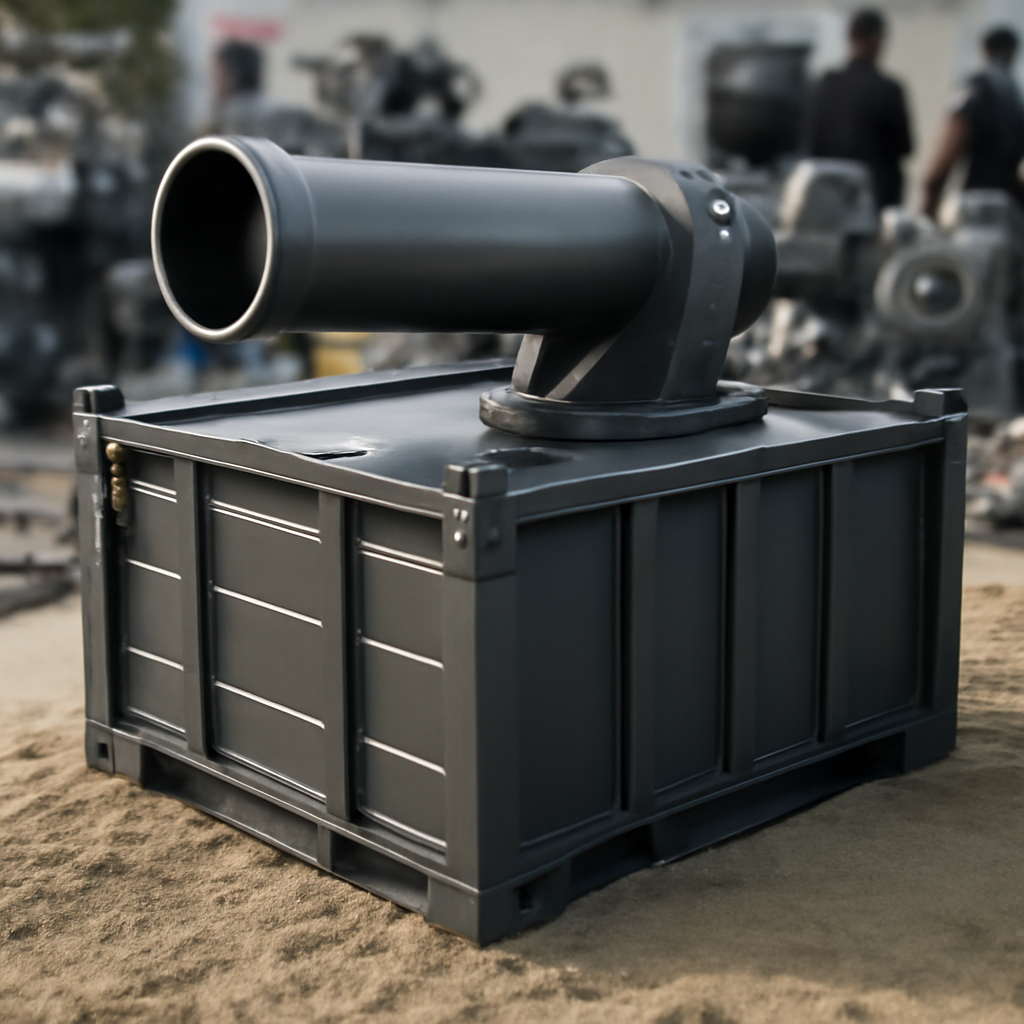
- Launched Effects: These are advanced munitions and systems that can be deployed autonomously, allowing for precision strikes with reduced risk to human operators.
- Artificial Intelligence (AI): AI algorithms are being utilized to analyze vast amounts of data, improving decision-making processes in real-time combat scenarios.
Military Implications
The adoption of autonomous solutions has significant military implications:
- Enhanced Operational Efficiency: Autonomous systems can perform repetitive tasks, allowing human operators to focus on more complex decision-making.
- Risk Mitigation: By deploying unmanned systems in high-risk environments, the Army can reduce the potential for casualties among personnel.
- Strategic Advantage: The integration of these technologies can provide the U.S. Army with a competitive edge over adversaries who may not have access to similar capabilities.
Economic Considerations
The economic impact of integrating autonomous solutions into Army aviation is multifaceted:
- Cost Efficiency: While initial investments in technology can be high, the long-term savings from reduced personnel costs and increased operational efficiency can be substantial.
- Job Transformation: The shift towards automation may lead to changes in job roles within the military, necessitating new training programs for personnel.
- Industry Growth: The demand for advanced autonomous systems is likely to stimulate growth in the defense technology sector, creating new business opportunities.
Diplomatic Implications
The deployment of autonomous solutions in military operations can also affect international relations:
- Arms Race Concerns: The advancement of autonomous military technologies may lead to an arms race, as other nations seek to develop similar capabilities.
- Alliances and Partnerships: Collaborative efforts in developing and deploying these technologies can strengthen alliances and foster international cooperation.
- Ethical Considerations: The use of autonomous systems raises ethical questions regarding accountability and the potential for unintended consequences in warfare.
Conclusion
The integration of autonomous solutions into Army aviation represents a significant shift in military operations. While these technologies offer numerous advantages, they also present challenges that must be addressed. A balanced approach that considers military effectiveness, economic impact, and diplomatic relations will be essential as the U.S. Army continues to advance its capabilities in the realm of autonomous systems.