[SPONSOREDNUBIVANCE]
Rapid7 deployed right the first time.
Full-platform Rapid7 rollouts - InsightVM, InsightIDR, event sources, agents, tuning - by a Registered Partner who has done it at state-agency scale, including OT/SCADA.
Talk deploymentCybersecurity intelligence, threat analysis, and national security reporting.

The Pentagon is shaking up its accounting rules, embracing commercial practices in a move that could bring big changes to government contracts. Deputy Secretary Stephen Feinberg says the department will now accept GAAP-based accounting across all contracts to the fullest extent allowed by law.

The US Air Force is considering reviving F-16 production to address a fighter shortfall, with Lockheed Martin pitching an enhanced F-16G model featuring advanced capabilities like conformal fuel tanks and an infrared search-and-track system.

Australia can accelerate its defence capabilities by months, not years, by leveraging commercial providers - a crucial strategic choice in today's fast-paced security landscape. By adopting commercially owned, commercially operated models, the government can rapidly acquire cutting-edge solutions without the hefty upfront costs.
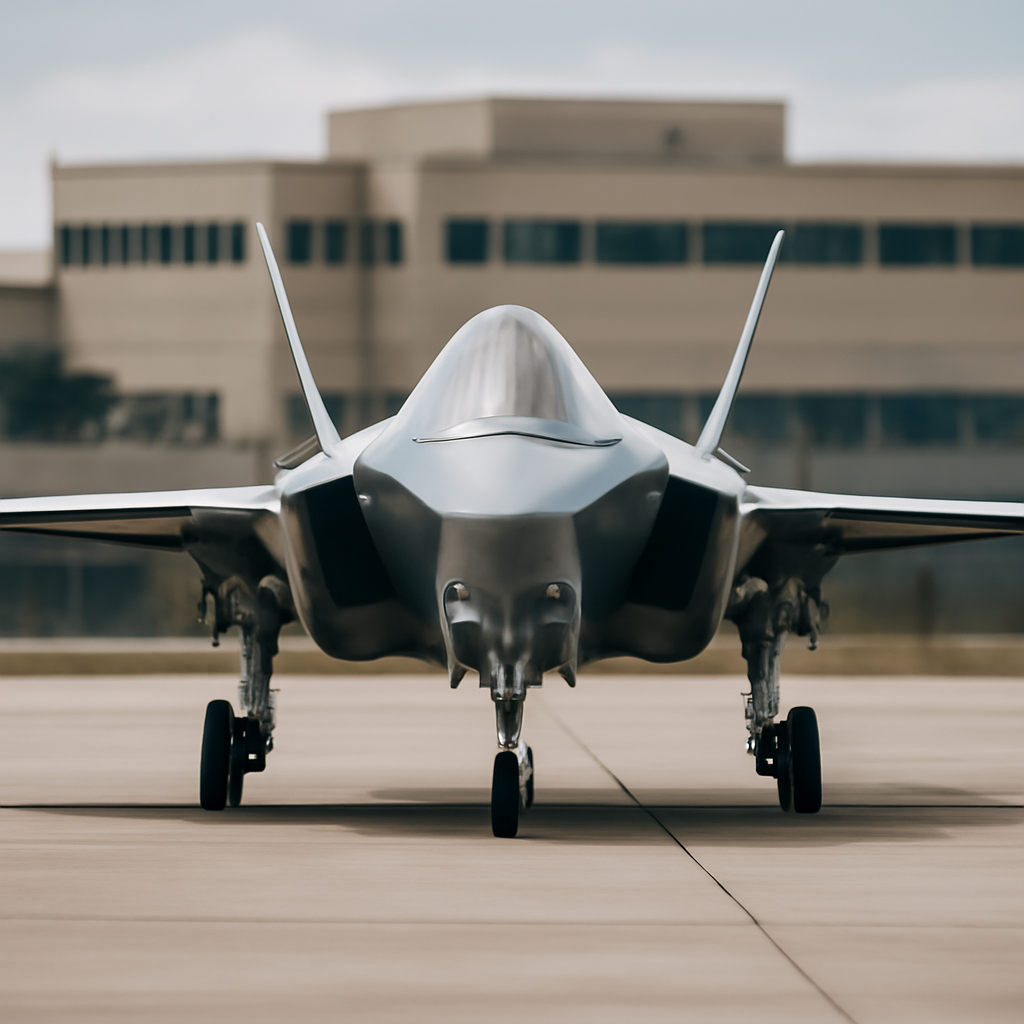
The US has greenlit a massive $24.3 billion deal for Saudi Arabia to purchase up to 48 F-35A aircraft, strengthening the countries' security partnership. The sale, which now heads to Congress for review, aims to bolster long-term cooperation and stability in the region.
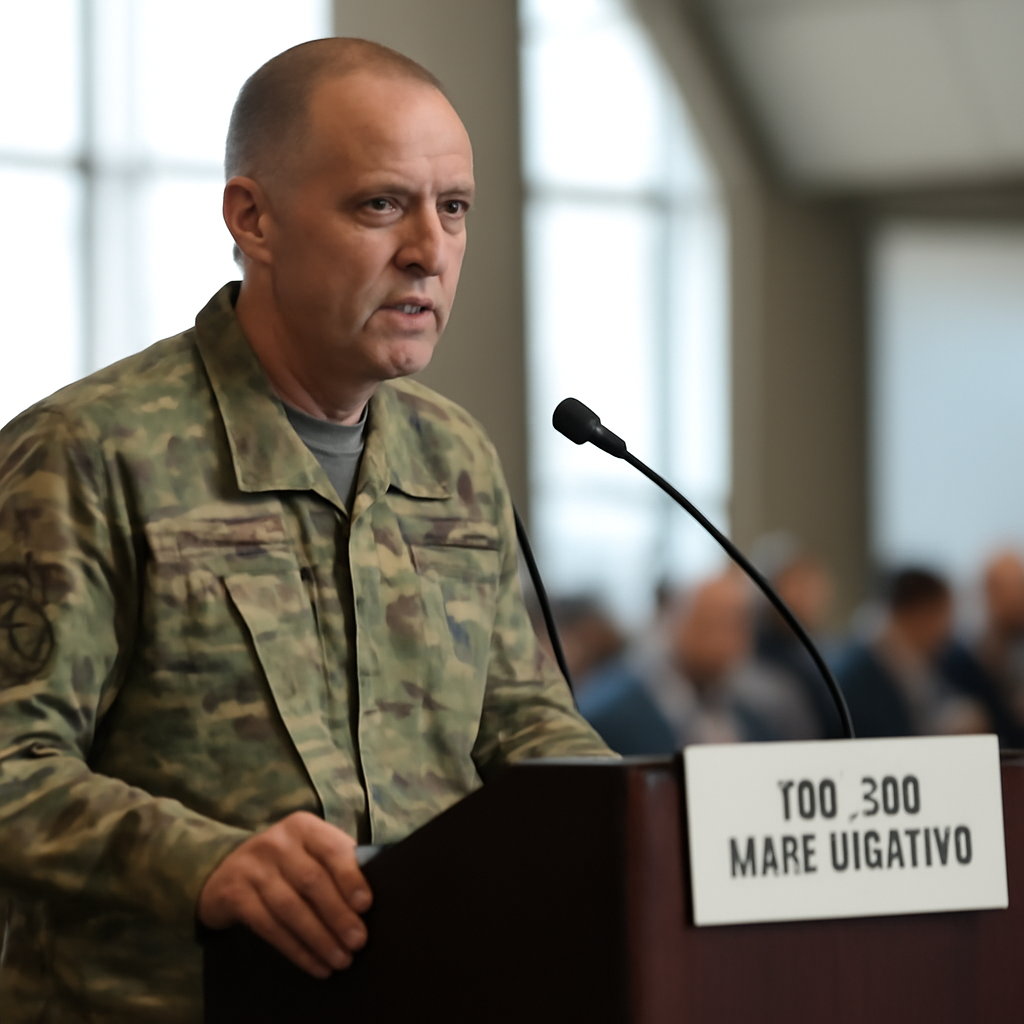
The Air Force is speeding up tech integration while prioritizing safety, with a focus on balancing urgency with caution to avoid unnecessary risks. Brig. Gen. Mark Massaro emphasizes that safety always comes first, especially given the potentially hazardous nature of their work.

Meet Huanyu Zhiying 1.0, an AI system that can simulate foreign media reporting and craft tailored responses to shape global public opinion. This cutting-edge tool can mimic the perspectives of over 10,000 users across 18 countries, allowing China to refine its global propaganda tactics like never before.

The US has greenlit a massive $24 billion deal to sell 48 F-35 fighter jets to Saudi Arabia, a move that will bolster the security of a key ally in the Gulf region and support US foreign policy goals. This sale will help Saudi Arabia continue to promote stability and economic growth in the area.
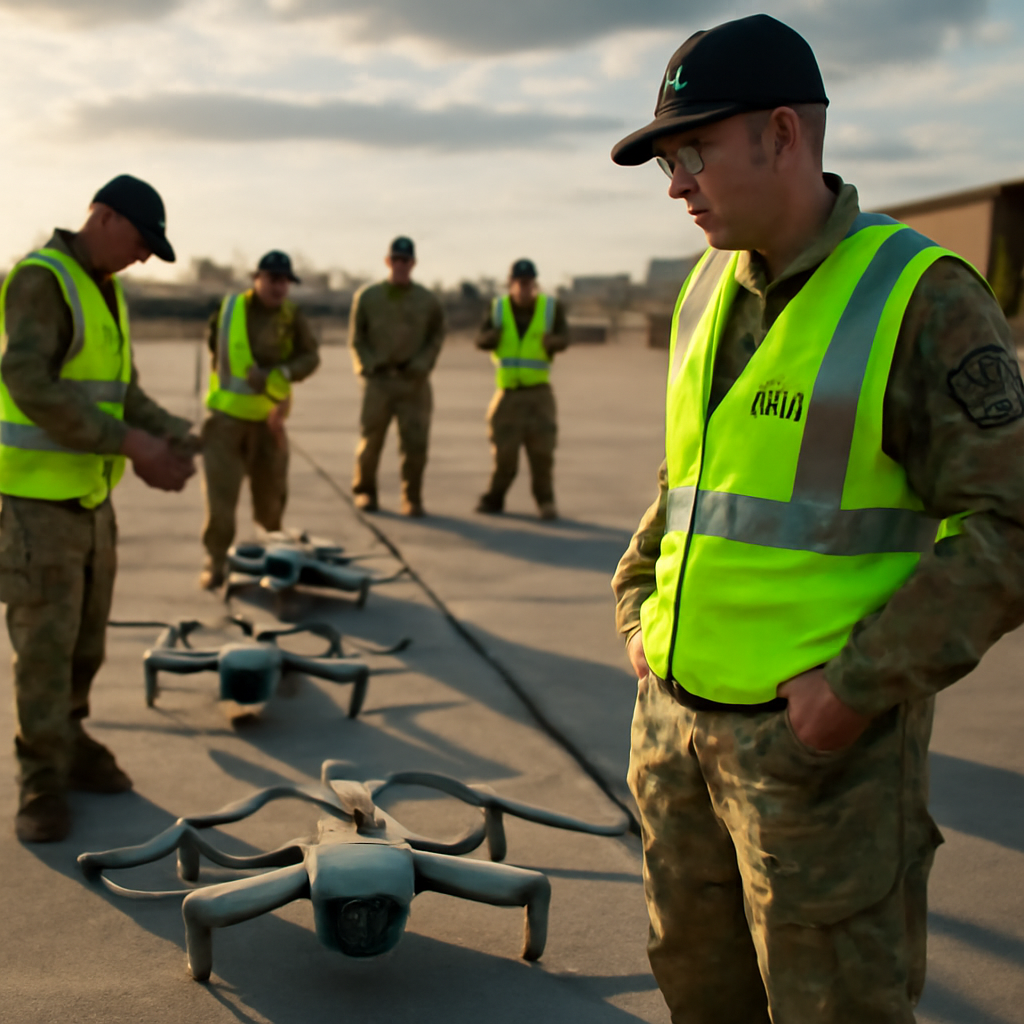
The US Army is ramping up its drone training program to keep pace with its rapidly expanding fleet, but a shortage of trained operators is emerging as a major challenge. With hardware no longer a bottleneck, the Army is now focused on getting more pilots qualified to operate the drones.
Full-platform Rapid7 rollouts - InsightVM, InsightIDR, event sources, agents, tuning - by a Registered Partner who has done it at state-agency scale, including OT/SCADA.
Talk deployment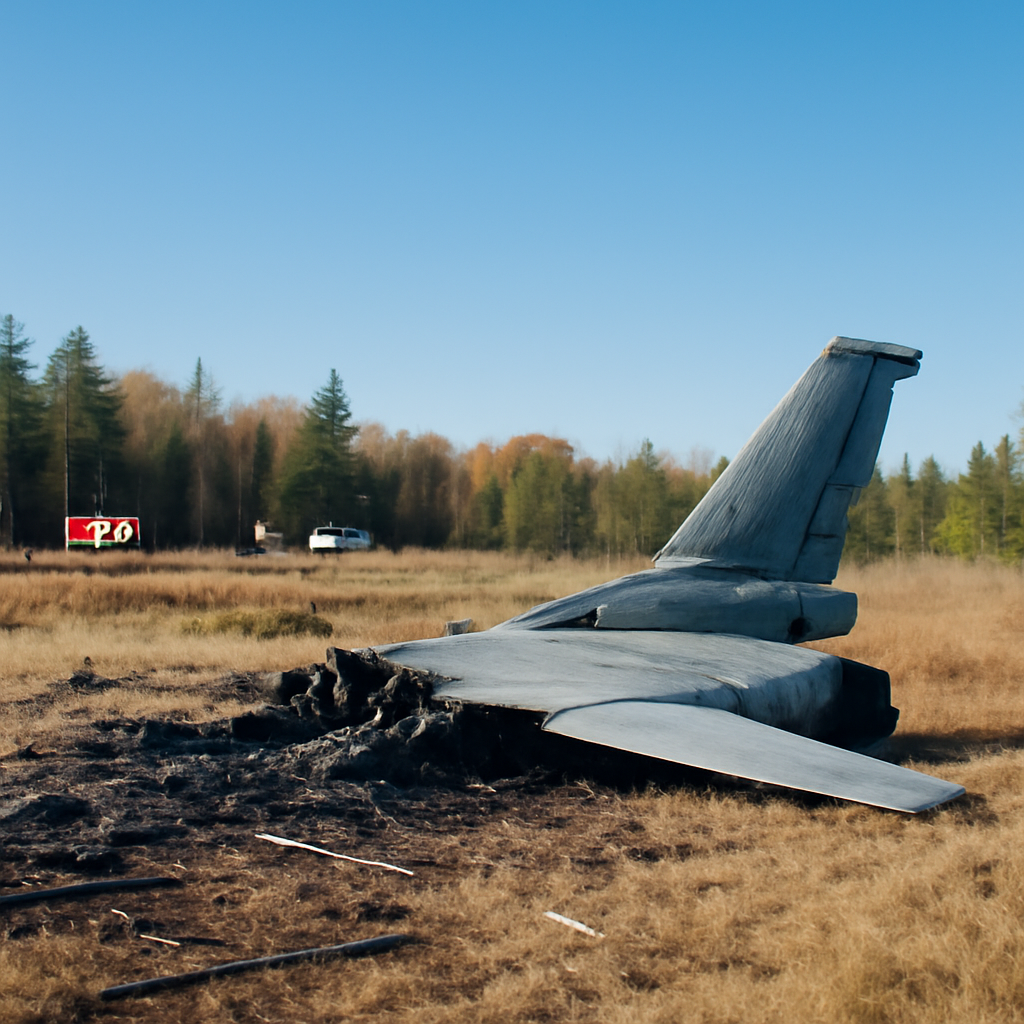
A US Air Force F-16 Fighting Falcon, part of the 149th Fighter Wing from Texas, crashed in northern Michigan, but thankfully the pilot ejected safely. The incident occurred in Blair Township, with air traffic control audio hinting at a possible cause.

The Air Force is rethinking its next-generation tanker strategy, with Lt. Gen. Daniel Tulley suggesting that a future air-refueling solution doesn't necessarily need to be manned. This opens the door to exploring autonomous tanker options that prioritize connectivity and self-defense.

Sending Australia's first female astronaut, Katherine Bennell-Pegg, to the International Space Station on a A$100 million mission with the European Space Agency could be a game-changer, inspiring a nation and unlocking new investment opportunities for the country's booming commercial space sector. The cost is steep, but the potential national benefits could far outweigh the expense.

Northrop Grumman is seizing the opportunity to collaborate with new partners and showcase its cutting-edge munitions products, aiming to secure a larger share of the market. The company is in active discussions with major contractors on around 10 agreements covering eight key weapons systems.

Cybersecurity experts are pushing back against the narrative of an AI apocalypse, warning that the real risks are being overshadowed by exaggerated claims and doomer arguments. Juan Andres Guerrero-Saade says many warnings about AI are based on assumptions that don't add up.

The US Marine Corps has marked a major milestone, deploying Expeditionary Advanced Base Operations in combat for the very first time, validating a concept that's been years in the making. This breakthrough deployment was successfully executed by the 31st Marine Expeditionary Unit during its recent six-month mission.
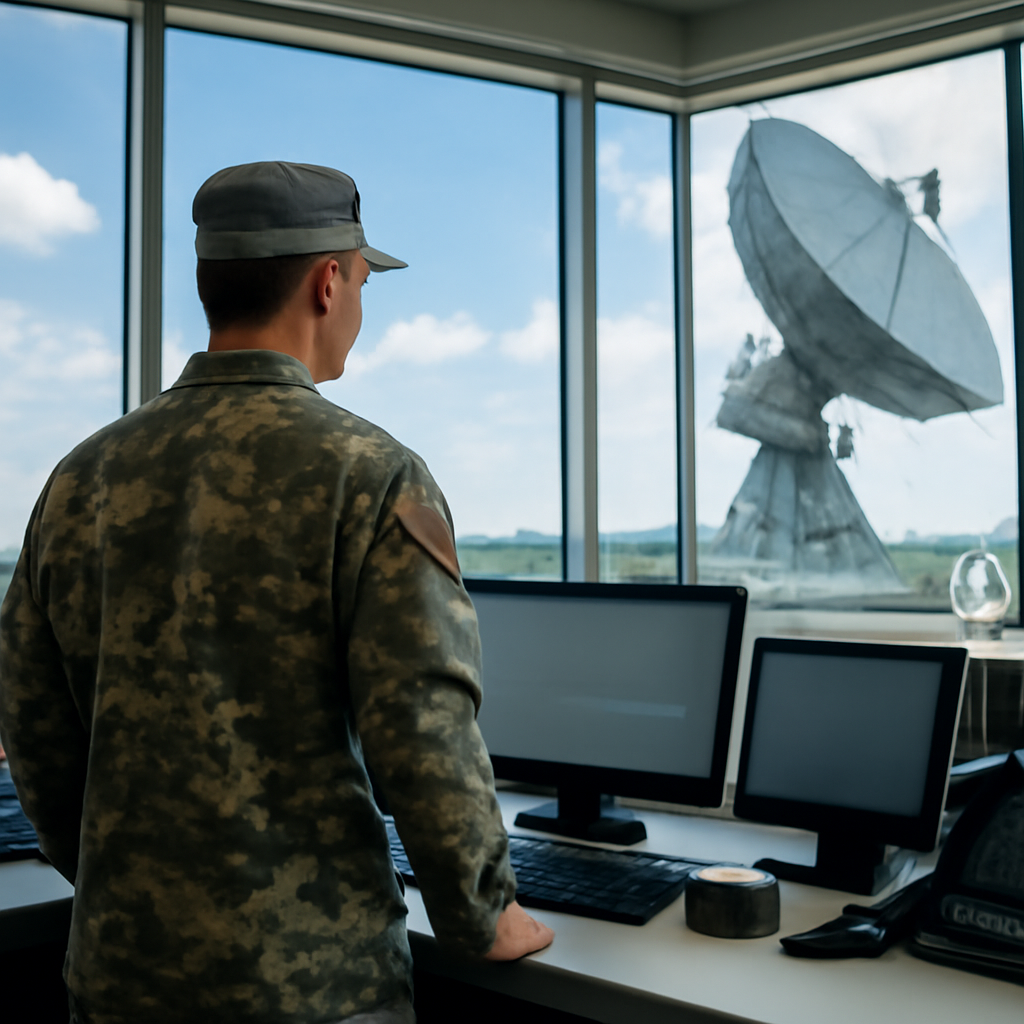
The US Space Force has taken a bold step to safeguard American and allied space systems by deploying "space control weapons" to counter the growing threats from China and Russia. For over two decades, these rival nations have been developing tools to disrupt, degrade, or destroy satellites, and recent conflicts in Ukraine and the Middle East have shown how these space-enabled threats can have a direct impact on events on Earth.

The Space Force's ambitious modernization plans have hit a roadblock due to a funding hold, with a continuing resolution pausing new program starts until a full-year appropriation is passed. This delay comes as the service is gearing up for a major ramp-up in its efforts to dominate the critical space domain.
Evidence in spreadsheets, controls drifting between audits, frameworks multiplying on flat headcount. Nubivance runs continuous compliance on Rapid7 Cyber GRC - SOC 2, HIPAA, ISO 27001, PCI, CMMC.
End the scramble
Astraeus Operations and IBM Federal Consulting have joined forces to revolutionize defense tech adoption through their new joint venture, Mission Defense Technologies, LLC, combining expertise to deliver high-impact solutions to the federal government. This powerful partnership pairs a mission-first approach with cutting-edge technology capabilities.

Attacks are getting more complex, with 43% of incidents spreading across four or more environments - and in some cases, as many as eight. Security teams struggle to piece together these cross-environment attacks, making it crucial to connect the dots between disparate signals.

Imagine if politicians truly heard you - AI can help candidates tap into voters' concerns, foster inclusive engagement, and craft policies that truly reflect the people's voice. Current campaign AI, however, often falls flat, relying on outdated, one-way messaging that leaves voters feeling unheard.

Powerus has scored a major win with a limited procurement order from Pakistan's Ministry of Defence, paired with a strategic partnership that could supercharge drone tech innovation. The US-based company is joining forces with Pakistan to bring together the best of American and Pakistani technology.
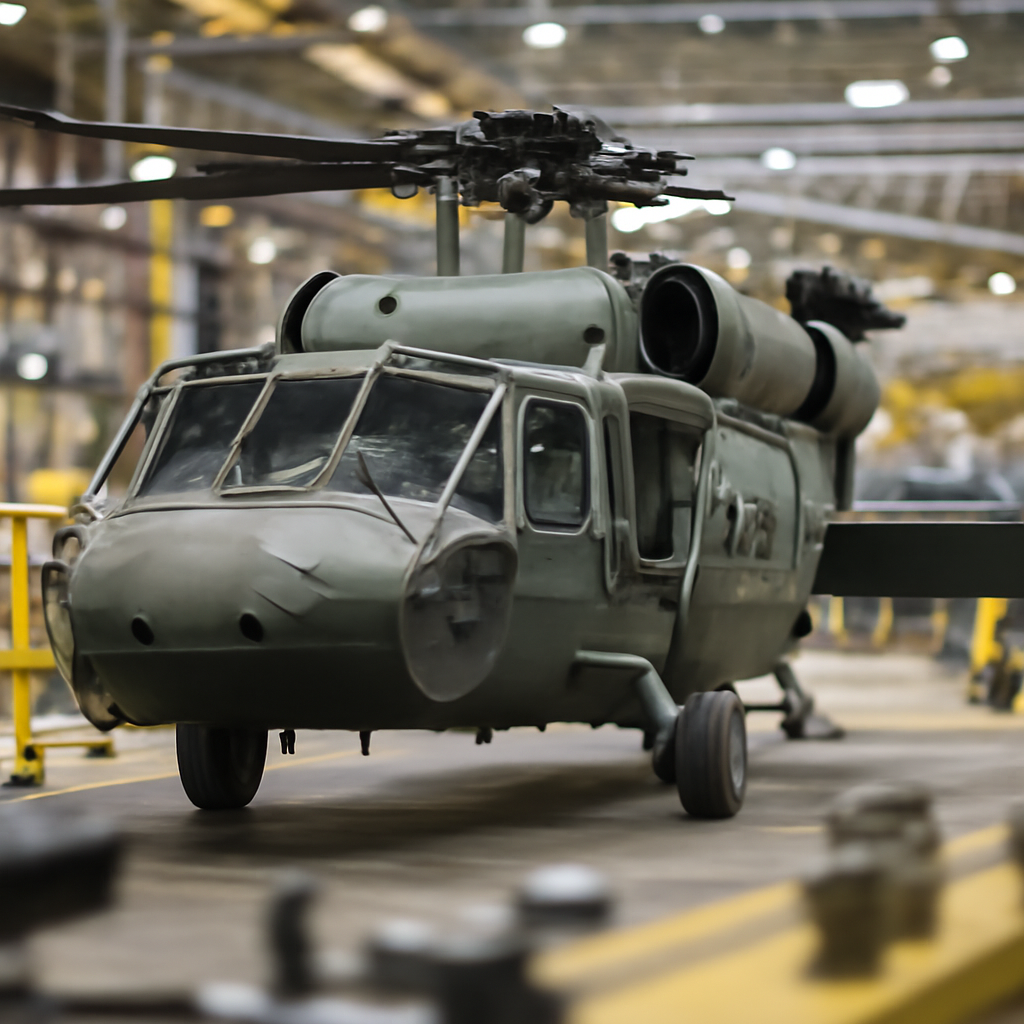
The Army has awarded Sikorsky, a Lockheed Martin subsidiary, $234 million in funding to produce 16 more UH-60 Black Hawk helicopters, setting the stage for the next generation of Black Hawk aircraft. This new agreement builds on an existing production line and lays the groundwork for future Black Hawk models.

Cisco has disclosed a second actively exploited zero-day vulnerability, CVE-2026-76460, a maximum-severity flaw in its Identity Services Engine (ISE) that lets attackers bypass authentication and take full control of affected devices. This vulnerability is particularly alarming because it allows hackers to modify network access policies, extract sensitive credentials, and move undetected across the network.

Meet HEAVYGRAM, a sneaky Telegram backdoor linked to Iran that's packed with espionage capabilities, from snapping screenshots to siphoning off sensitive data, and controlled remotely by its masters. This malicious tool has been quietly lurking in the shadows since September 2023, leaving a trail of compromised systems in its wake.

A newly discovered Docker flaw on macOS could allow malicious code in a virtual machine to break free from its sandbox and read or modify sensitive host files, potentially leading to code execution on the host. This vulnerability, tracked as CVE-2026-77179, leverages a weakness in the virtio-fs host server to gain unauthorized access.