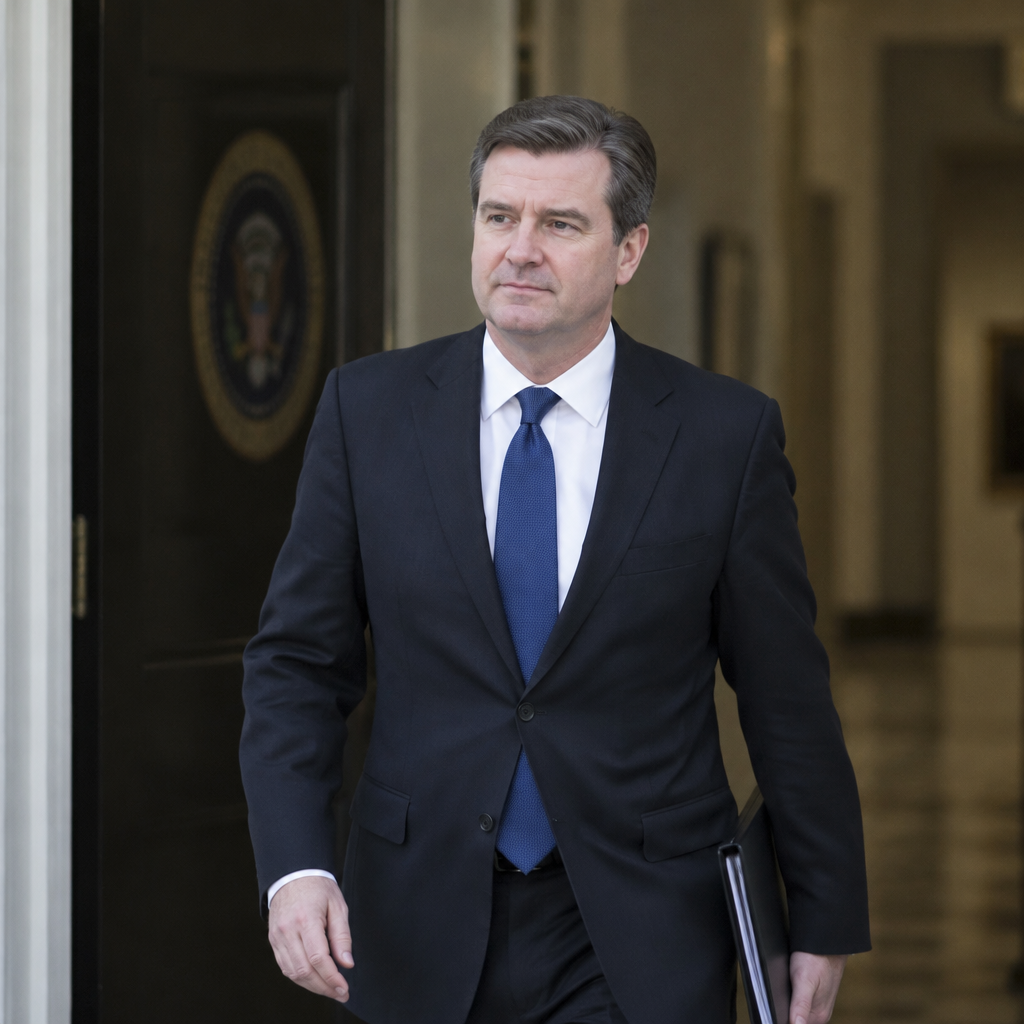
The Senate confirmed Sean Cairncross in August 2025 — and, according to a White House official and two people familiar with the matter, he has now been fired from the Office of the National Cyber Director.
Who Sean Cairncross was and what his office did
Sean Cairncross was confirmed to serve as the White House National Cyber Director in August 2025. During the president’s first administration, Cairncross led the Millennium Challenge Corporation and served as a senior adviser to the White House chief of staff. His work in 2026 included efforts to address AI security and to deepen cooperation between the federal government and private cybersecurity companies. In February, he said his office was developing an AI security framework in coordination with the White House Office of Science and Technology Policy, and after the administration released its national cyber strategy in March he urged companies to share technical expertise and threat information to help the government respond to adversaries.
Kirsten Davies named acting director
A defense official, speaking on the condition of anonymity, told reporters that Pentagon Chief Information Officer Kirsten Davies will take Cairncross’s place in an acting capacity. Axios first reported Cairncross’s departure. A source close to the White House told Nextgov/FCW that President Trump fired Cairncross because he lacked the credentials to perform the job; that source also said Davies will serve in an acting role.

The cyber insurance questionnaire just landed. Now what?
SOC 2, HIPAA, insurance renewals - someone has to own security strategy. Nubivance provides fractional CISO leadership without the full-time salary.
Get a security leadContext: outages, congressional scrutiny, and official testimony
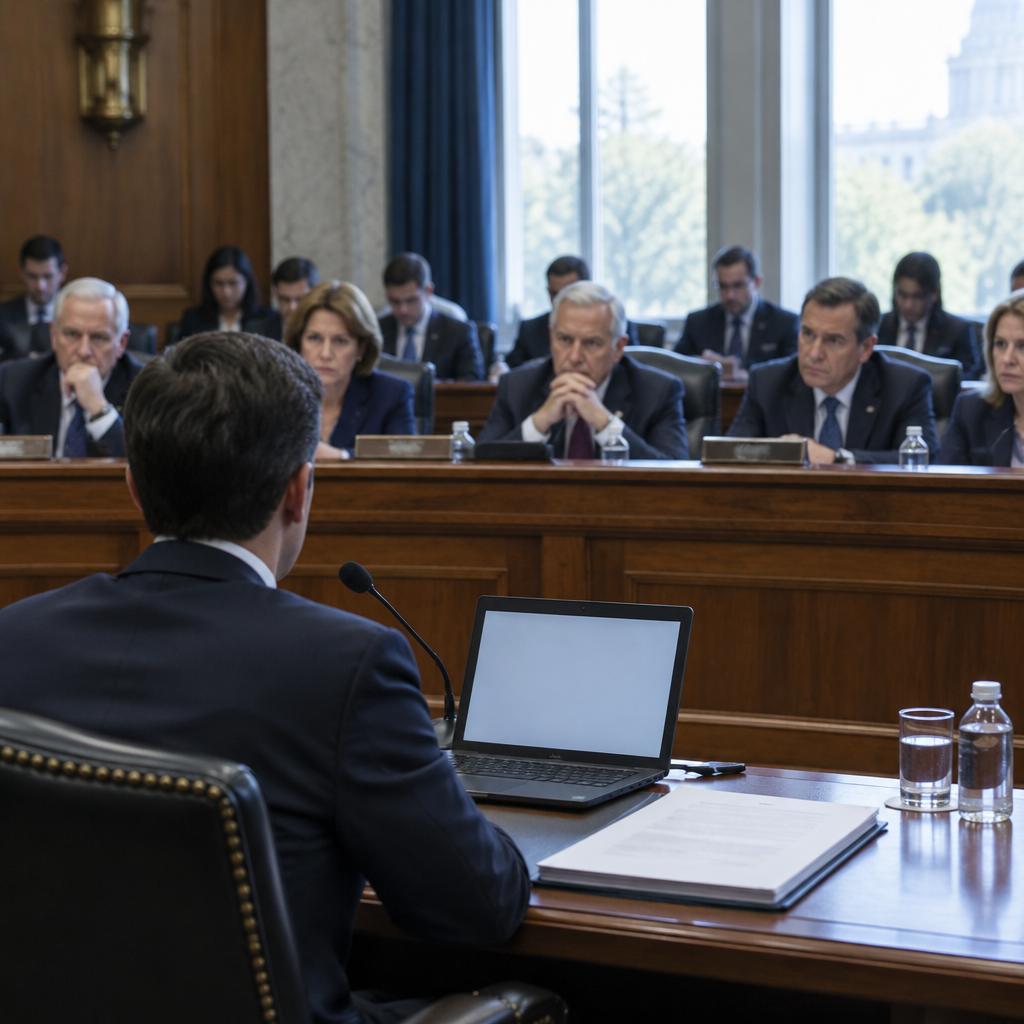
The personnel change comes as lawmakers are scrutinizing a string of technology failures that affected air travel, banking, Microsoft services and classified communications at the National Security Agency. Senior administration officials told Congress on Wednesday that the disruptions were tied to maintenance and security updates rather than cyberattacks. The Office of the National Cyber Director — which advises the president on cybersecurity, coordinates policy across federal agencies and oversees implementation of the national cyber strategy, while working with industry to protect systems government and businesses rely on — sits at the center of those questions.
Parallel confirmation fight at CISA: Michael LoSapio and Senate holds
The White House is simultaneously trying to install a permanent director at the Cybersecurity and Infrastructure Security Agency. The president’s nominee for that post is Michael LoSapio, a Palantir security executive. During a confirmation hearing Thursday, LoSapio denied that the Capitol was attacked on Jan. 6, 2021, and declined to identify the winner of the 2020 presidential popular vote. Sens. Ron Wyden, D-Ore., and Thom Tillis, R-N.C., plan to place holds on his nomination.
How technologists, policymakers, and the public are likely to respond
- Technologists and security teams: They will watch for continuity in the AI security framework and for whether calls to share technical expertise and threat information — initiatives Cairncross publicly backed after the March national cyber strategy — continue under acting leadership.
- Policymakers and regulators: Lawmakers already probing recent technology outages will have a personnel change at the White House cyber office to factor into hearings and oversight, while confirmation holds on the CISA nominee may complicate broader agency leadership efforts.
- Affected enterprises and the general public: Companies and citizens who experienced disruptions to air travel, banking, Microsoft services or NSA classified communications have been told by senior administration officials that the incidents were maintenance- or update-related; those assurances will be measured against incoming oversight and any further technical detail released by agencies.
The swift removal of a Senate-confirmed cyber director and the appointment of the Pentagon CIO as acting head places the Office of the National Cyber Director at an inflection point. With congressional attention fixed on recent outages and a contentious confirmation fight underway for CISA’s would-be leader, the immediate questions are concrete: who will be named as a permanent successor, and whether the explanations offered to Congress about the recent disruptions will satisfy both lawmakers and the organizations that depend on federal cyber oversight.