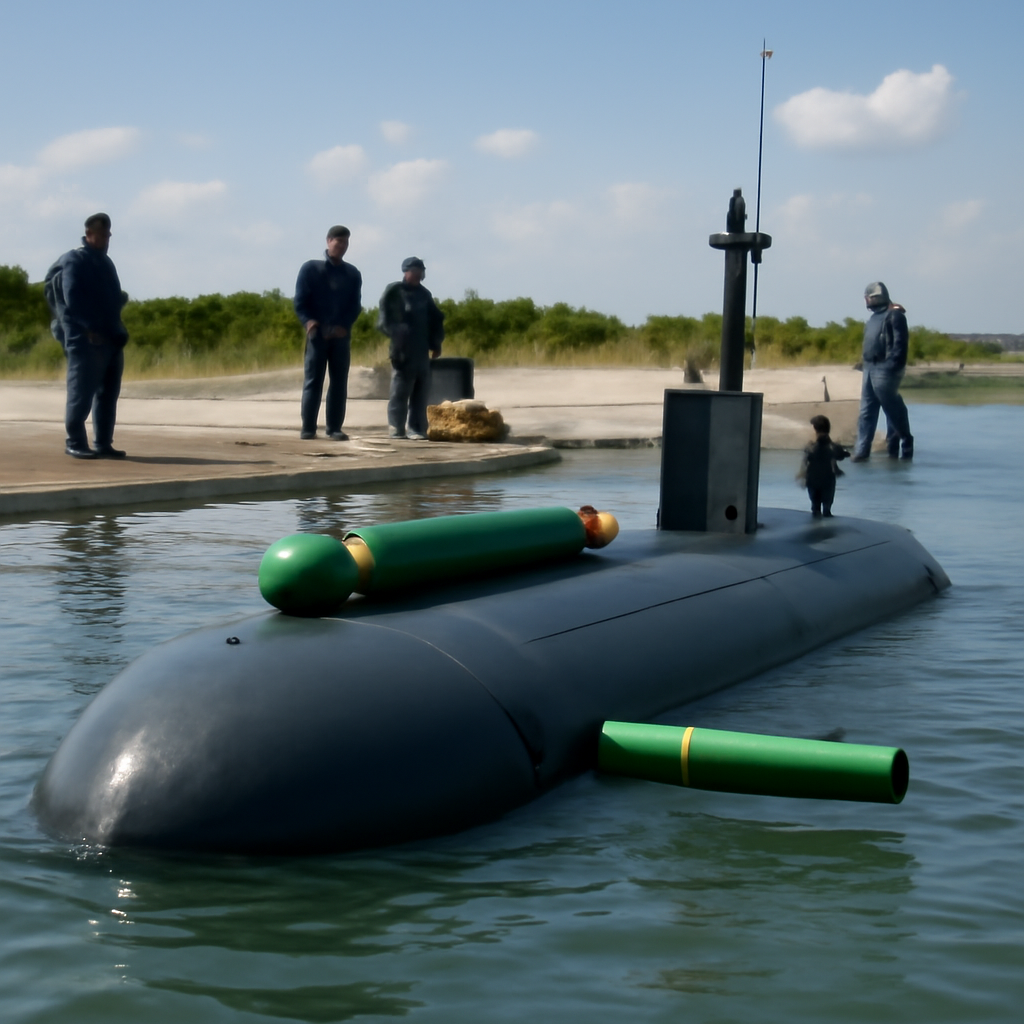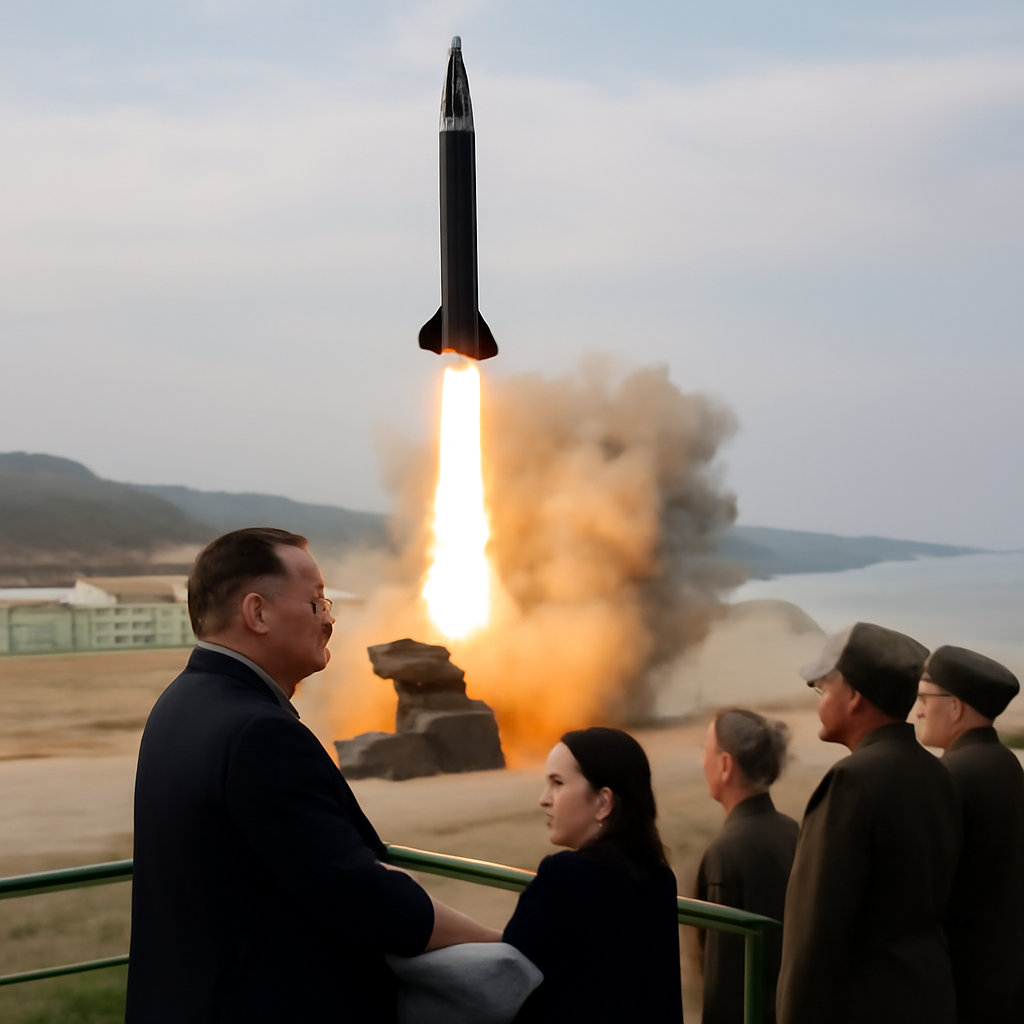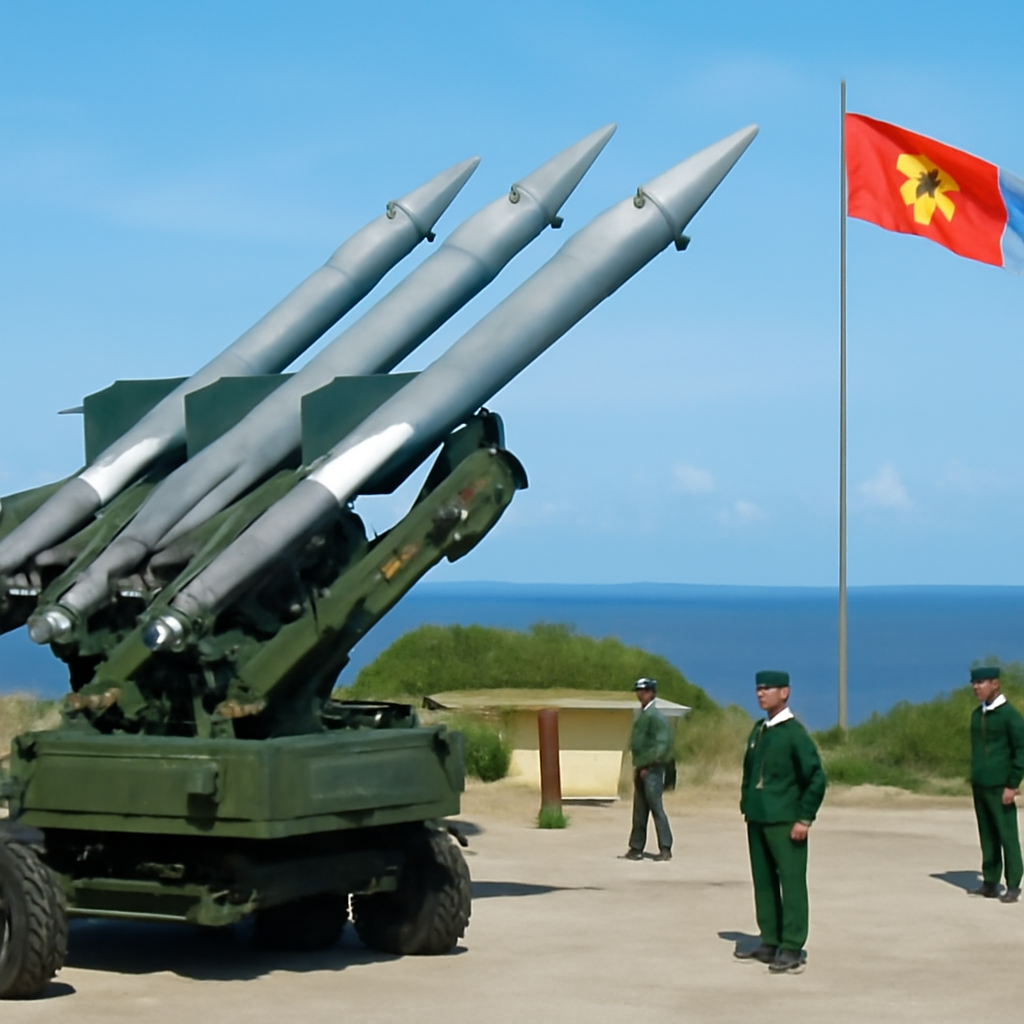
In May, Vietnam signed a $629 million deal to acquire BrahMos missiles from India — a single fact that captures a larger shift: Hanoi is turning away from a ship- and submarine-led approach to the South China Sea and toward an artillery- and missile-centered defense posture that aims to cover both land and sea from shore.
Artillery-Missile Command: a single node for faster action
In August of last year Vietnam established the Artillery-Missile Command out of the Artillery Corps to manage an expanded role for missile forces. The stated purpose of the Command is to streamline decision-making and accelerate the kill chain across anti-ship missiles (ASMs) and surface-to-surface systems. The Command is also intended to provide a framework for future missile brigades and to ease research-and-development and adoption of new missile systems throughout the armed forces.
Truong Son, Scud-B upgrades, Redut-M, Bastion-P and BrahMos
Hanoi has displayed a mix of domestically produced and imported systems. It introduced the domestically produced shore-based ASM called Truong Son, and publicly showed Scud-B tactical ballistic missiles procured decades ago; officials reported an upgraded Scud-B range from 300 to 500 kilometers. The country also relies on foreign coastal systems it has fielded for years, such as the 4K44M Redut-M and the K-300P Bastion-P, while the May BrahMos deal adds a modern 300-kilometer-class missile able to strike both land and sea targets. The source also notes Vietnam has test-fired other Scud variants in the 550–700 kilometer range without reported issues.

This site is the portfolio.
OSINTSights runs on Cloudflare Workers, D1, R2, and Vectorize, with an AI pipeline on Hetzner ARM. Nubivance designed, built, and operates it. We do the same for clients.
See what we build380th Missile Brigade relocated to Dak Lak to expand reach
Vietnam is redeploying forces to reshape where missiles can reach. The 380th Missile Brigade is being moved from Thai Nguyen in the north to Dak Lak in the Central Highlands. The source describes Dak Lak’s mountainous terrain and central position on the Indochinese peninsula as better suited to projecting power southwest in response to what it calls “security uncertainty from Cambodia.” The 380th is one of two ballistic missile brigades — the other being the 490th Missile Brigade based in Hai Phong — and the move, combined with upgrades, is described as enabling Hanoi to hit targets across most of Indochina from bases in Hai Phong and Dak Lak.
The maritime‑continental dilemma and why missiles fit Hanoi’s doctrine
The shift toward missiles is presented as a response to a hard strategic choice: Vietnam cannot, the source argues, simultaneously field sufficient land forces to guard borders with Laos and Cambodia and maintain a navy capable of contesting the South China Sea. With finite resources, naval platforms and land platforms each have single-domain limits; missiles provide cross-domain reach. The country’s doctrine — described as to “defend the country early and from afar” — favors long-range, quick-reaction weapons that can harass naval strike groups, deny access to coastal areas, and threaten inland targets without deploying ground forces outside national territory.
Land-based missiles also are said to offer better survivability and logistics than ships in open water, fit well with Vietnam’s mountainous and jungle terrain and existing experience in moving and concealing missile systems, and cost less than acquiring a fleet of single-domain platforms. The source cites the use of ASMs in other conflicts — noting Ukraine’s success sinking several Russian vessels in the Black Sea — as a practical precedent for the asymmetric value of shore-launched missiles. The article also stresses a limit: missiles can deny and deter, but they do not occupy or reclaim territory, so single-domain platforms remain necessary if Hanoi seeks to hold physical areas long-term.
What this means for Vietnam’s armed forces, neighboring states, and procurement planners
- Vietnam’s armed forces: Expect a prioritized expansion in both the quantity and quality of missile forces, organized under the new Artillery-Missile Command, with envisioned theater structures that include one surface-to-surface brigade, one long-range ground-based ASM brigade, and one mixed artillery brigade per theater.
- Neighboring states (explicitly including Cambodia): Will face a higher-capability, land-based missile posture that is described as increasing Vietnam’s ability to project force southwest from the Central Highlands and to deny access in maritime approaches without a proportional increase in naval platforms.
- Procurement planners and defense developers: The appearance of the Truong Son system and ongoing Scud upgrades points to continuing efforts at domestic weapon domestication, even as Vietnam still supplements capability with foreign buys such as BrahMos and legacy coastal batteries like Redut-M and Bastion-P.
Vietnam’s recent moves amount to a deliberate hedge: invest in missiles that can operate across domains, centralize command to speed targeting and deployment, and retain the capacity to field sea- or land-holding platforms later if political will and budgets allow. The strategy, the source concludes, is consistent with a “porcupine” approach — making the country costly to attack by denying access early and from far away — while leaving open the persistent question it cannot solve alone: missiles deny and deter, but they do not by themselves occupy ground or sea features.