On 17 June at 0430 local time the U.S. Air Force commenced exercise PACIFIC ARCHER, launching what a PLA intelligence memo described as a rapid deployment of hypersonic-missile–equipped fighter and bomber aircraft into the Second Island Chain.
PACIFIC ARCHER: timeline, aircraft, and munitions observed
The memo — presented as a PLA Joint Staff analytical note and signed by Commanding Officer Senior Colonel Li Feng, PLAAF, and reviewed by Political Commissar Senior Colonel Bao Hu, PLAAF — records that PACIFIC ARCHER began on 17 June and, over the following 36 hours, placed multiple squadrons ashore at Guam. The adversary committed five fighter squadrons and four bomber squadrons, supported by logistics aircraft including C-17 and C-130 transports. Within 12 hours of arriving on Guam, the memo states, 67 percent of those aircraft dispersed to other locations inside the Second Island Chain, notably Saipan and Tinian, and by 29 June the deployed force had departed after multiple simulated long-range strike missions.
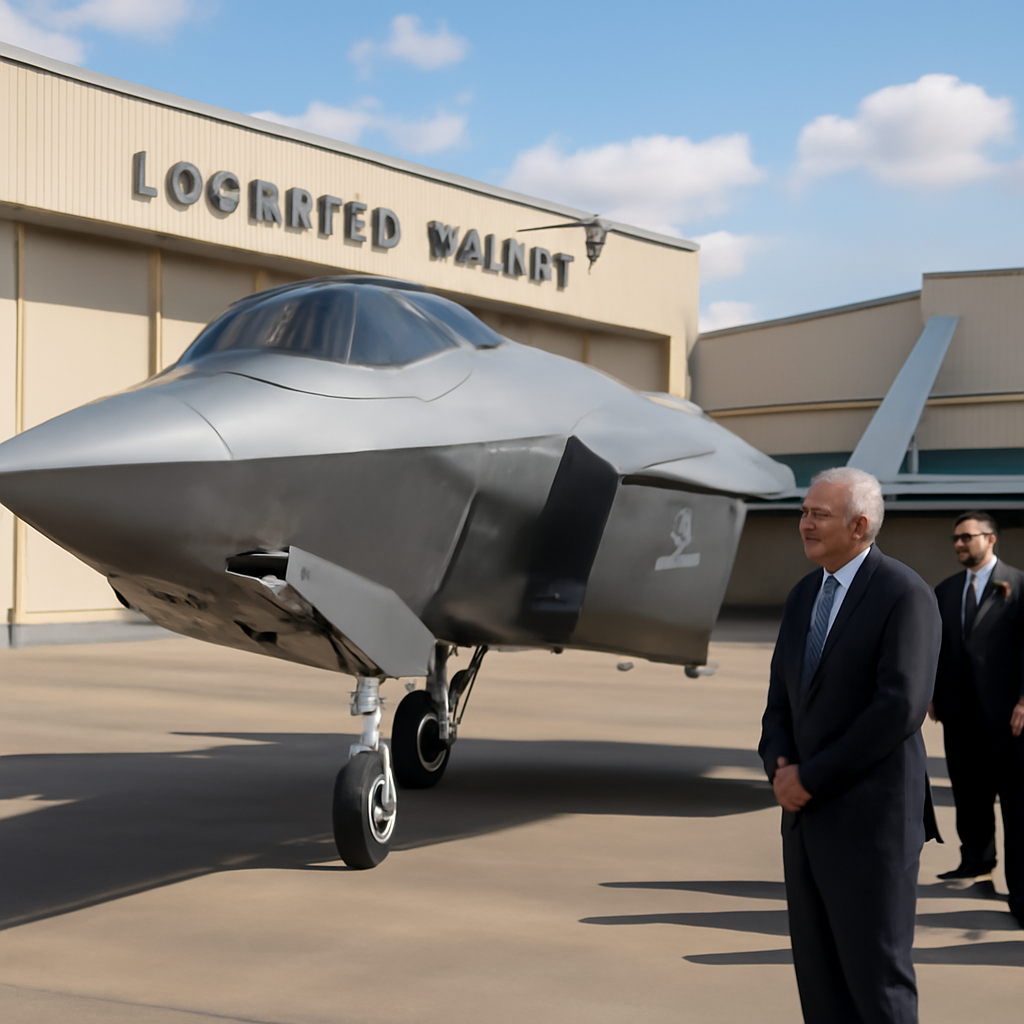
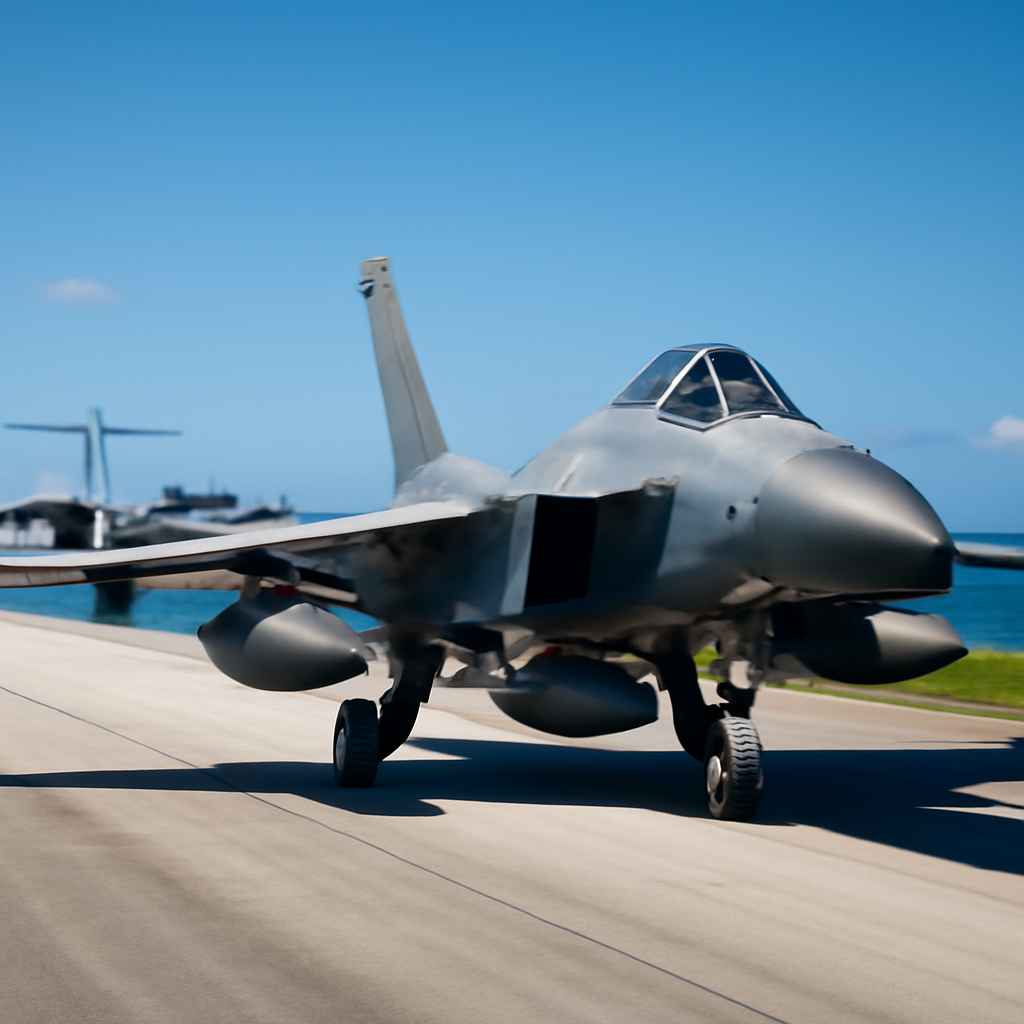
The memo lists platforms observed: F-15EX, F-22, F-35, F-47, B-21, B-1, B-52 and at least two types of Collaborative Combat Aircraft. Hypersonic weapons reported to have been used in the exercise include AGM-183A ARRW, Hypersonic Attack Cruise Missile (HACM), and Mako weapons; the document also records deployment of presently unknown hypersonic air-to-air missiles. It notes the B-52 can carry more than 20 HACM weapons and the B-1 can carry 36 HACM weapons, and that imagery and signals reporting indicated missiles were carried both internally and externally.
PLA technical assessment: miniaturization, production, and testing
The memo describes several technical and industrial developments the PLA judged significant. It asserts successful miniaturization of medium-range hypersonic air-to-ground missiles allowed internal carriage on fighters such as F-35 and F-22, and that high-volume manufacturing of miniaturized scramjet propulsion units had been achieved. The U.S. effort was credited with advances in hypersonic flight control software, materials thermal management, and precision navigation and timing.
Analysts in the memo report expanded test infrastructure — including multiple Mach 10 wind tunnels — and integrated flight test campaigns that linked air-launched and ground-launched programs. The note ties these developments to an effective civil‑military fusion among U.S. universities, the U.S. Air Force, and defense industry actors, and it specifically names DARPA and the Air Force Research Lab as government research centers whose work could have fed the progress observed.

Audit-ready is a season. It shouldn't be.
Evidence in spreadsheets, controls drifting between audits, frameworks multiplying on flat headcount. Nubivance runs continuous compliance on Rapid7 Cyber GRC - SOC 2, HIPAA, ISO 27001, PCI, CMMC.
End the scrambleOperational examples and the Second Island Chain threat picture
The memo emphasizes operational effects observed during PACIFIC ARCHER. It records a specific instance in which a B-1 operating from Tinian International Airport launched a HACM that destroyed a maneuvering maritime target decoy south of Wake Island at approximately 1,600 kilometers, a range and terminal performance the memo says exceeded prior conventional air-launched anti-ship missiles. The memo also reports testing of an internally carried Mach‑10 weapon fired from a B-21.
From those observations the PLA assessment concluded that air‑launched hypersonic weapons deployed from distributed nodes inside the Second Island Chain could strike First Island Chain targets — the memo explicitly names PLAN Carrier Strike Groups in port, Fiery Cross Reef, and ground stations at Sanya and Jiamusi — and could do so beyond PLARF non‑ballistic engagement zones. The document highlights time‑to‑target compression at Mach 6–Mach 7+ speeds and warns of a qualitative leap in lethality that complicates surprise, mass, and speed — the attributes the PLA planned to exploit in expeditionary operations.
PLA institutional response: cognitive gap, counterintelligence, and leadership changes
The memo admits a “cognitive gap” in PLA technical modeling and assessments that had assumed the United States would continue to lag China in hypersonics. It attributes part of that gap to an over‑focus on civil‑military fusion concentrated on AI and software and to an underappreciation of government research centers and revitalized defense industry production. The document records that MSS and PLA analysis and cyber activities had concentrated on emerging defense companies, especially in “Silicon Valley,” and venture capital — work that the memo argues left other lines of effort insufficiently monitored.
It also notes internal accountability steps: an announced replacement of the leadership cadre of the PLA Intelligence Bureau and a CMC Discipline Inspection Commission review focused on those judged to have failed in their duty. The memo directs a reexamination of strategic planning over the next 18 months and calls for extensive self‑reflection to understand how the adversary achieved the capabilities displayed at PACIFIC ARCHER.
What this means for the People’s Liberation Army, the Communist Party and CMC, and DARPA/Air Force Research Lab
- People’s Liberation Army: The memo instructs PLA forces to revise modeling and simulations of enemy airpower, reconsider assumptions about the PLA’s asymmetric targeting campaigns, and search for additional cognitive gaps in other technology areas.
- Communist Party of China and Central Military Commission: The document calls for the Party and the CMC to reexamine all strategic planning during the next 18 months and to treat the exercise as an urgent prompt for institutional reform and investigation.
- DARPA and Air Force Research Lab (as named research centers): The memo credits these government research centers with contributing to test infrastructure and integration that, in the PLA view, enabled advances in air‑launched hypersonic capabilities.
The PACIFIC ARCHER scenario, as recorded in the PLA memo, frames a single operational fact — large‑scale dispersal of hypersonic‑armed aircraft into the Second Island Chain — as a catalytic test of assumptions. The document maps technical observations to industrial and organizational explanations, prescribes institutional reckoning, and sets an 18‑month window for strategic response; whether the PLA can close the “cognitive gap” the memo describes is the concrete challenge it leaves for China’s military and political leadership.