Can inexpensive, purpose-built interceptor drones tilt the balance of safety for deployed troops facing long-range kamikaze weapons? A recent report suggests they can — and that claim has already drawn praise from the Army's senior leadership.
What the reporting says
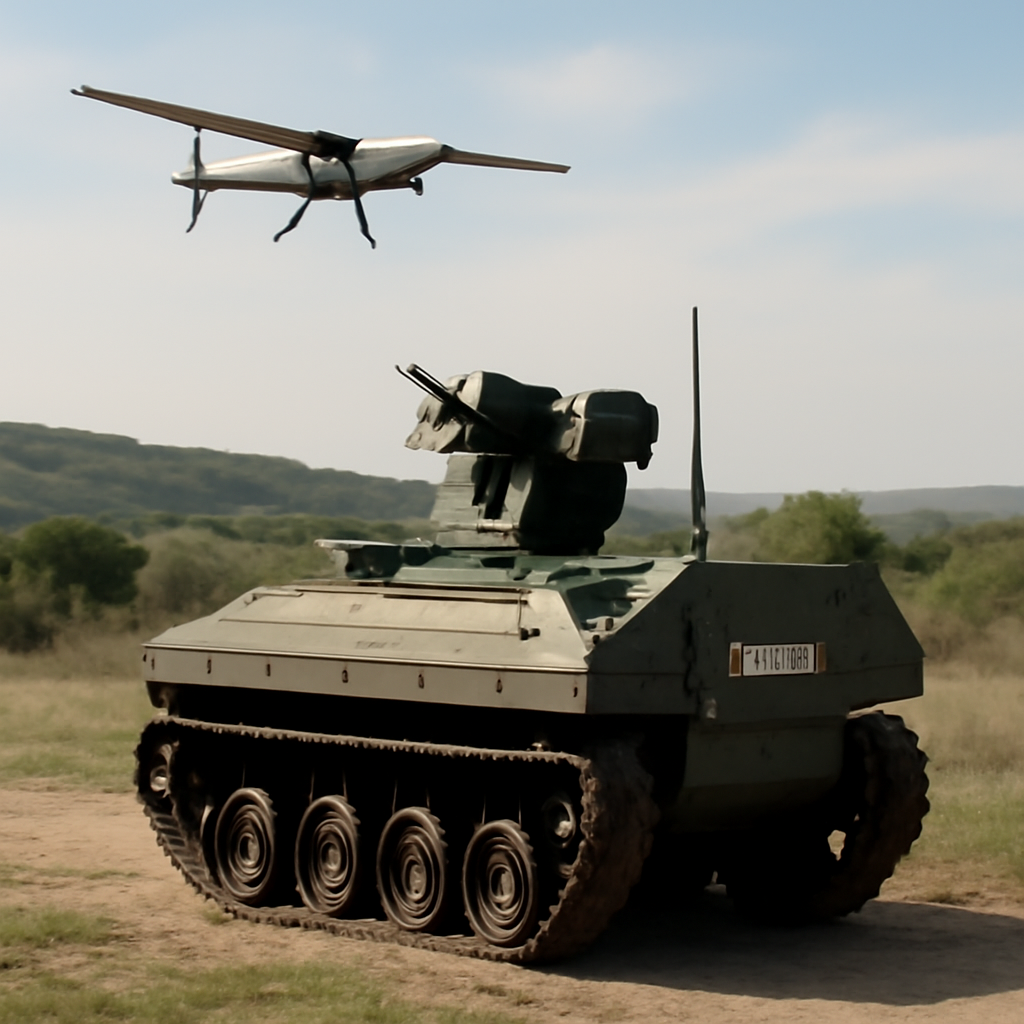
According to an article published by The War Zone, cheap interceptor drones have been "proven in Ukraine" and "protected U.S. troops against Iranian Shaheds." The same reporting notes that the Army's top official lauded the performance of the Merops drone in defending against Iranian long-range kamikaze drones.
Relevant background from the source
The War Zone piece frames the Merops interceptor and similar low-cost counter-drone systems as operationally significant because of their reported effectiveness against long-range, kamikaze-style Iranian drones — often referred to in reporting as Shaheds. The source article presents those claims and attributes high-level praise to the Army's top official for Merops' role in those defensive actions.

The cyber insurance questionnaire just landed. Now what?
SOC 2, HIPAA, insurance renewals - someone has to own security strategy. Nubivance provides fractional CISO leadership without the full-time salary.
Get a security leadWhy this matters
- Operational credibility: A senior Army official's public praise, as reported, signals institutional attention toward low-cost interceptor drones as a practical defensive option against long-range kamikaze threats.
- Cost and procurement questions: If inexpensive interceptors can meet battlefield needs, that could influence acquisition priorities and resource allocation — a dynamic suggested by the reporting.
- Force protection implications: The War Zone report links the use of these systems with protection of deployed personnel, which places counter-drone capability at the center of troop survivability discussions.
Different perspectives suggested by the report
Technologists will likely focus on whether low-cost designs can consistently defeat increasingly available kamikaze platforms. Policymakers and acquisition officials, the article implies, must weigh cost-effectiveness and speed of fielding. Users — commanders and troops in contested areas — will be concerned chiefly with reliability and ease of integration. Adversaries, by contrast, may see a need to adapt tactics or invest in countermeasures if inexpensive interceptors prove effective.
The War Zone's reporting and the Army's reported praise raise a practical question for defense planners and the public alike: if simple, cheaper tools can mitigate a growing class of threats, should they become a central part of force protection strategies, or are there harder trade-offs ahead?
Read the original story on The War Zone: https://www.twz.com/land/cheap-interceptor-drones-proven-in-ukraine-protected-u-s-troops-against-iranian-shaheds