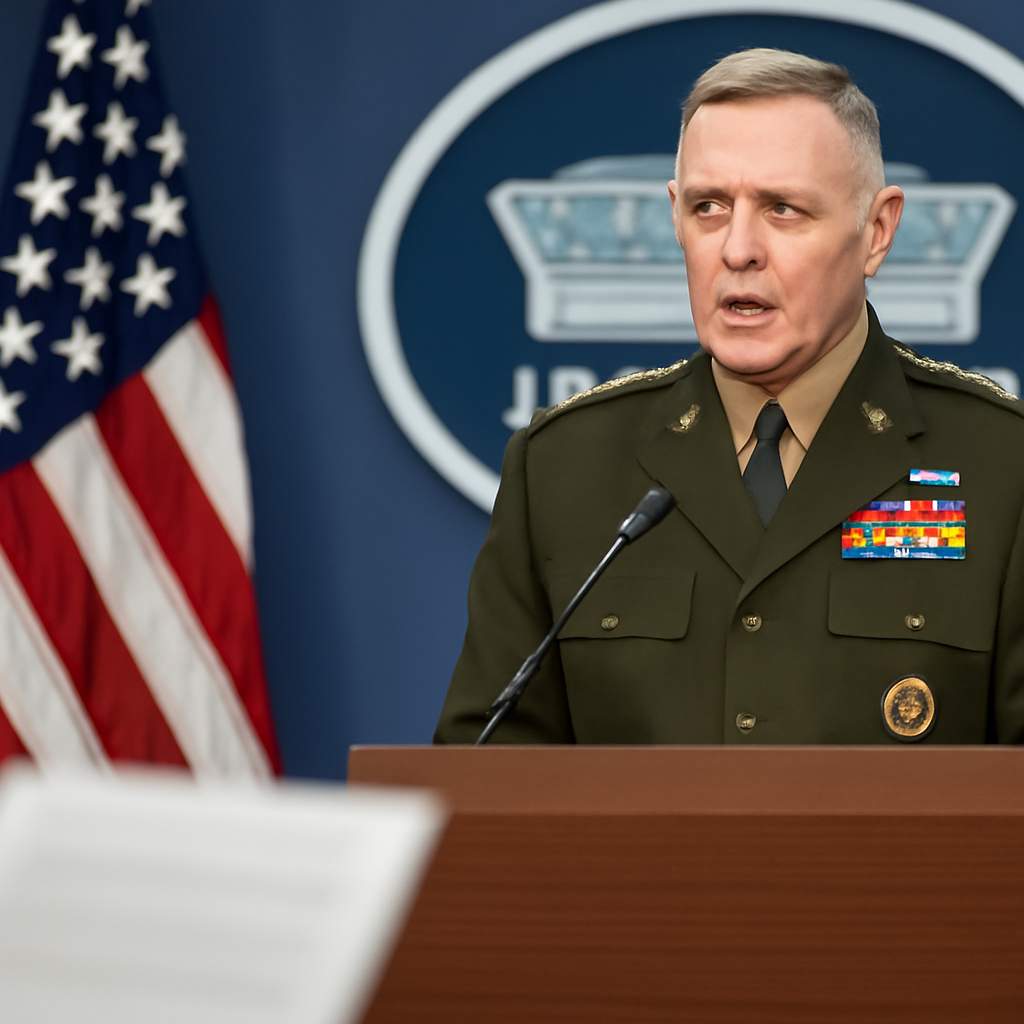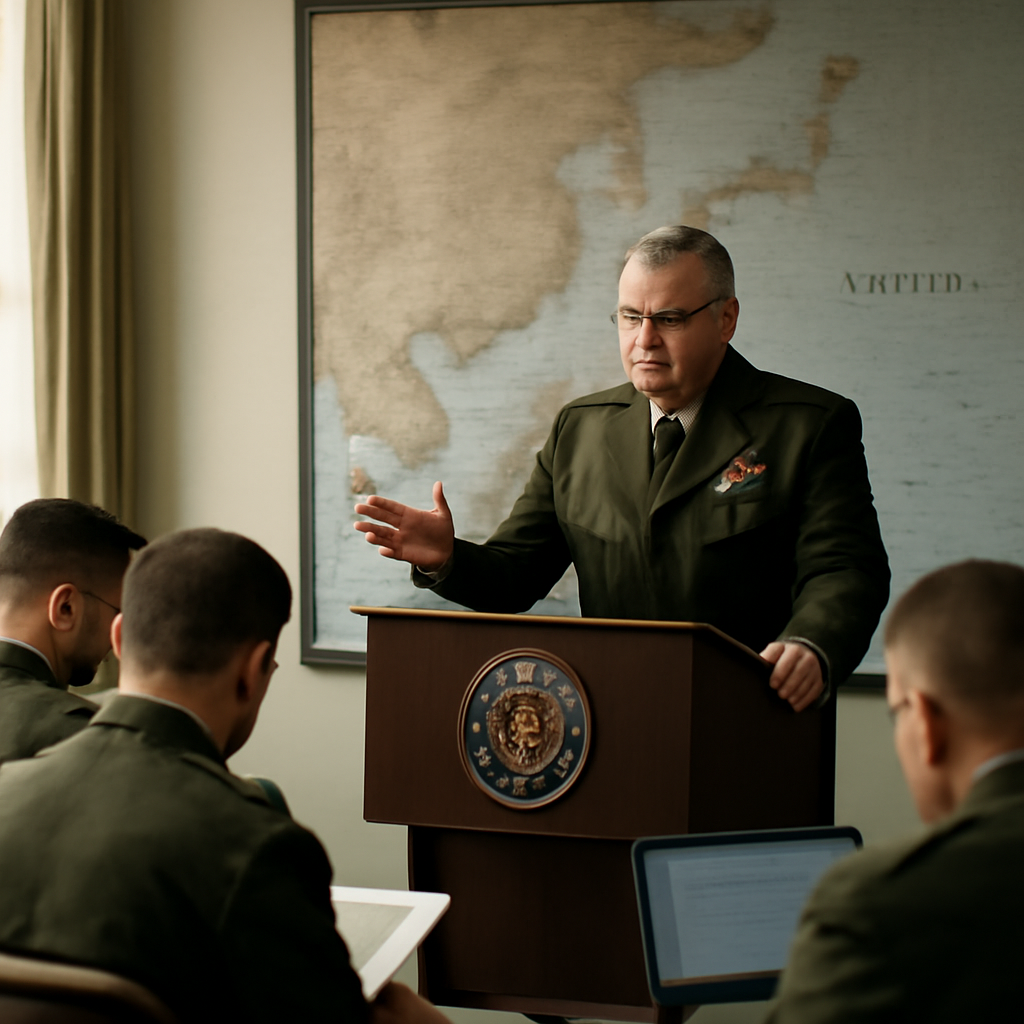
“We’re looking at … how we manage [readiness] against … all the other things that are going on around the world,” PACAF Commander Gen. Kevin Schneider said Monday during a Mitchell Institute for Aerospace Studies event.
Gen. Kevin Schneider frames the problem: readiness versus global commitments
Gen. Kevin Schneider, the four‑star commander of US Pacific Air Forces (PACAF), told the Mitchell Institute audience that the command is reassessing its exercise posture to preserve readiness amid rising global demands. Schneider said PACAF commanders have “done a pretty good job of identifying… where we’re going to take risk or how we manage the risks” while prioritizing efforts tied to the CENTCOM region.
He described the review as a calculus: measuring which exercises are “readiness gainers” and which are less essential to building the skills PACAF needs. Schneider signaled that some exercises will continue unchanged, some will be cancelled, and others may run at “reduced volume.”
PACAF’s exercise footprint: roughly 45 task orders a year and marquee events
Schneider said he issues task orders for roughly 45 exercises inside PACAF each year. Those events range from large, multilateral maneuvers — he cited Valiant Shield, with participants including Australia, Canada, Japan and New Zealand — to Rim of the Pacific, which involves “dozens of nations.”
“That’s a lot,” Schneider said, acknowledging the training value of the exercises even as he questioned whether each one delivers the same readiness return on investment for airmen.

Audit-ready is a season. It shouldn't be.
Evidence in spreadsheets, controls drifting between audits, frameworks multiplying on flat headcount. Nubivance runs continuous compliance on Rapid7 Cyber GRC - SOC 2, HIPAA, ISO 27001, PCI, CMMC.
End the scrambleBudget and operational pressure: funding requests and reprogramming
The readiness review occurs against a backdrop of budgetary and operational strains tied to the conflict between the US, Israel and Iran. The White House has requested $67.1 billion in supplemental funding it says will help pay for the Iran conflict as part of a larger $90 billion supplemental request. Defense Secretary Pete Hegseth told Senate appropriators last week he expects “certain aspects” of the Iran war to cost $37.5 billion through the end of September.
Lawmakers have not approved those funds, and the Pentagon has requested approval to reroute roughly $4.3 billion from fiscal 2026 coffers to cover “higher priority items,” including increased personnel and operational costs around the globe. Those financial strains are explicitly tied in the source material to decisions about training and exercises.
Interservice signals: training and certification decisions beginning this summer
The logic Schneider described echoes comments from other senior leaders. In May, Chief of Naval Operations Adm. Daryl Caudle told House appropriators he expected his service would run into financial limitations for training and exercises starting this summer and said he would “have to start making decisions to change training, operations, certification, events, those type of things we do to generate our force in the July timeframe.”
Schneider’s public emphasis on selective reduction or scaling of exercises ties directly to that same operational and fiscal pressure: preserving formations so they remain available for use by Pacific Command or for operations in other theaters.
What this means for PACAF commanders, allied partners, and lawmakers
- PACAF commanders: Will have to choose where to accept risk. Schneider said commanders are already identifying where risk can be taken and how to manage it while prioritizing CENTCOM commitments.
- Allied partners (Australia, Canada, Japan, New Zealand and others): May see altered participation levels. Schneider specifically named multinational events such as Valiant Shield and Rim of the Pacific while saying some exercises could be continued, curtailed or omitted.
- Congress and appropriators: Remain central to the outcome. The White House supplemental request and the Pentagon’s requested $4.3 billion reprogramming are both in play; lawmakers’ decisions on funding will influence whether scaled exercise participation is a temporary adjustment or a longer‑term posture change.
Gen. Schneider’s comments mark a candid admission that PACAF must balance competing priorities: maintaining the training tempo that yields combat readiness while also preserving forces for pressing operations elsewhere. The immediate, concrete choices — which of the roughly 45 annual task‑ordered exercises to continue, cut or shrink — remain the next operational decisions those commanders must make, and those decisions will be shaped by congressional action on supplemental funding.