"the fundamental purpose of the Armed Forces of the United States is to fight and win our Nation’s wars," Secretary Hegseth reiterated ad nauseam, a phrase that frames both his new guidance and the critique leveled against it.
Secretary Hegseth’s 33-point memorandum and the Naval War College speech
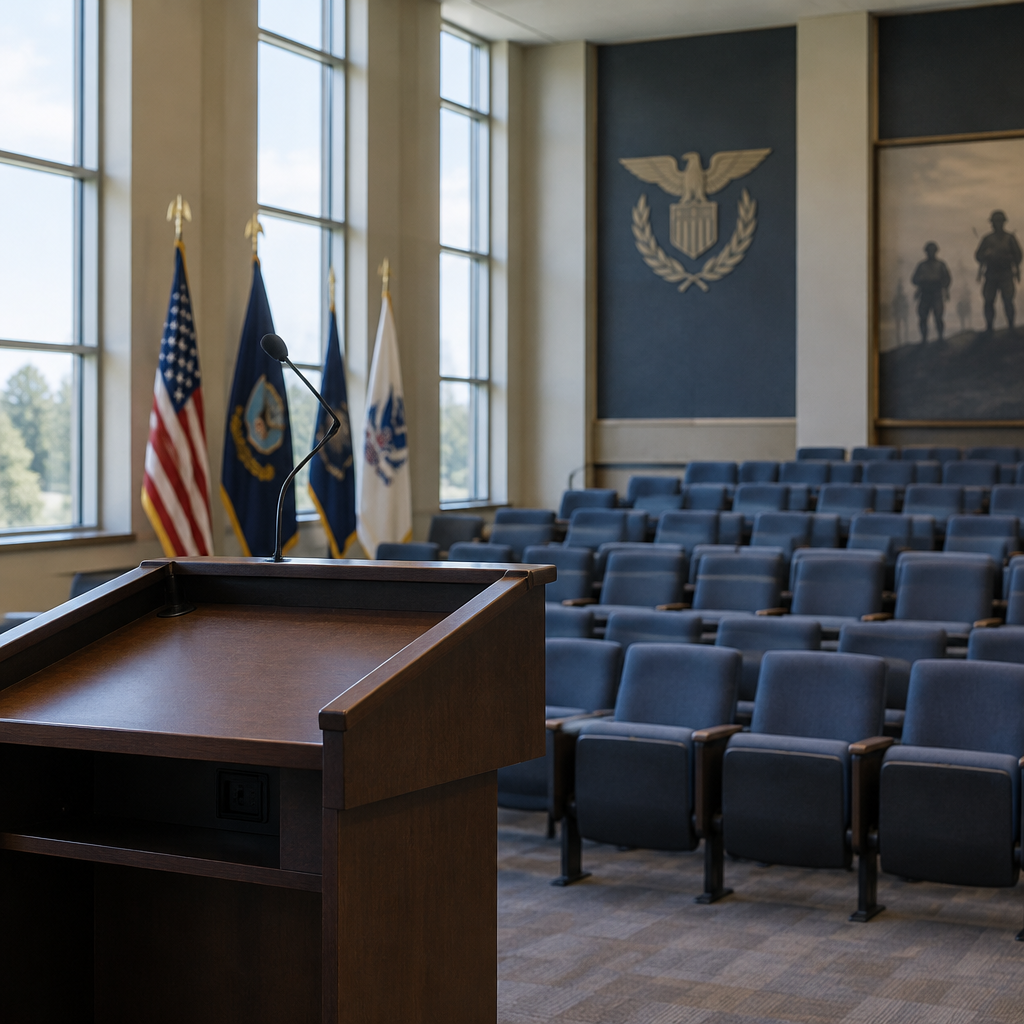
On Monday, Secretary Hegseth issued a 33-point memorandum on professional military education (PME) and delivered a companion speech at the Naval War College. The reforms arrived amid a broader public debate — “the debate over impeaching Defense Secretary Pete Hegseth has largely drowned out discussion” of the memorandum, the author notes — and triggered scrutiny over whether the guidance correctly diagnoses PME’s priorities.
What professional military education (PME) is meant to do
PME encompasses the sequence of educational opportunities officers receive from commissioning through capstone programs for generals and flag officers. As the source explains, these programs prepare leaders as they move from commanding small units to corps- and theater-level responsibilities. The author acknowledges that Secretary Hegseth “rightly understands” the critical role PME plays in shaping strategic culture, but argues the guidance misreads what needs to change.

This site is the portfolio.
OSINTSights runs on Cloudflare Workers, D1, R2, and Vectorize, with an AI pipeline on Hetzner ARM. Nubivance designed, built, and operates it. We do the same for clients.
See what we buildOperational excellence versus translating military victory into political outcomes
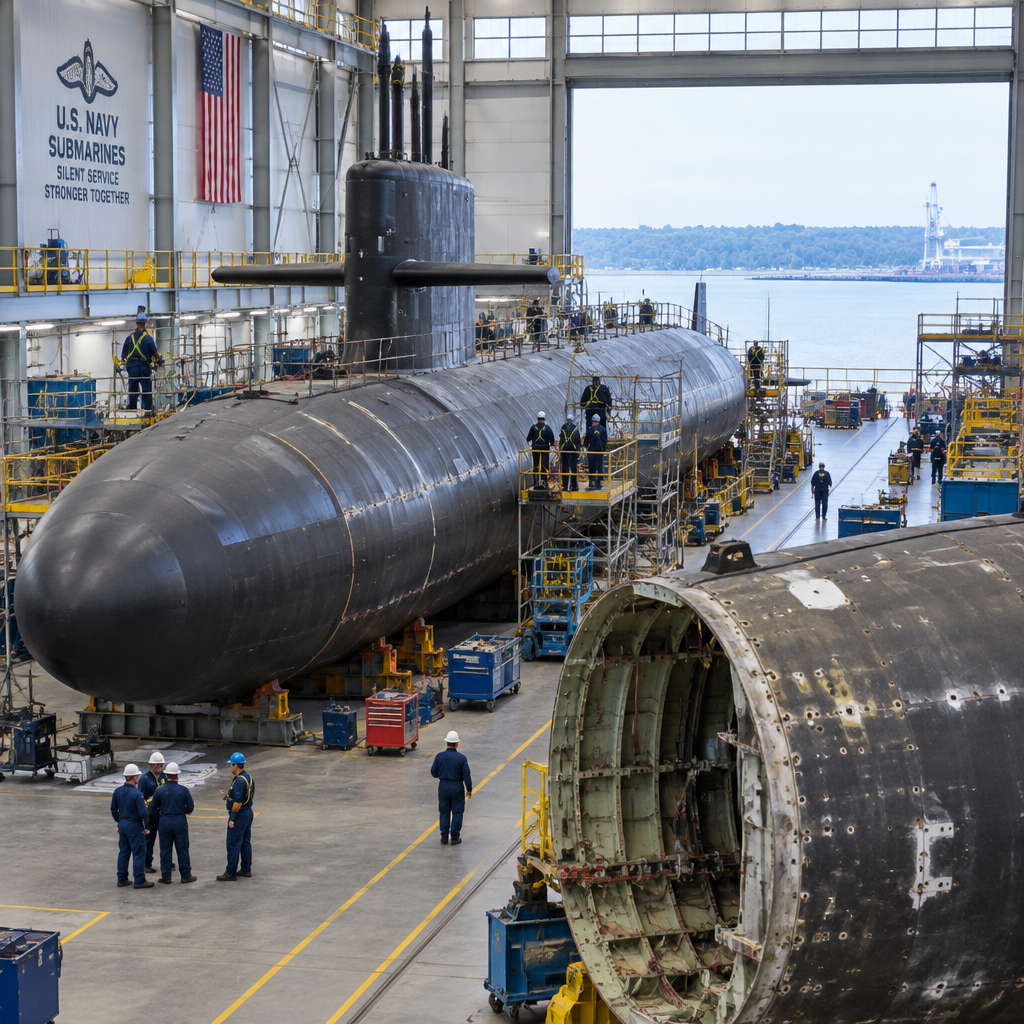
The memo’s emphasis on fighting and winning wars rests against a broader claim from the author: U.S. forces have repeatedly demonstrated exceptional operational competence — "American military units are peerless as warfighters" — and have often achieved immediate military objectives, including in Iraq and Afghanistan. Yet, he contends, the true measure of military effectiveness is whether battlefield success yields enduring political outcomes. The author points to the ongoing conflict with Iran as an illustration: American and Israeli forces “easily penetrated Iran’s defenses, eliminated its senior leadership, and degraded the country’s missile and naval capabilities,” but nearly nine months after the conflict began, Iran’s governing regime remained in power and the Strait of Hormuz “remains too dangerous for commercial shipping.” The author states the Trump administration “has failed to translate its immense military advantage into a durable political settlement aligned with U.S. interests.”
Promising, familiar, and new elements in the guidance
The author finds several worthwhile ideas in the guidance while noting that many purported innovations are already present in PME. Emphasizing jointness, for example, is described as “hardly a new idea”; the author recalls serving on the National War College faculty from 2019 to 2021 alongside Warfighter Chairs from the services. Among the genuinely new or promising proposals the author flags are: a deeper focus on the role of artificial intelligence in modern warfare; a new mid-career “PME 1.5” bridging the gap between field-grade operational experience and senior school attendance; greater use of private-sector expertise in curricula; and expanded use of simulations, tabletop exercises, and competitive wargames to evaluate students under conditions approximating real command uncertainty and pressure.
Risk of politicization: oversight changes and the fate of civilian faculty
The author warns of the “greatest danger” in the guidance: further politicizing institutions that cultivate strategic judgment. The memorandum would shift oversight of PME from the Joint Staff’s J7 — a three-star military billet — to the Undersecretary for Personnel and Readiness, a presidentially appointed, Senate-confirmed position. While the author says that transfer “isn’t objectionable on its face,” he cautions it hands more control over curricula to political appointees who might pursue ideological agendas. He also criticizes doing away with tenure for civilian faculty, arguing that making these hires subject to political preferences “will reduce and may even eliminate the unique expertise that civilian scholars bring” in history, international relations, economics, political science, technology, and regional studies. The author frames the civilian professor’s capacity to challenge conventional military wisdom as among the most valuable contributions to a serious war college.
What this means for civilian policymakers, military leaders, and PME faculty
- Civilian policymakers and the Undersecretary for Personnel and Readiness: Will acquire greater leverage over PME content and institutional oversight, and thus bear responsibility for preserving continuity and intellectual independence if the author’s concerns about politicization are to be avoided.
- Military leaders and senior officers: Face a continuing imperative to develop strategic judgment that integrates military capabilities with diplomatic, economic, and informational instruments of national power — the author says that “sustained deterrence represents the apex of military effectiveness.”
- PME civilian faculty and academic contributors: Stand to lose tenure protections that the author views as critical to maintaining independent expertise and the capacity to challenge prevailing assumptions, a capability he says is necessary for producing officers who can advise civilian leaders candidly.
Greg Pollock — who served in leadership positions in the Office of the U.S. Secretary of Defense from 2010 to 2025, taught at the National War College from 2019 to 2021, and is now an Adjunct Professor at Georgetown University’s School of Foreign Service and a non-resident Senior Fellow at the Center for Climate and Security — concludes that a successful PME system must produce leaders who can “communicate complex ideas to civilian policymakers, deter our adversaries, and overcome the most consequential shortcoming in the American way of war: translating military strength into enduring national advantage.” The policy choice before the Department of Defense, therefore, is not whether to train better operators — it is whether PME will continue to cultivate the strategic thinkers capable of turning military power into lasting political outcomes.