Each Bluebottle spent 41 days at sea during a recent deployment and helped observe 242 vessels—100 of them not broadcasting AIS—underscoring why Fiji should plan to operate its new unmanned surveillance boats jointly with Australia rather than alone.
What Bluebottles are and what they can do
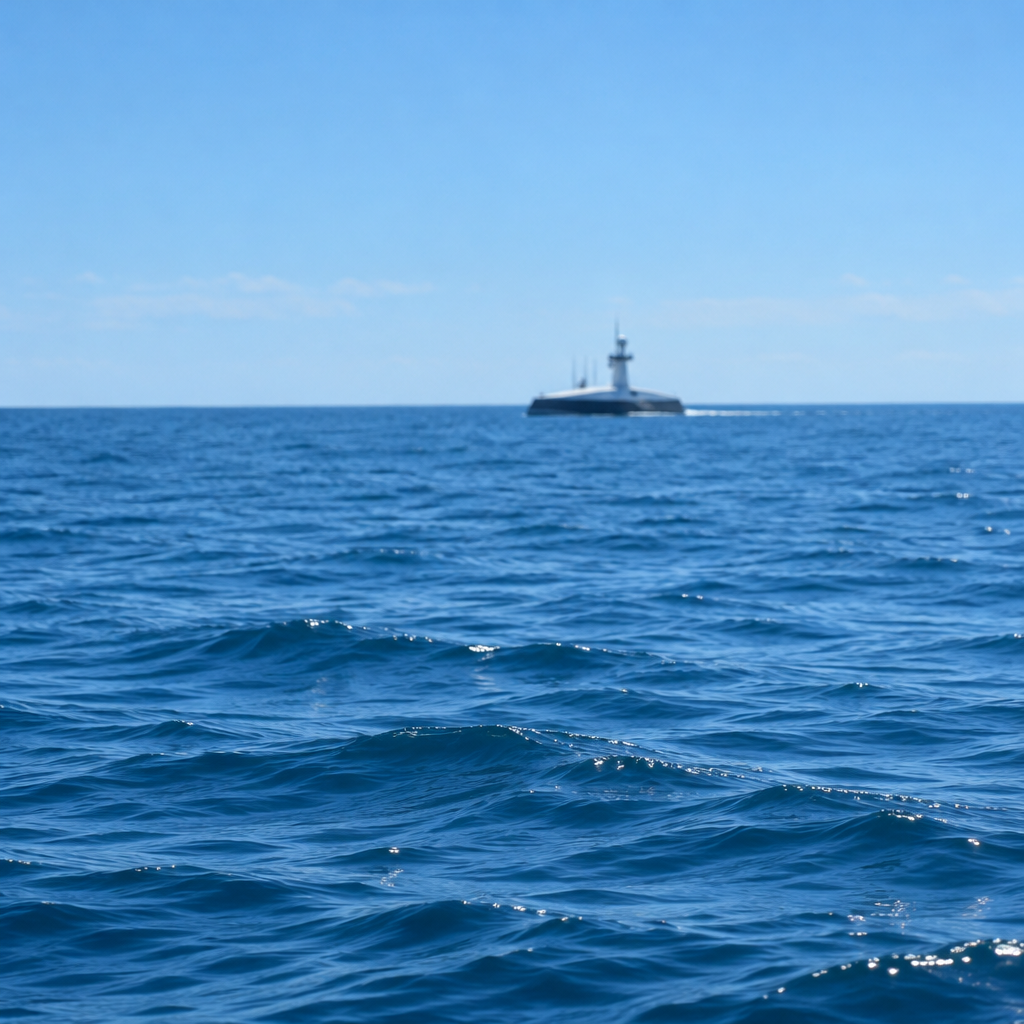
Bluebottles are Australian-developed unmanned surface vessels that use solar, wind and wave energy to remain at sea for extended periods with no crew aboard. They can patrol maritime routes, observe ships and boats and send their data ashore. Canberra has promised training for Fijian operators; the boats destined for Fiji are due for delivery in 2027 and have been confirmed as belonging to Fiji and operating under Fijian command.
Fiji’s core requirement: tasking, not just operation
The analytic argument in the material is straightforward: the key independent capability Fiji needs is tasking—the authority and ability to decide where Bluebottles go, when they go and what they do on station—rather than sole ownership of every operating shift. Fijian officers are meant to exercise mission command, determining movements while relying on external coverage as they build a sustainment workforce. The source stresses that Fiji will necessarily rely on Australian support to bring the boats into service.

The cyber insurance questionnaire just landed. Now what?
SOC 2, HIPAA, insurance renewals - someone has to own security strategy. Nubivance provides fractional CISO leadership without the full-time salary.
Get a security leadLessons from New Zealand joint deployments
Concrete precedent exists in two recent deployments involving New Zealand Bluebottles operating around Fiji. In a year-earlier operation, the two Bluebottles belonged to New Zealand; their operators worked alongside Republic of Fiji Navy personnel in Suva while a New Zealand team at Devonport covered the night watch and a New Zealand aircraft assisted. A post-operation brief reported 41 days at sea for each Bluebottle and observation of 242 vessels—100 of them not sending Automatic Identification System (AIS) signals, which a watch relying solely on AIS would have missed.
More recently, at Fiji’s request, two New Zealand Bluebottles ran a four-week, round-the-clock monitoring mission on known maritime routes and identified 137 vessels for further scrutiny by Fiji’s Maritime Essential Services Centre. The centre’s director, Lemeki Lenoa, described sustained observation as a priority and pointed to staffing and fuel costs as constraints—concrete limits that joint operation can help address.
How Australia can partner: shared watches, data assessment and surge support
The recommended operating model centres on shared responsibility. Australians can staff desk-based watches from Australia to share shifts with operators in Fiji, provide assessments of what Bluebottles observe, and lend routine, day-to-day operational advice as shifts are handed over. The Royal Australian Navy (RAN), with deeper experience of Bluebottle operations, is positioned to lend that advice and to help assess surveillance data. The RAN could also, when necessary, send an aircraft or ship to investigate a suspicious contact.
Operationally, Fiji would staff the watches it wants or can sustain independently, while Australia covers agreed gaps. Canberra is urged to decide whether to commit operators and funding regularly so Suva can plan patrol schedules around that availability. The Pacific Maritime Security Program is identified as the program through which Australia already helps partners maintain patrol boats and train crews—and one through which this shared model could be executed.
What this means for Fiji, the Royal Australian Navy, and Canberra
- Fiji: Prioritise building tasking capability—deciding patrol objectives and employs mission command—while using Australian-covered shifts to ensure uninterrupted surveillance as the Navy grows its workforce.
- Royal Australian Navy: Provide operators, routine operational advice during handovers, and analytic support for surveillance data; be prepared to deploy ships or aircraft in response to suspicious contacts identified by Bluebottles.
- Canberra: Decide whether to make a regular operational and funding commitment; the decision has a direct mutual-security rationale, given Defence Industry Minister Pat Conroy’s linking of Pacific drug smuggling to Australian interest in sustaining patrols.
The record from New Zealand-supported patrols shows what joint watches can deliver: extended time at sea, detection of non-AIS traffic and actionable leads for local authorities. If Canberra commits operators and funding on a repeatable basis, and Suva retains tasking authority while outsourcing operational shifts as needed, the arrangement promises to make Fiji’s patrols more effective, strengthen ocean-watch capacity and build an interdependent monitoring scheme that benefits both countries.
https://www.aspistrategist.org.au/fiji-should-operate-its-bluebottles-jointly-with-australia/