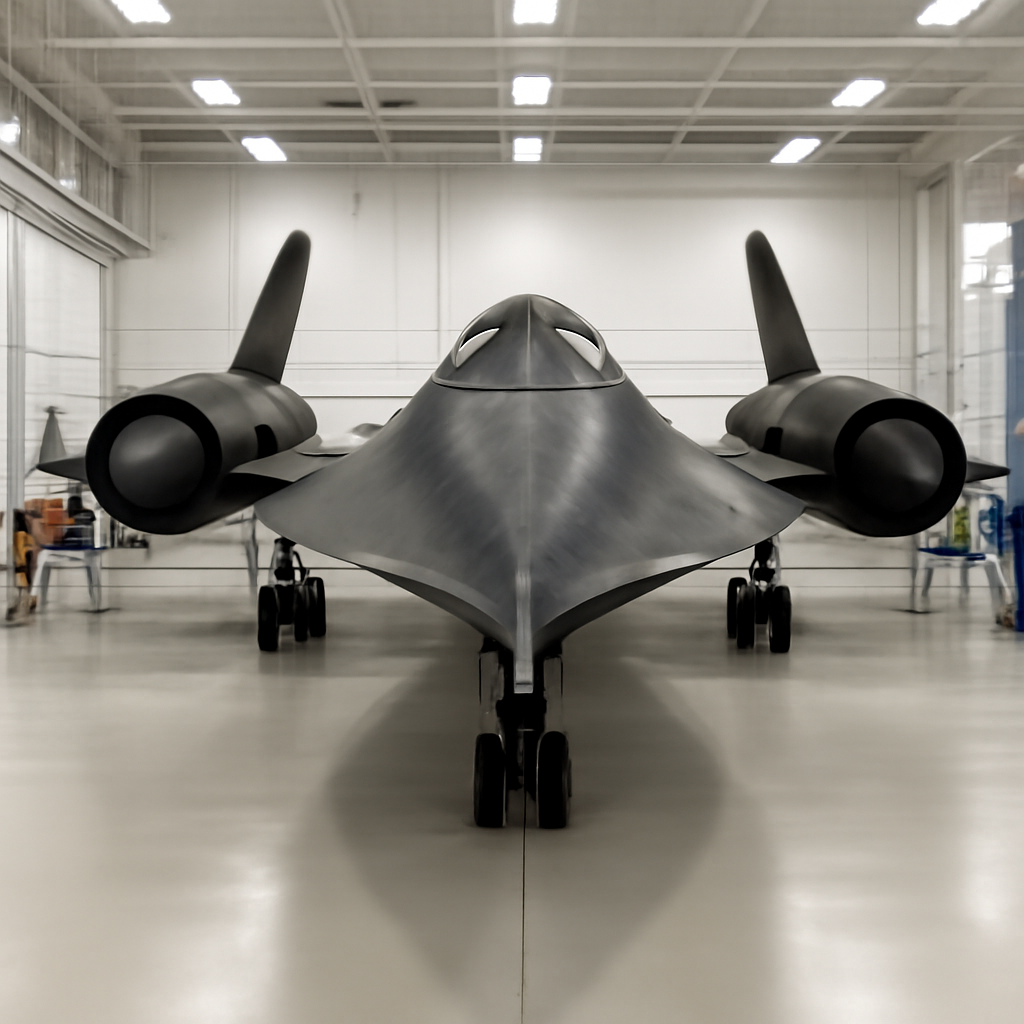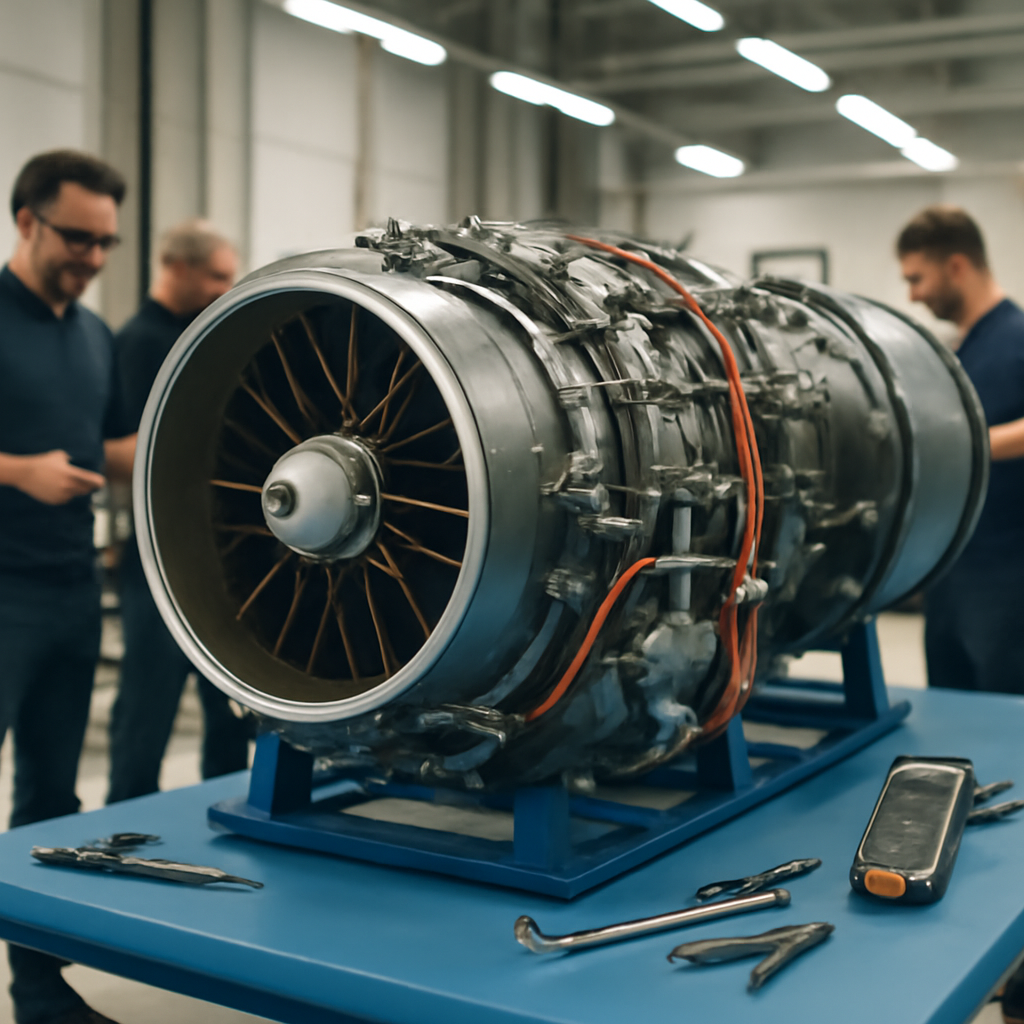
Jet engines as the chokepoint
The single hardest problem blocking India’s push for self-reliant fighter modernization is the jet engine. The article reports that India is negotiating with U.S. engine manufacturer General Electric for its F414 to power five prototypes of the fifth‑generation Advanced Medium Combat Aircraft (AMCA), and that the deal for those 15 engines that the Aeronautical Development Agency (ADA) is looking to buy off‑the‑shelf has seen the cost per engine triple. That price shock has surfaced against a backdrop of delayed fighter development and deliveries across several platforms.
GE F414 negotiations: technical closure, commercial friction
Negotiations over the F414 have been in the works for over three years. Technical talks are reported to be complete and commercial talks are underway, but commercial terms — including a sharp price increase for the prototype engines — have created a bottleneck. The larger agreement under discussion between General Electric and Hindustan Aeronautics Limited (HAL) for the LCA‑Mk2 remains at the commercial stage, and cost escalation on that deal is expected as well, driven by a steep devaluation of the rupee, supply‑chain disruption, and higher input and raw‑material costs linked to the wars in Ukraine and in West Asia.

Audit-ready is a season. It shouldn't be.
Evidence in spreadsheets, controls drifting between audits, frameworks multiplying on flat headcount. Nubivance runs continuous compliance on Rapid7 Cyber GRC - SOC 2, HIPAA, ISO 27001, PCI, CMMC.
End the scrambleWhere the engines fit: F404, F414 and program distinctions
The article lays out the engine architecture that underpins current and planned Indian fighters. The lower‑powered F404 already powers the LCA‑Mk1 variants (Mk1 and the yet‑to‑be‑delivered Mk1A). The F414 was chosen for the LCA‑Mk2 and for AMCA prototypes and the initial AMCA‑Mk1 variant. Eight F414 engines have been delivered for development and testing, while the 15 engines for the AMCA prototypes are the subject of the recent price escalation. Engines for the AMCA‑Mk1 are described as a separate deal to be taken up in the near future.
Program roles: HAL, ADA/DRDO, and private production
Responsibility for the different programs is split. HAL is manufacturing the LCA‑Mk2; the Aeronautical Development Agency (ADA) under the Defense Research and Development Organization (DRDO) is responsible for AMCA design development. AMCA production is planned to be executed by private industry, and the selection of private partners is underway with HAL completely out of the AMCA production program. In June 2023, Prime Minister Narendra Modi and then‑U.S. President Joe Biden announced a landmark agreement for GE F414 manufacture in India by HAL to power the LCA‑Mk2; that framework identified a list of technologies to be transferred and led to a renewed round of negotiations.
Fleet math and timelines: how many jets and when
The article quantifies the scale of the dependency on these engines. It reports that the Indian Air Force (IAF) operates 40 LCA‑Mk1 and has 180 Mk1A on order, and that at least 120 LCA‑Mk2 are expected to be procured. Combining those figures yields some 340 LCA variants, plus five AMCA prototypes and at least two squadrons of AMCA‑Mk1 jets that could be produced — a squadron is stated to consist of 16 fighters and two trainers. The piece calculates "over 380 jets" leveraging these figures, or roughly half of the IAF’s sanctioned fighter strength. The AMCA program has just entered development with 2035 the current timeline for induction; the LCA‑Mk2 maiden flight is now expected by year‑end or early next year, and the Mk2 was explicitly designed around the F414 to replace aging Mirage 2000s and Jaguar deep‑strike platforms. Separately, the article notes that 150 Rafale multi‑role jets, "114 to be procured," are intended to hold force levels at the upper end until AMCA‑Mk2 availability improves.
Safran talks for AMCA‑Mk2 and the medium‑term outlook
For the higher‑thrust requirement of the AMCA‑Mk2, negotiations with France’s Safran are described as being in an advanced stage for co‑development of a new, more powerful 120 kN engine; that development is expected to take a decade. The article frames this as part of a two‑track reality: American F404/F414 engines will power the present and near‑future fleet, while a Franco‑developed higher‑thrust engine is being pursued for the longer term. Taken together, the reporting concludes that the F404 and F414 will remain central — "the present and future, in the near and medium term" — meaning American powerplants will dominate India’s indigenous fighter ecosystem for decades.
How HAL, ADA/DRDO, and the Indian Air Force are responding
- HAL: Engaged in commercial negotiations with GE to manufacture the F414 in India and expected to absorb a large technology transfer; the ministry officials say the deal would facilitate 80 percent technology transfer for manufacturing processes compared with 58 percent in a 2012 Engine Development Agreement.
- Aeronautical Development Agency (ADA) and DRDO: Seeking to buy 15 off‑the‑shelf F414s for AMCA prototypes while continuing AMCA design work; the prototype purchase has become a near‑term negotiation flashpoint due to per‑engine cost escalation.
- Indian Air Force (IAF): Facing delays across LCA and AMCA variants, the service is reliant on an interim mix (LCA variants and Rafale buys) to arrest squadron shortfalls until higher‑thrust AMCA variants and their engines are fielded.
The immediate fact is simple and stark: the availability, price and licensing terms of F414 engines have shifted from a technical procurement detail into the central strategic variable that will shape India’s fighter fleet for years. Whether the commercial talks close on terms that preserve ambitious localization goals, or whether cost and currency pressures push timelines and force compositions further, is the next concrete inflection point to watch.