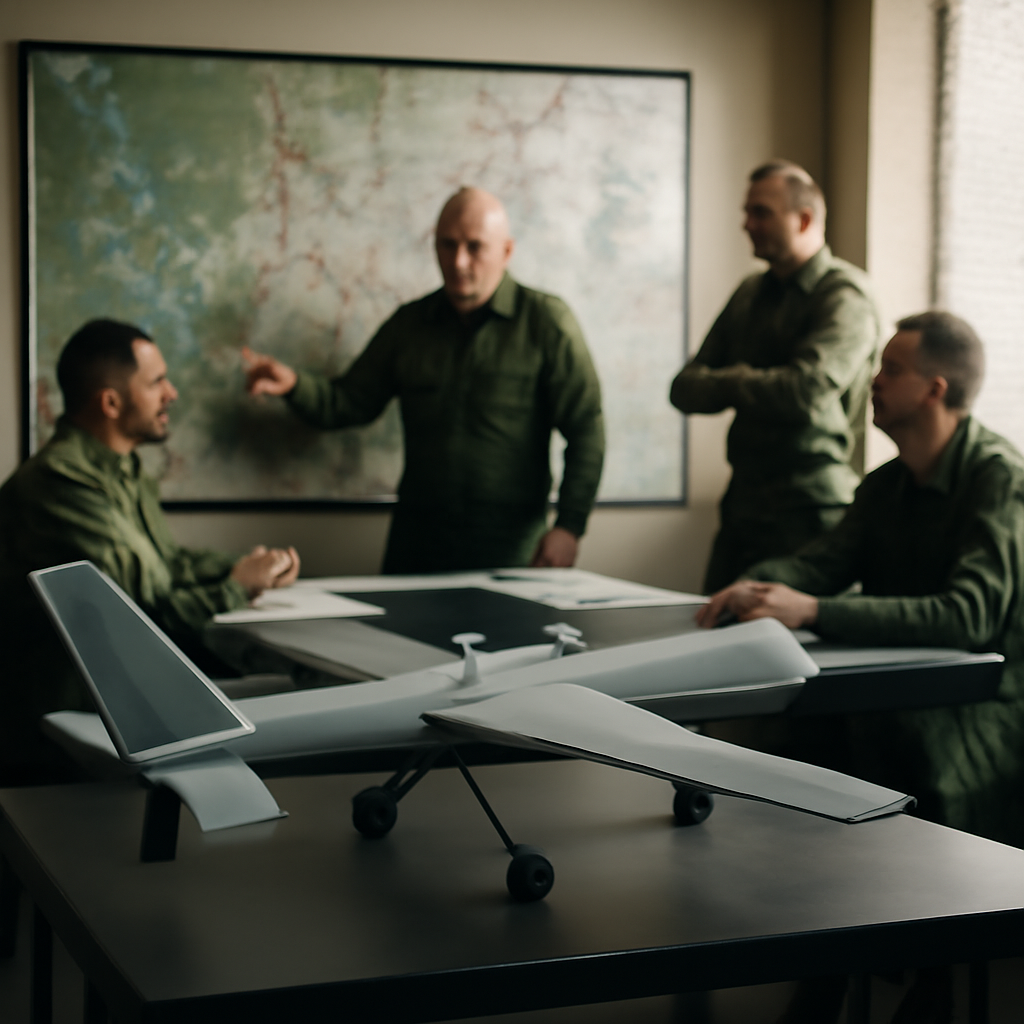
"If we were going to breach a mined wire obstacle, the first step of SOSRA – suppress – would be the utilization of indirect fires..." — Army Col. Timothy Price, head of the 2nd Cavalry Regiment.
Col. Timothy Price on SOSRA and the multi‑domain obstacle
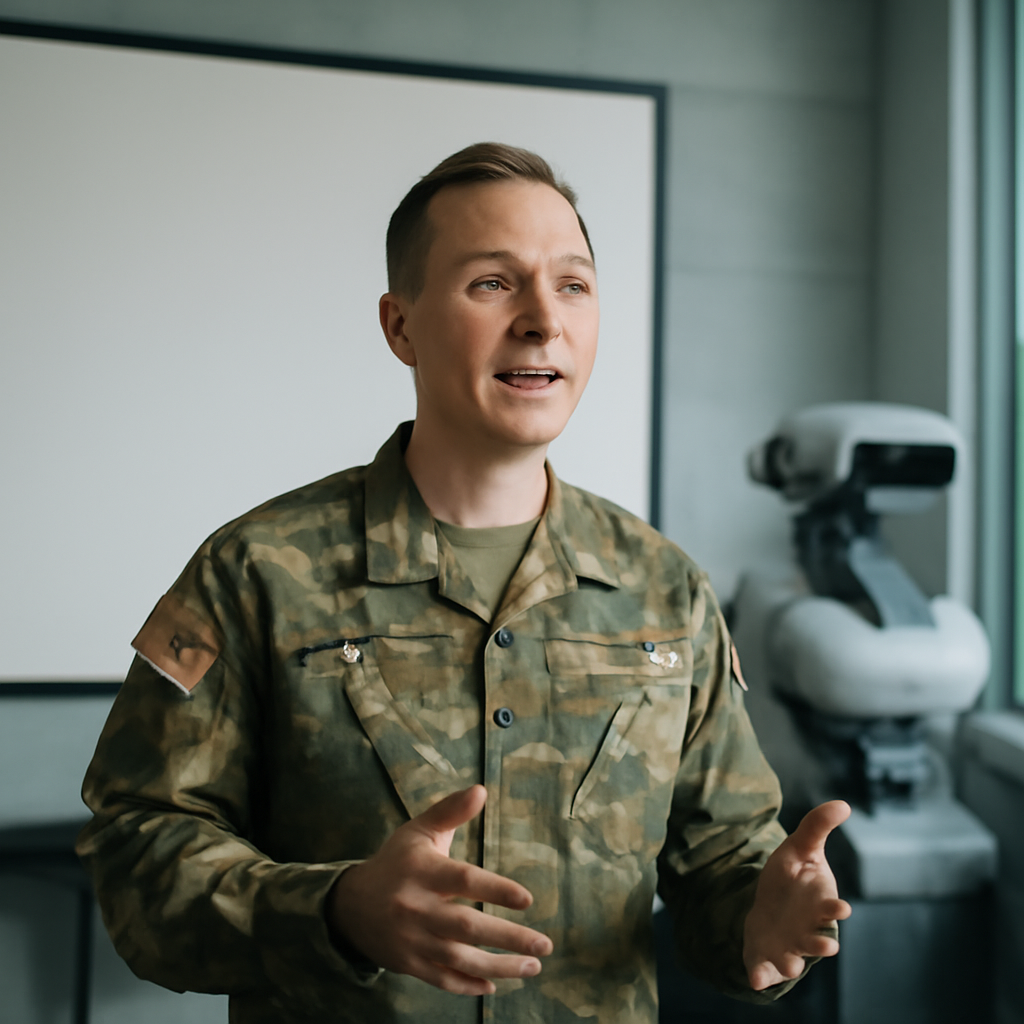
Speaking at the Association of the U.S. Army’s main annual convention, Army Col. Timothy Price framed modern breach operations through the well‑established SOSRA construct: Suppress, Obscure, Secure, Reduce, Assault. Price, commander of the Germany‑based 2nd Cavalry Regiment, said the traditional minefield or wired obstacle has become a "multi‑domain environment" made up of electronic warfare, kinetic UAS threats, counter‑UAS systems and the networking that ties them together.
He described suppression now including probes to "feel out an enemy’s uncrewed capabilities" and their electromagnetic emissions, and observed that brigade formations may not have all the tools to perform that probing themselves when emitters or ground control stations are miles behind the front. Price said small, attritable UAS could be flown into rear security areas to force adversaries to turn on EW systems or radars, thereby creating signatures that higher headquarters can geolocate and target.
Project Flytrap: counter‑drone experiments and the Stryker regiment
For more than a year, the U.S. Army in Europe has been running experiments under Project Flytrap to develop counter‑drone capabilities and associated tactics, techniques, and procedures. The 2nd Cavalry Regiment — a brigade‑sized mechanized formation equipped primarily with Stryker 8×8 vehicles — has been a visible participant, configuring Strykers for the counter‑drone role and showing systems during Flytrap events.
Project Flytrap’s primary focus, Price said, is on counter‑drone capabilities that intersect heavily with the secure stage of SOSRA: the detection and disruption of enemy UAS and their command‑and‑control nodes.

This site is the portfolio.
OSINTSights runs on Cloudflare Workers, D1, R2, and Vectorize, with an AI pipeline on Hetzner ARM. Nubivance designed, built, and operates it. We do the same for clients.
See what we buildDeception and obscuration: UGV decoys, spectral camouflage, and signatures
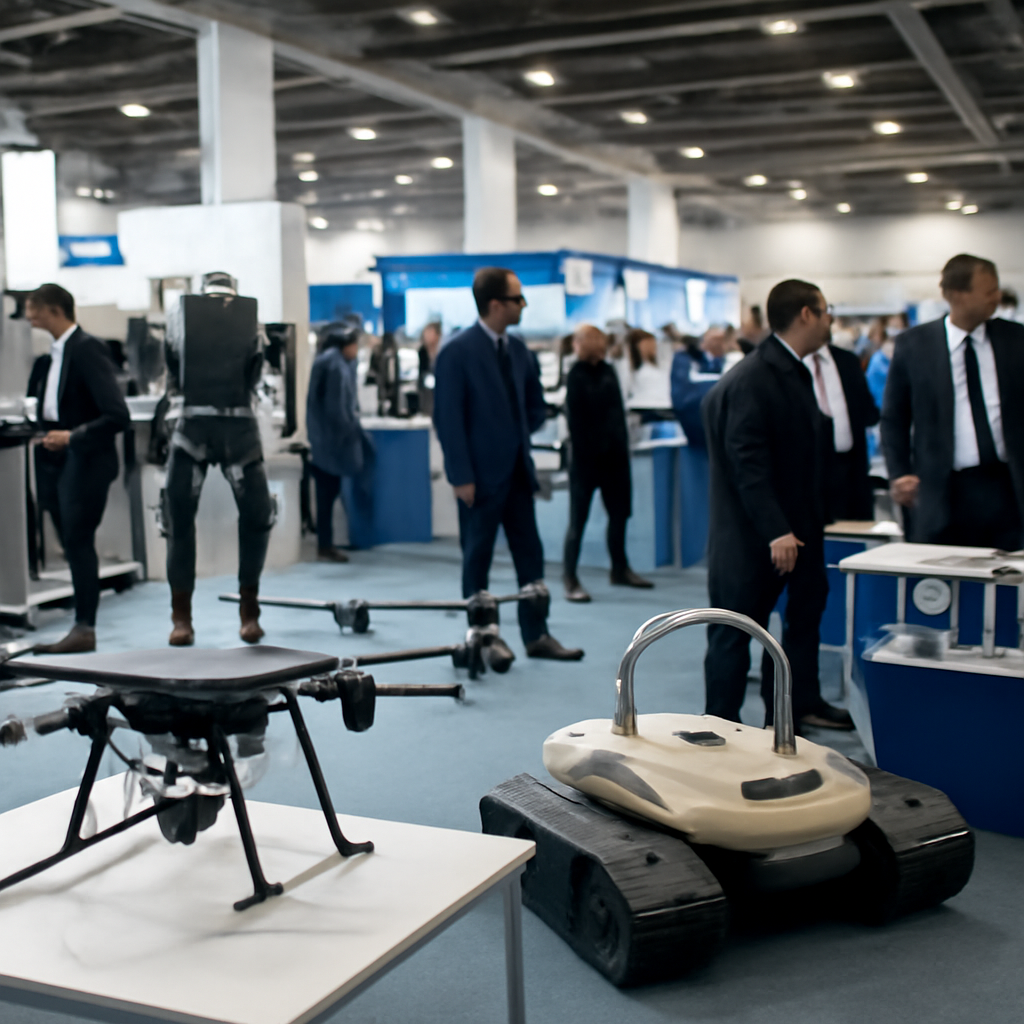
Price emphasized deception as central to the "obscure" step of SOSRA. Rather than relying solely on traditional smoke, he asked how forces can "show the enemy a signature that says I’m going to breach over here when I’m actually going to breach here." He outlined practical options including uncrewed ground vehicles carrying decoy emitters to draw enemy attention and resources to the wrong place.
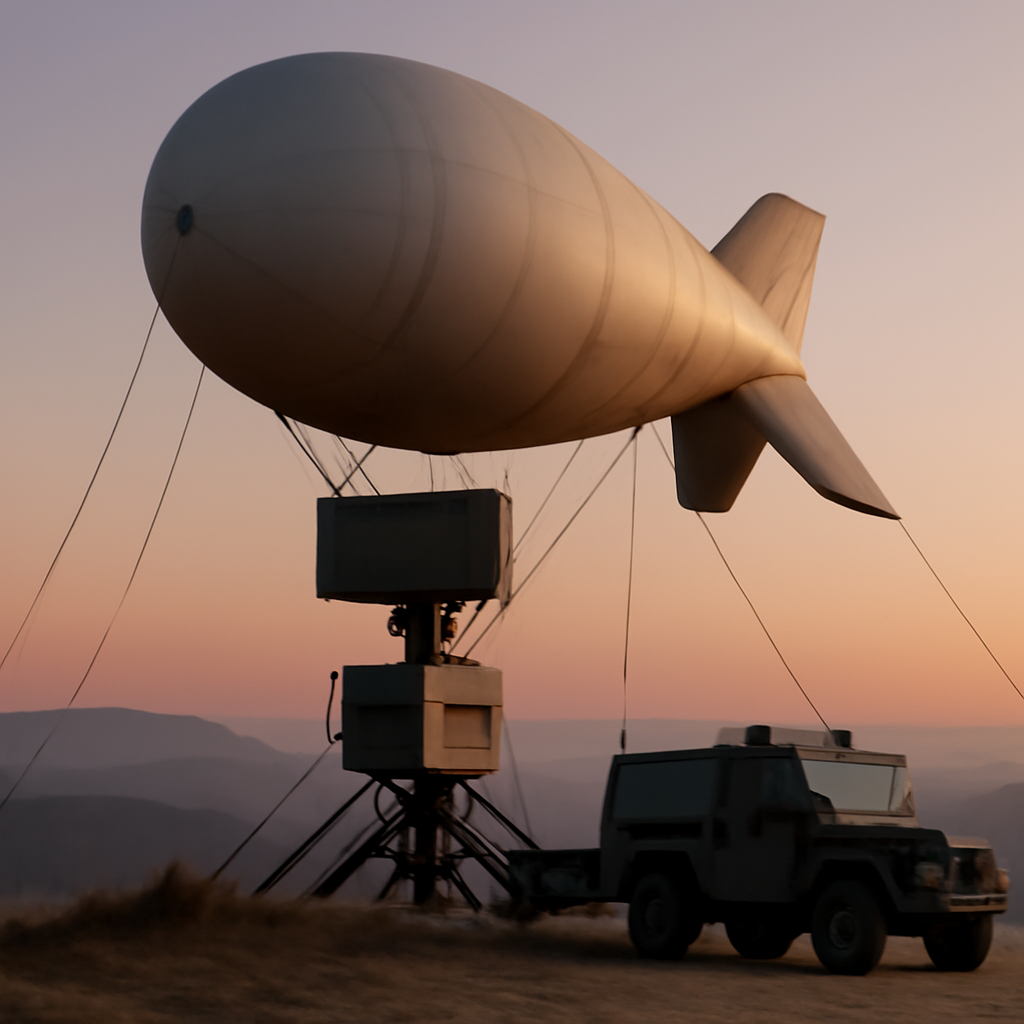
He also broadened obscuration to include "spectral camouflage" — managing heat and thermal signatures, radios, and soldier discipline — so that vehicles and personnel are less easily detected by thermal or electronic sensors. The report cites historical and recent military work using uncrewed platforms as decoys and notes earlier programs that sought to create false signatures across domains, including a Navy cross‑domain concept called NEMESIS from 2014.
Reduce and assault: loitering munitions, C2 targeting, and one‑way attack munitions
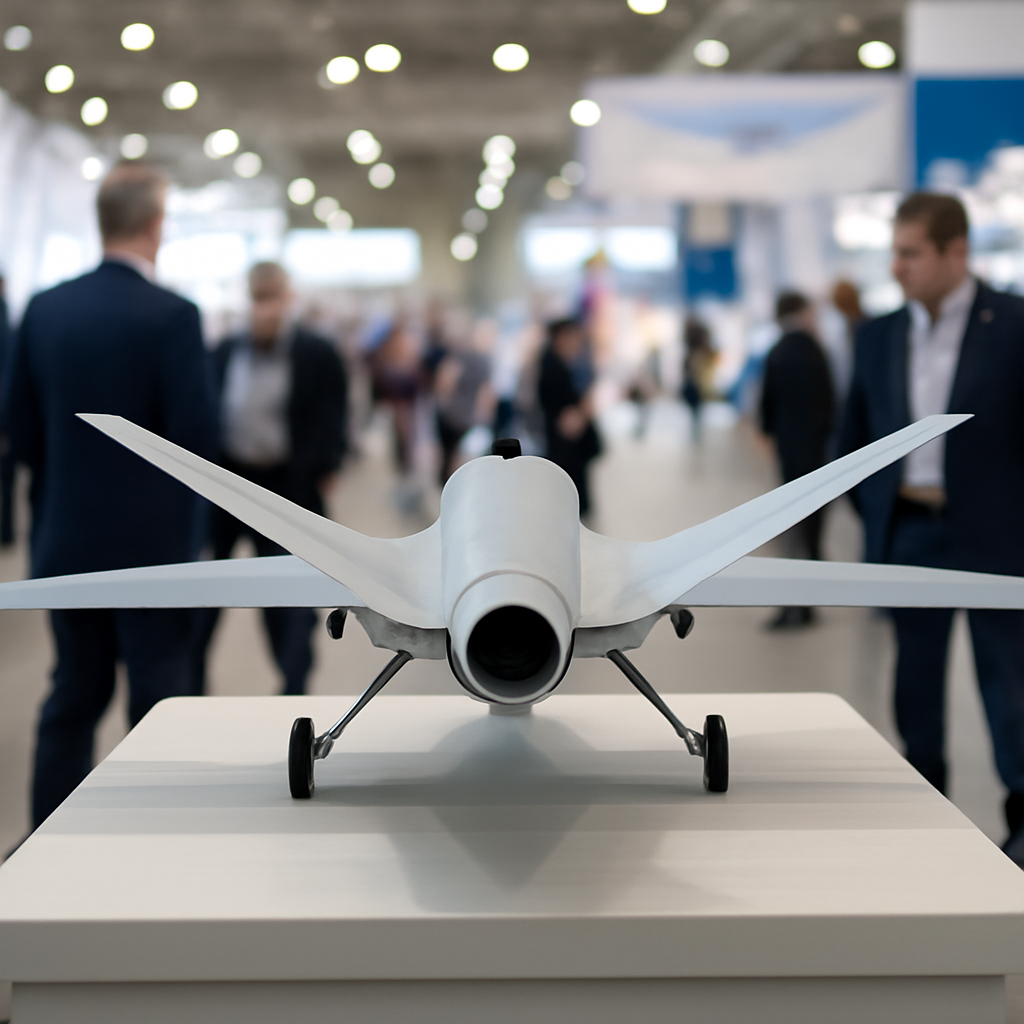
Price described the "reduce" phase as now involving one‑way attack munitions — friendly kamikaze drones — aimed at degrading enemy command‑and‑control networks that underpin reconnaissance/strike complexes. At the brigade level he said the focus is on destroying C2 nodes, headquarters and ground control stations that enable lethal effects, while corps and theater levels pursue higher echelon targets.
The U.S. Army is already fielding a variety of weaponized drones, the report notes, including loitering munitions and systems capable of releasing small bomblets or grenades. A 2025 image accompanying the coverage shows a 2nd Cavalry soldier holding a small quadcopter and a simulated bomblet during an exercise.
What this means for brigade commanders, Corps-level planners, and Army modernization leaders
- Brigade commanders and cavalry regiments: Expect to integrate expendable UAS and UGV decoys into tactical probing and deception plans, while depending on division or higher for effects on remote emitters and theater‑level EW targeting.
- Corps‑level planners and electronic warfare units: Price’s account foregrounds a role for higher headquarters in exploiting signatures generated by small probes — taking the emissions those probes elicit and converting them into targets at scale.
- Army modernization and acquisition leaders: The experiments under Project Flytrap and the fielding of diverse weaponized drones create pressure to resolve organizational gaps that leave brigade units without all required tools, while recent Pentagon initiatives — including plans for a new Autonomous Warfare Command (AUTOWARCOM) — aim to accelerate cross‑service fielding of uncrewed capabilities.
The 2nd Cavalry Regiment’s experiments, Price’s framing of SOSRA for a multi‑domain battlefield, and the Army’s recent institutional moves combine into a clear operational trajectory: uncrewed systems will be used not only for sensing and strike, but also as active instruments of deception to force adversaries to reveal or misallocate their own sensors and shooters. Success, Price acknowledged, will depend on convergence — on brigade tactics tied to division, corps and theater effects — and on the rapid fielding of both counter‑UAS and weaponized UAS that Project Flytrap is evaluating.
Original reporting: https://www.twz.com/news-features/drones-are-creating-new-opportunities-for-the-u-s-army-to-deceive-its-enemies