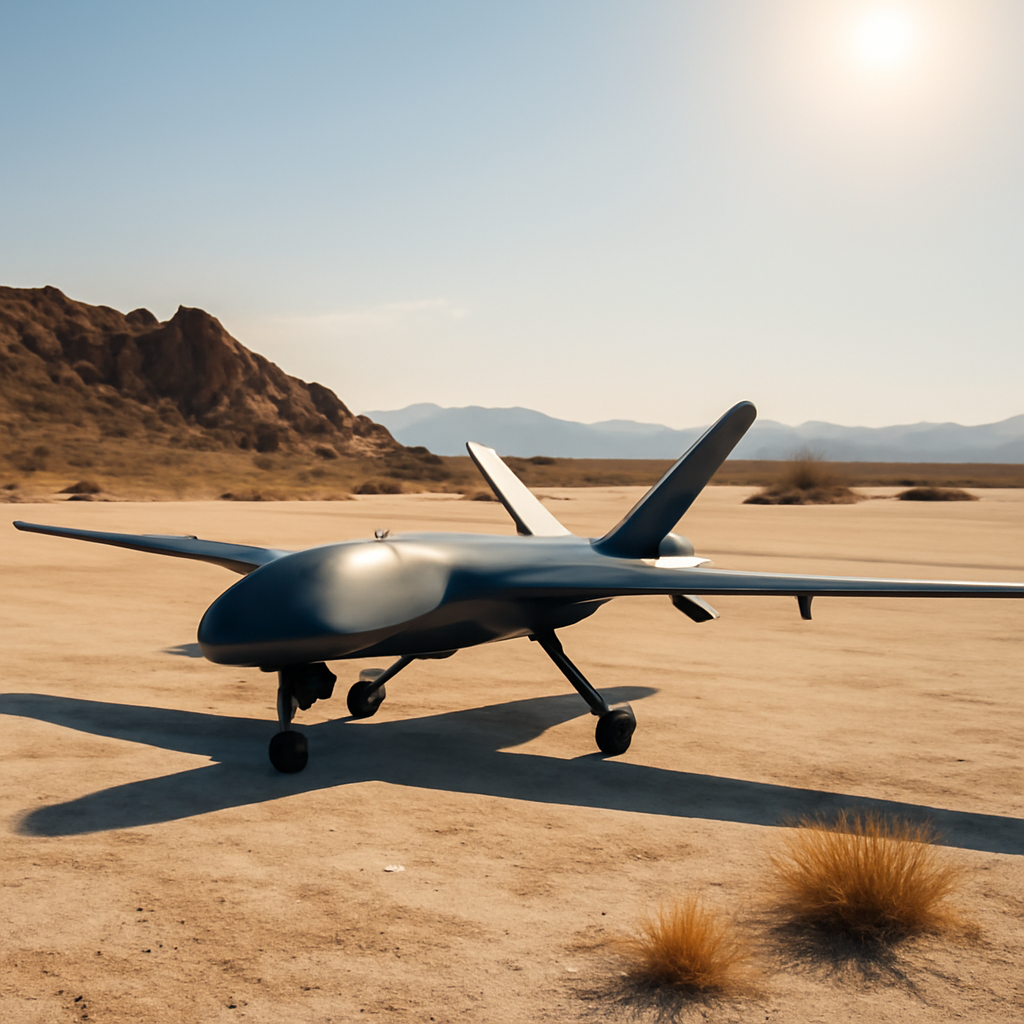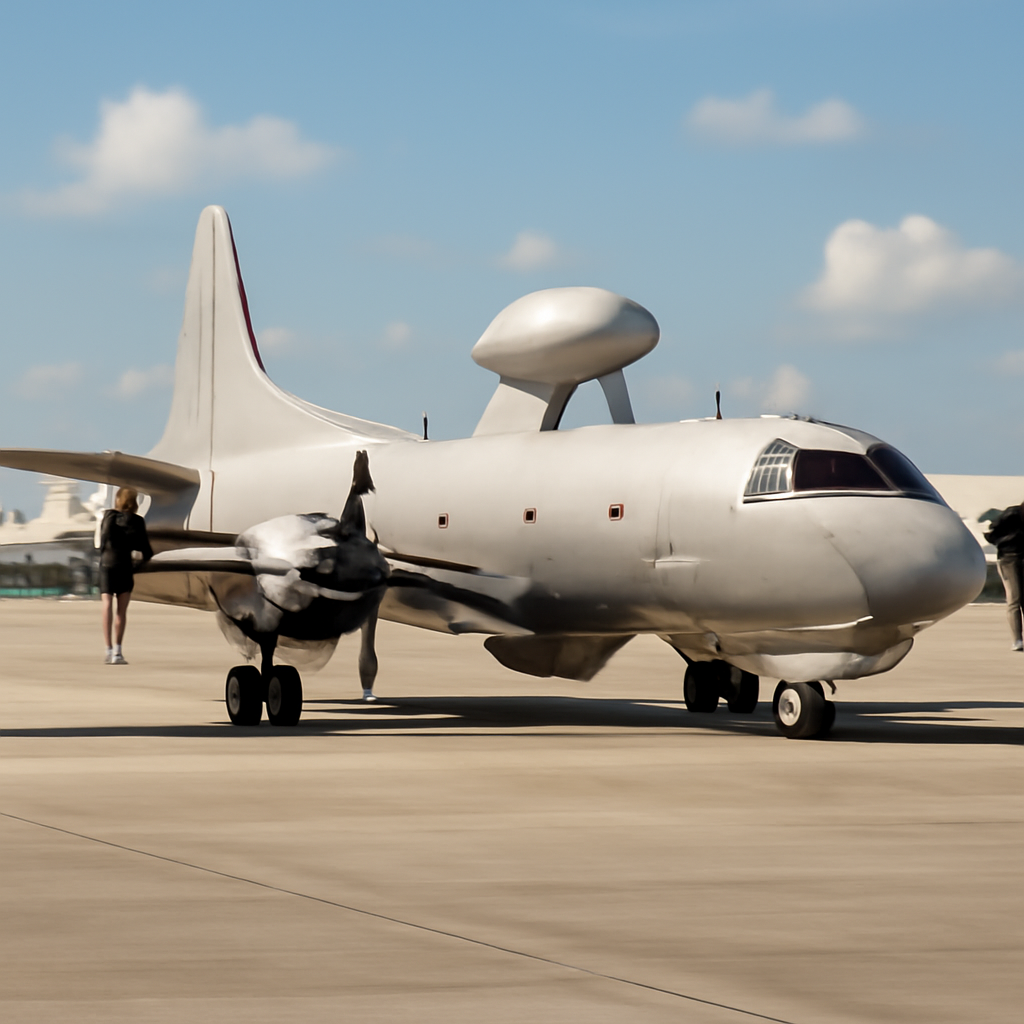
Up to 10,000 Advanced Precision Kill System‑II Guidance Sections — a potential $1 billion arms sale — are among three State Department foreign military sale notifications announced Friday, the department said, setting in motion negotiations that could rearm three U.S. partners in the Middle East.
UAE: APKWS‑II guidance sections and interoperability
The State Department announced a possible $1 billion deal that would provide the United Arab Emirates with up to 10,000 Advanced Precision Kill System‑II Guidance Sections and “several other ‘non‑major defense equipment items’ related to missiles.” The notice follows an earlier request from the UAE in May for up to 1,500 APKWS systems.
The department framed the potential sale as a way to help the Emirates maintain a “strong and ready self‑defense capability and improv[e] interoperability with US forces.” The release does not mention Iran; it does note the move comes as the United States and its allies are racing to deploy relatively low‑cost ways to defeat drones and other incoming threats since the outbreak of hostilities in the region in February.
Kuwait: Patriot repair and return services
A separate State Department notice said Kuwait has “requested to buy repair and return services for Patriot missiles” and associated equipment and services for $400 million. The notice says the repairs will “improve Kuwait’s capability to meet current and future threats and provide greater security for its critical oil and natural gas infrastructure.”
The release recalls that Kuwait has used the Patriot system since the 1990s [PDF] and notes that Kuwait has been targeted “in recent months,” including a strike that took the lives of six American soldiers in early March. The notice itself does not mention Iran.

Audit-ready is a season. It shouldn't be.
Evidence in spreadsheets, controls drifting between audits, frameworks multiplying on flat headcount. Nubivance runs continuous compliance on Rapid7 Cyber GRC - SOC 2, HIPAA, ISO 27001, PCI, CMMC.
End the scrambleEgypt: Javelins and launch units
The third notification cleared by the State Department seeks approval of an $832 million sale to Egypt for up to 2,020 Javelin missiles, 200 launch units and other associated equipment. The department said the proposed sale “will support U.S. foreign policy and national security objectives by helping to improve the security of a friendly country that continues to be an important force for political stability and economic growth in the Middle East.”
How the U.S. foreign military sales process shapes what follows
All three announcements are notifications of possible sales — not final contracts. As the releases note, the dollar figures and unit counts “can change as negotiations progress,” and U.S. lawmakers retain the authority to attempt to block or alter the sales. That sequence — notification, negotiation, potential congressional involvement — is the immediate next step for each package.
What this means for the UAE, Kuwait, and Egypt
- UAE: The potential delivery of thousands of APKWS‑II guidance sections would increase the Gulf partner’s inventory of precision guidance components for air‑to‑air and air‑to‑ground uses, and, according to the State Department, enhance interoperability with U.S. forces as regional threats evolve.
- Kuwait: The $400 million Patriot repair request is explicitly tied to sustaining defensive readiness and protecting critical oil and natural gas infrastructure; the notice emphasizes maintenance as a response to recent targeting of Kuwaiti territory and personnel.
- Egypt: The Javelin package — missiles plus 200 launch units — is presented as strengthening a “friendly country” whose security the United States connects to regional political stability and economic growth.
These three notifications illustrate a recurring calculus: weapons and sustainment approvals are framed publicly as measures to bolster partners’ self‑defense and regional stability while preserving interoperability with U.S. forces. They also underscore that official announcements will often avoid naming specific adversaries even when releases allude to heightened hostilities and a rush to field cost‑effective counters to drones and other threats.
Whether these notifications turn into completed contracts will depend on negotiation outcomes and any congressional action. For now, the State Department’s releases set a course toward rearming and sustaining three regional partners at a time when officials say finding relatively low‑cost ways to defeat incoming threats has become a priority.