Mystery in Shakargarh: The Unexploded Missile that Speaks Volumes
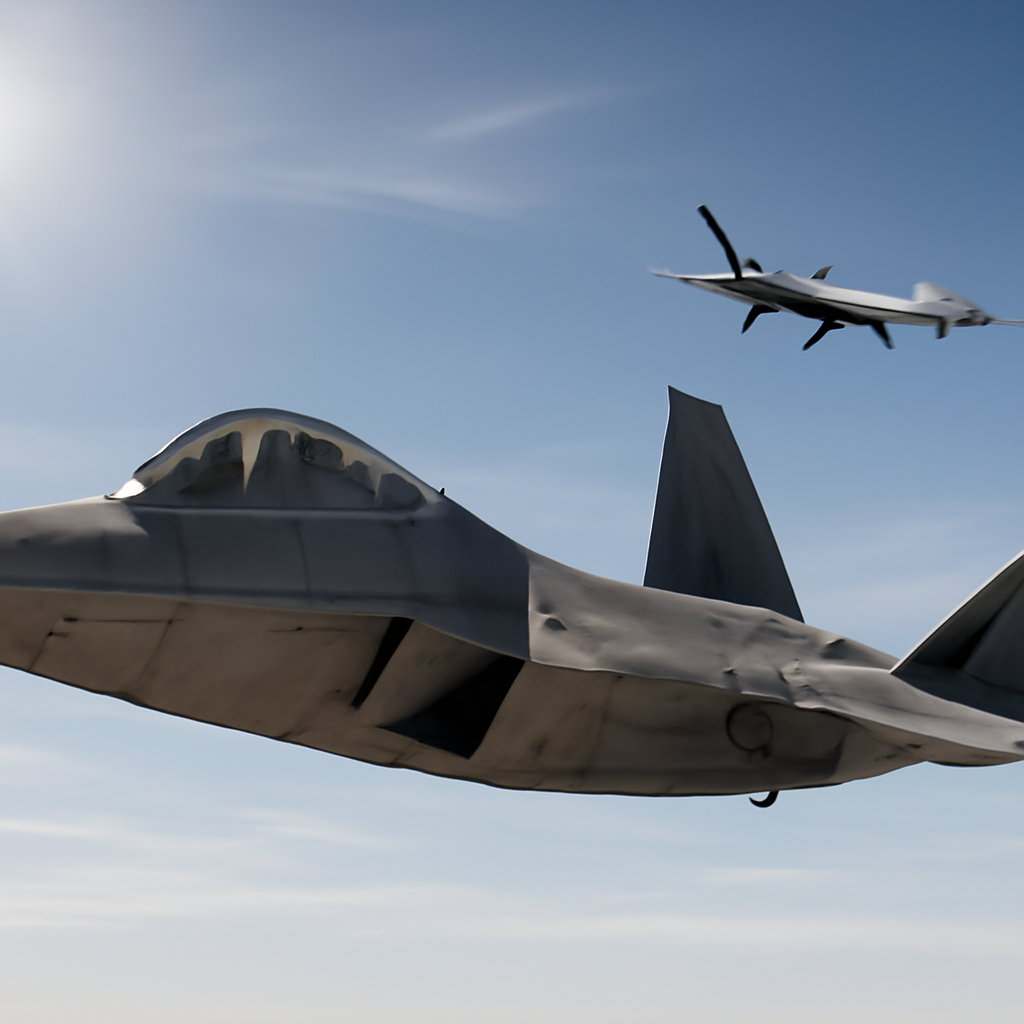
An unexploded missile, launched from an Indian drone, now rests in Pakistan’s Shakargarh region, an area that has long been a flashpoint near Indian-administered Kashmir. The incident, captured in open-source visuals and corroborated by local sources, has sparked renewed debate over the evolving dynamics on the subcontinent’s contested borders.
For decades, the India–Pakistan border has served as both a frontline and a canvas for high-stakes military posturing. The discovery of this UAV-Launched Precision Guided Missile (ULPGM) has once again thrown into focus the precarious balance of power in an already volatile region. While the missile failed to detonate, its presence speaks louder than words, underscoring both technological prowess and the potential for unintended escalation.
Historical tensions between the two nations have been punctuated by periods of both caution and confrontation. Since the partition of British India in 1947, the dispute over Kashmir has fueled episodes of conflict, arms races, and countermeasures that include a range of conventional and unconventional military technologies. In this context, a missile of such sophistication, originating from an unmanned aerial vehicle, is not simply a piece of advanced hardware—it is a symbol of the modern face of conflict, where precision and stealth are central to military doctrine.
According to analyses from defence experts and open-source intelligence, the missile was released from an Indian UAV during a mission near the heavily monitored border area. However, it did not complete its programmed function, landing inert on Pakistani soil. The sequence of events has raised questions among military strategists and policymakers alike: was this an inadvertent malfunction, or a deliberate demonstration lost in translation?
On one hand, the incident has the potential to fuel narratives on both sides. Pakistani defence officials have stressed that the presence of an undetonated missile is a stark reminder of the risks inherent in border confrontations. Meanwhile, Indian military sources maintain that their technology, though advanced, is not immune to operational anomalies—a fact that highlights the uncertainties in any real-world application of precision-guided munitions.
Notably, experts have been quick to caution against drawing sweeping conclusions based purely on this single event. Lt. General (Ret.) Bikram Singh, a prominent strategic analyst whose commentaries are frequently sought in major defence forums, has emphasized, “While the incident is serious, it is not uncommon for technologically complex systems to experience operational glitches. What matters is how such incidents are managed to prevent any inadvertent escalation.”
This perspective is shared by several other analysts who point out that smaller, unexploded ordnance incidents often occur in areas with intense military monitoring and frequent aerial operations. The operational failure of the missile not only reduces immediate risk but also provides a rare opportunity for both sides to assess the operational limits of their technology without immediate human cost.
- Indian Perspective: Officials stress that modern military systems are designed with multiple safeguards, ensuring that any malfunction is contained. They view such lapses as technical challenges rather than strategic shifts.
- Pakistani Concern: Local defence experts see the incident as a reminder of the precarious balance at the border, urging heightened vigilance and robust monitoring to avoid miscalculations.
- International View: Global defence analysts underline that such occurrences, though alarming at first glance, are part of a broader pattern of technological experimentation in contested zones.
Looking ahead, this episode is likely to prompt both nations to revisit their operational protocols and review the fail-safes employed in their advanced weaponry. Policymakers and military strategists on both sides are expected to consider adjustments aimed at reducing the probability of similar errors while managing the broader narrative of deterrence and defense. The diplomatic fallout, should it deepen mutual suspicion, may also spur calls for renewed confidence-building measures to stabilize a historically volatile region.
As observers ponder this incident, the larger question remains: In an era where technology increasingly blurs the lines between controlled operations and accidental provocations, how can nations safeguard against neuralgic missteps that might otherwise ignite longstanding conflicts? In the delicate interplay between innovation and risk, every unexploded missile is not just a piece of metal—it is a tangible reminder of the fragile nature of peace.