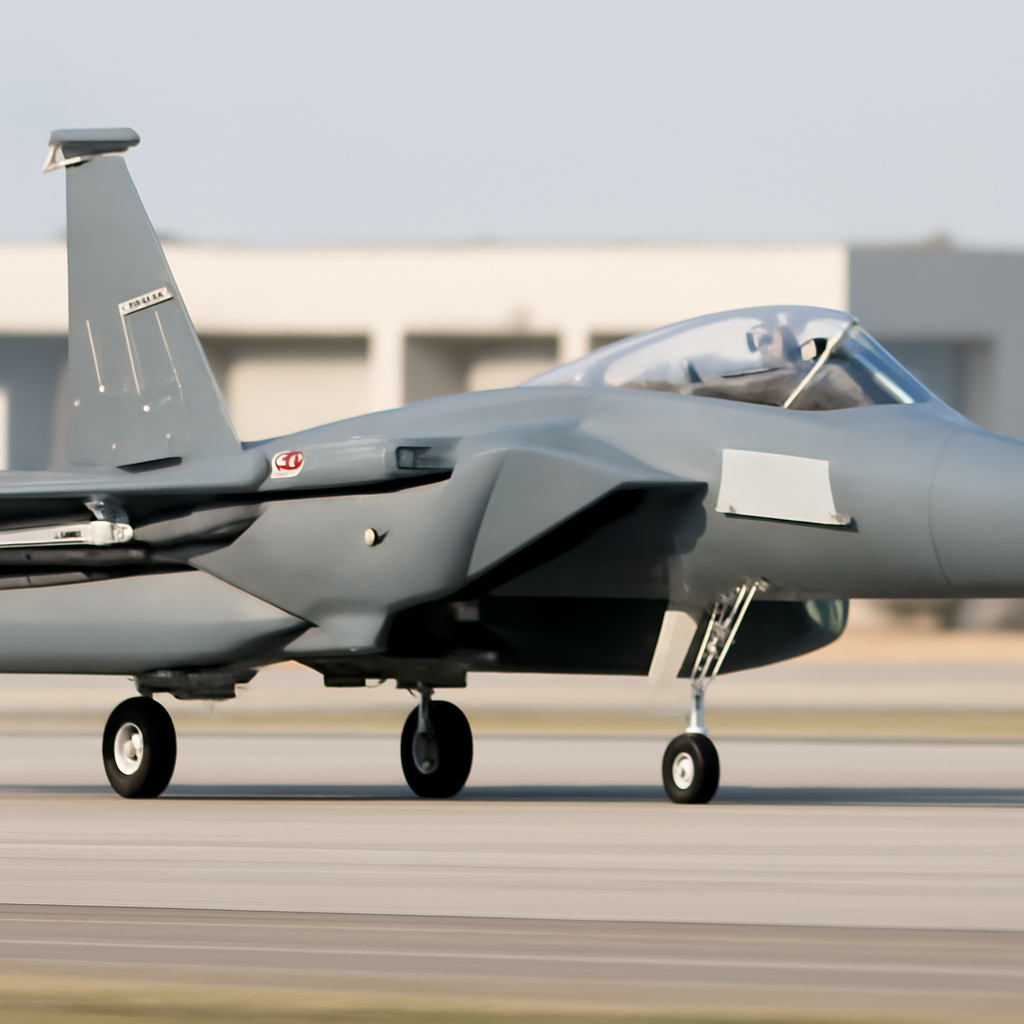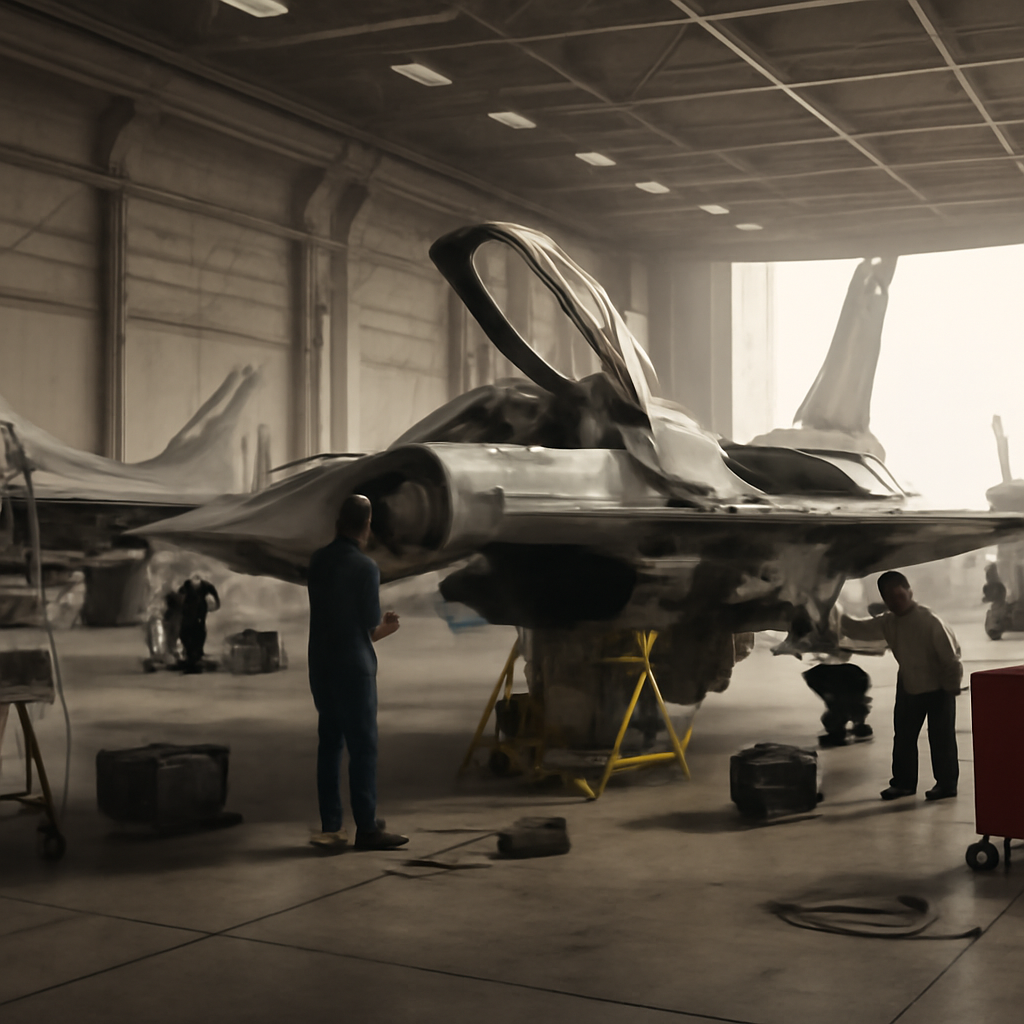
“maintenance limbo,” a Western source told The Wall Street Journal, describing the status of more than half of Ukraine’s F-16s — a single phrase that encapsulates a growing readiness crisis driven by hungry operational demands, shrinking missile stocks, and a strained maintenance pipeline.
Maintenance limbo and Belgian depot bottlenecks
The Wall Street Journal reported that a Western source described more than half of Ukraine’s F-16s as stuck in “maintenance limbo.” Open-source analysis cited in the reporting suggests Ukraine has received roughly 40–50 F-16s so far, with a portion held back for training in Europe and five confirmed combat losses. At current rates of operations and maintenance, that same Western source warned Ukraine could exhaust its remaining available aircraft by the end of the year.
Part of the problem is depot capacity. A U.S. Department of Defense contract awarded to Belgian firm Sabena Aerospace Engineering outlines a major American-backed maintenance effort — a contract with a ceiling of about $235.5 million to provide intermediate- and depot-level maintenance for Ukrainian F-16 aircraft and engines through January 2029, with roughly $69.7 million initially obligated. Yet turnaround times in Belgium are reportedly far longer than typical U.S. intervals: where a phase inspection might take two to six weeks in the United States, sources say comparable work in Belgium can take as long as 40 weeks once waiting for parts, scheduling and additional repairs are taken into account.
Ammunition pressure: AIM-9 Sidewinder, AIM-120 AMRAAM, and alternatives
Ukraine’s F-16s face another acute strain: diminished stocks of air-to-air missiles. The AIM-9 Sidewinder and AIM-120 AMRAAM have been heavily consumed against Russian cruise missiles and drones, and Ukrainian pilots have reportedly been rationing missile shots and turning increasingly to the M61 20mm cannon. Kyiv is negotiating for tens of thousands of additional 20mm rounds, the report said.
The same missile inventories support surface systems: AMRAAMs are used not only by F-16s but also by NASAMS ground-based air-defense units, while Sidewinders can be launched from both aircraft and surface platforms. The shared supply chain is therefore under stress from multiple demands; TWZ noted stocks of both AMRAAM and Sidewinder have been eroded by Ukrainian consumption and by combat actions in the Middle East.
Lower-cost effectors may help, but their status is uncertain. Ukrainian F-16s have reportedly carried laser-guided 70mm APKWS II rockets — a potential cheaper option for engaging long-range drones and subsonic cruise missiles — yet public evidence of widespread APKWS II use by Ukraine’s F-16s remains limited.

This site is the portfolio.
OSINTSights runs on Cloudflare Workers, D1, R2, and Vectorize, with an AI pipeline on Hetzner ARM. Nubivance designed, built, and operates it. We do the same for clients.
See what we buildOperational tempo: jet-powered drones, sortie rates, and airframe fatigue
The shift in the Russian aerial campaign is increasing demand on the F-16 fleet. The Wall Street Journal reported that Russia has launched roughly 2,000 jet-powered drones against Ukraine “this month,” compared with about 350 in June, and the newer jet drones can reportedly reach speeds up to 375 miles per hour, making crewed fighters more important for interception. TWZ noted that F-16s have become a critical component of Ukraine’s air-defense effort against these higher-speed threats.
Every additional sortie both consumes missiles and adds flight hours to aging airframes. The jets delivered to Ukraine are early-generation airframes upgraded to F-16AM/BM standard and have accumulated substantial hours and fatigue, increasing the frequency and scope of scheduled inspections. Using F-16s extensively against large numbers of relatively inexpensive targets creates a sustainment dilemma: the fighters perform the mission, but each engagement accelerates inspection cycles and parts consumption.
Sabena contract, spare parts, and the growing inventory requirement
The Pentagon contract with Sabena Aerospace Engineering signals the scale of support required: depot-level maintenance, engines and material-management support through January 2029, with an overall ceiling near $235.5 million and initial obligations of approximately $69.7 million. Yet adding more aircraft will also add demand for spares and depot slots. Belgium has said it will transfer three more F-16s to Ukraine before the end of the year, and Kyiv’s president stated those aircraft and “urgent deliveries of F-16 ammunition from Belgium and Spain” were being pursued through accelerated procedures.
Approximately 110 F-16s have been pledged by Belgium, Denmark, the Netherlands and Norway — further increases to the promised fleet that will expand capability but also amplify requirements for engines, parts, technicians and depot capacity.
What this means for the Ukrainian Air Force, Belgium, and Western suppliers
- The Ukrainian Air Force — Must balance immediate interception needs against aircraft availability: conserve missiles when possible, accept greater wear on airframes, and rely on depot rotations that can take months rather than weeks.
- Belgian maintenance providers and NATO logistics planners — Face near-term capacity decisions: expedite phase inspections where possible, expand parts throughput, or prioritize aircraft lines to avoid a prolonged dip in operational fighters.
- Western weapons suppliers and munitions stock managers — Will have to reconcile competing demands for AMRAAM and Sidewinder missiles across air and surface platforms, while managing secondary sourcing for lower-cost options such as APKWS II rockets and increased 20mm ammunition flows.
The facts as reported paint a narrow window: more aircraft pledged, yet a significant share tied up in lengthy depot cycles; missiles being rationed even as faster jet drones surge; and a multimillion-dollar maintenance contract running through 2029 that has not yet erased a bottleneck in turnaround times. The central question left on the table is operational: can the maintenance pipeline and munitions resupply scale quickly enough to sustain an F-16 force that is increasingly central to Ukraine’s air defense? The answer will shape both the coming months of aerial contest and the calculations of the nations supplying the jets.
https://www.twz.com/air/ukraines-f-16-fleet-is-in-a-readiness-crisis