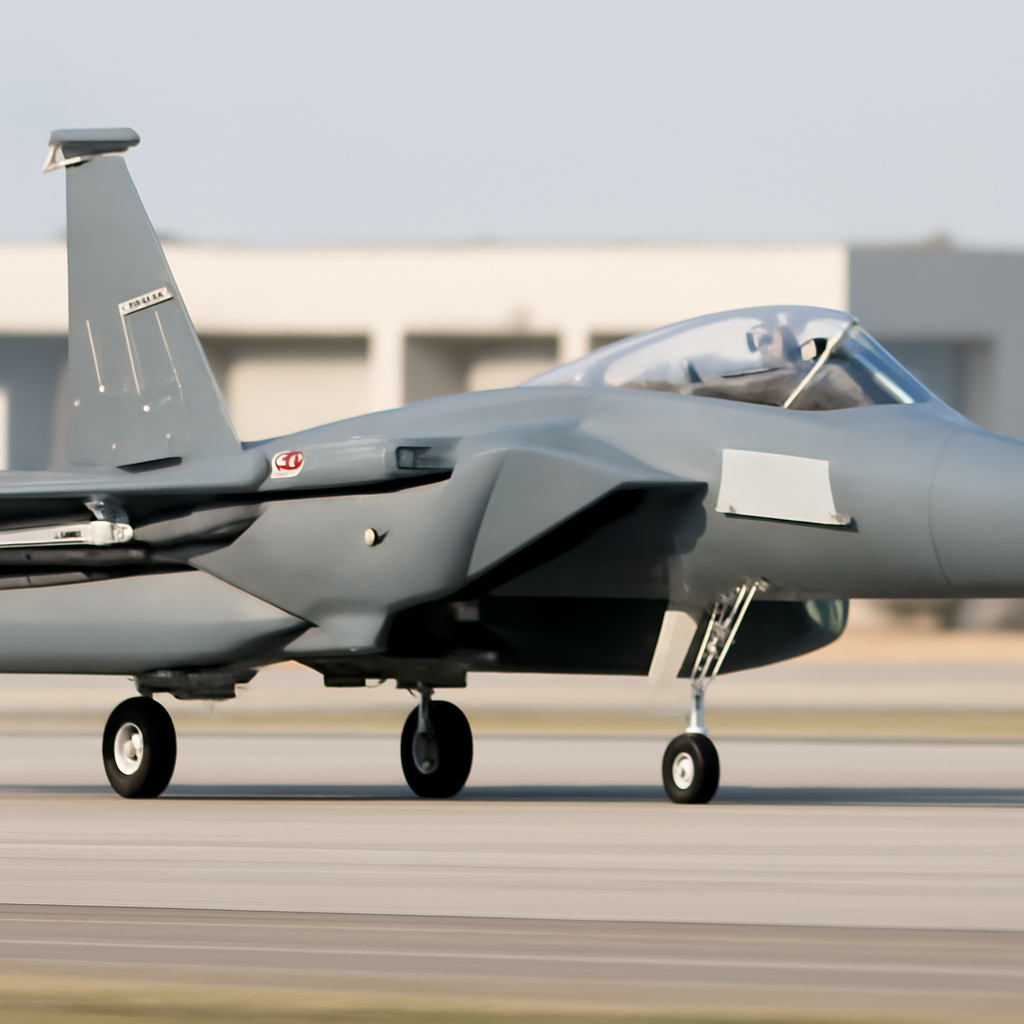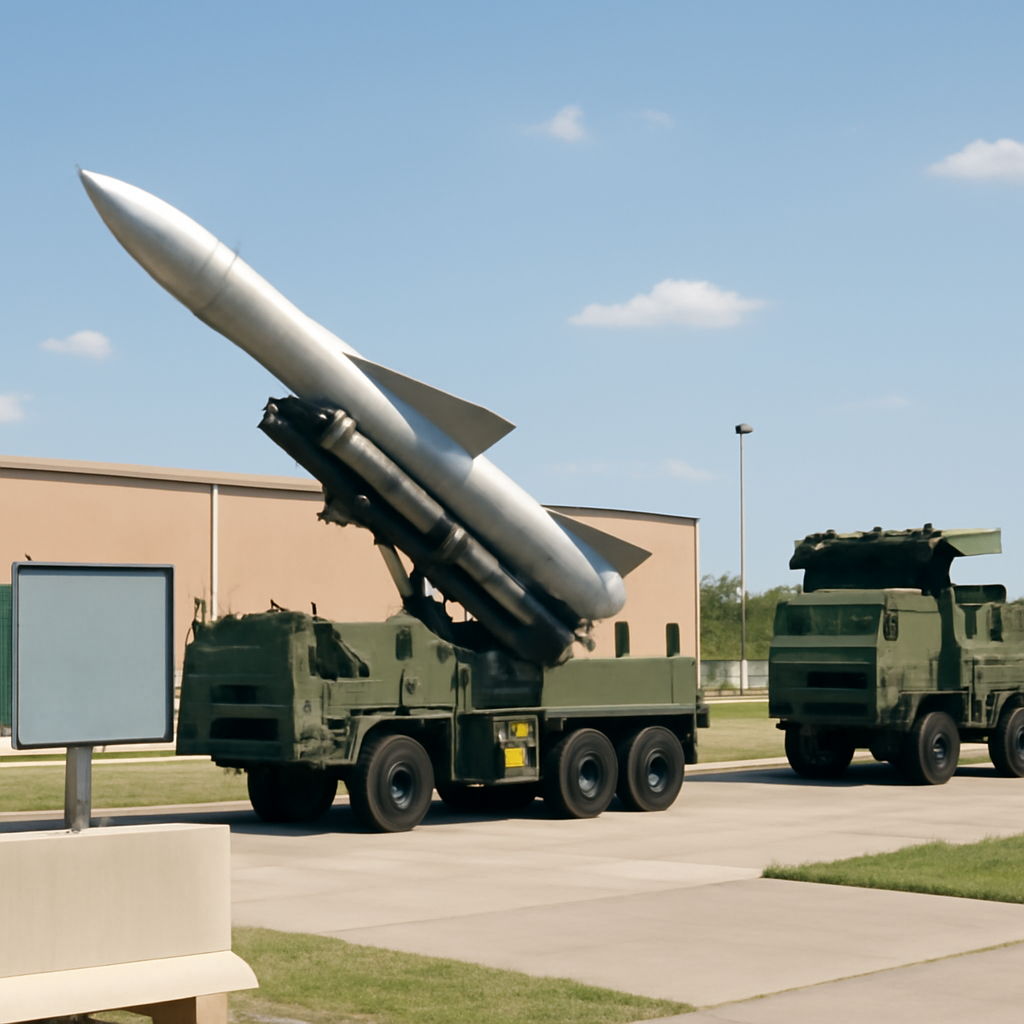
The Army’s planned Increment 4 Precision Strike Missile is to reach “at least 1,000 km (621 miles)” — roughly double the range of the PrSM baseline — as the service kicks off a restarted competition with five prototype teams, the service announced Tuesday.
Who the Army tapped: Anduril, Castelion, Lockheed Martin, RTX and Mach Industries
The Army awarded Other Transaction Authority (OTA) agreements to Anduril, Castelion, Lockheed Martin, RTX and Mach Industries to develop Increment 4 prototype missiles. Each company will build a prototype capable of launching from the M142 High Mobility Artillery Rocket System (HIMARS), the service said. The announcement did not disclose the value of the OTAs, and a spokesperson from Program Acquisition Executive (PAE) Fires did not respond to a request for comment by the time of publication.
Technical requirements: HIMARS launch, open systems, Indo‑Pacific operational scenario, and moving maritime/land targets
Per a solicitation posted in April by PAE Fires and restated in the announcement, the Increment 4 design must be launchable from HIMARS, adhere to an open systems architecture so new hardware and software can be integrated, and be able to operate “in the Indo‑Pacific consistent with the supplied operational scenario.” The missile is intended to engage moving maritime and land targets at ranges of at least 1,000 km, a step change in reach compared with prior PrSM increments.

This site is the portfolio.
OSINTSights runs on Cloudflare Workers, D1, R2, and Vectorize, with an AI pipeline on Hetzner ARM. Nubivance designed, built, and operates it. We do the same for clients.
See what we buildCompetition timeline: fly‑offs in fiscal 2027 and 2028, down‑select as late as fiscal 2030
The five vendors will take part in a competitive fly‑off in fiscal 2027, after which the Army will perform the program’s first down select, the service said. A final fly‑off is scheduled for fiscal 2028, and the solicitation indicates the final down select could occur in fiscal 2030. The Army reopened the Increment 4 competition when it posted the new solicitation in April; the program had earlier awarded work in 2023 to Lockheed Martin and an RTX‑Northrop Grumman team.
Recent testing and adjacent PrSM activity
Lockheed publicized a propulsion milestone in June after a testing event at one of L3Harris’ propulsion facilities. In a Lockheed press release, the company said the missile “demonstrated a flawless booster‑to‑ramjet handoff,” calling it a “pivotal advanced propulsion milestone.” Lockheed and its partners were set to begin conducting full flight tests “this fall,” the notice said.
The PrSM program is active across multiple increments: two weeks before the Increment 4 announcement the Army awarded Lockheed a $1.2 billion contract for an “early operational capability” PrSM Increment 2 system. That Increment 2 missile, equipped with a multimode seeker intended to hit moving maritime targets, is designed to travel up to 500 km (310.7 miles) in combat. Separately, the Army employed PrSM Increment 1 capabilities in combat in March during the on‑and‑off conflict in Iran, and subsequent reports indicated the United States had used “virtually all” of its PrSM systems.
What this means for the Army, the five vendors, and Indo‑Pacific planners
- The Army / PAE Fires: The program office is proceeding with a multi‑vendor OTA approach and a staged, flight‑test‑based down‑select that could extend to fiscal 2030; the office has not publicly disclosed OTA contract values and did not answer requests for comment referenced in the announcement.
- The five vendors: Anduril, Castelion, Lockheed Martin, RTX and Mach Industries will prepare prototypes for HIMARS launch, open systems integration, and operation against moving maritime and land targets in an Indo‑Pacific scenario; several vendors did not respond to requests for comment, and the article was later updated on 9/30/2026 with a comment from RTX.
- Indo‑Pacific operational planners: The stated requirement that Increment 4 function “in the Indo‑Pacific consistent with the supplied operational scenario” signals focus on long‑range maritime and littoral engagements; planners will track the FY2027 and FY2028 fly‑offs and the maturation of propulsion and seeker technologies that Lockheed and others are testing.
The Army’s announcement sets a clear technical and schedule path but leaves open key program questions documented in the record: the OTA dollar values, whether and how the 2023 awards to Lockheed and the RTX‑Northrop Grumman team carried forward into the new OTAs, and which prototype will survive the FY2027 and FY2028 fly‑offs toward the potential FY2030 final down‑select. The next firm milestone in the public record is the competitive fly‑off scheduled for fiscal 2027.